by Lucy | Feb 7, 2019 | Nutrition Questions Answered
Did you know approximately 1 in 5 of American’s have IBS and 40% of the population is living with a chronic condition?
This is a good reason to be nice to ourselves and nice to others because we don’t know what they are going through. It can be especially challenging to know how to eat well while traveling.
In January, Kristen and I went on our first international Well Balanced adventure to Costa Rica! It was an incredible trip coordinated by our new friend, Amanda Chay, with Wonderment. Needless to say, we had a lot of new experiences such as repelling down the side of the canyon into surprisingly cold water and discovering my new obsession with papaya!
As many of you know, I (Lucy), have been managing and coping with IBS for several years now. Click here to learn more. Anyway, whenever I travel, I get a little extra anxious around the lack of control regarding my food choices. In our small group of seven, we had 80% of the meals preplanned and catered to us. Normally, this sounds like a dream come true! However, when you have food sensitivities it can be more like a nightmare.
How I stay routine and regular
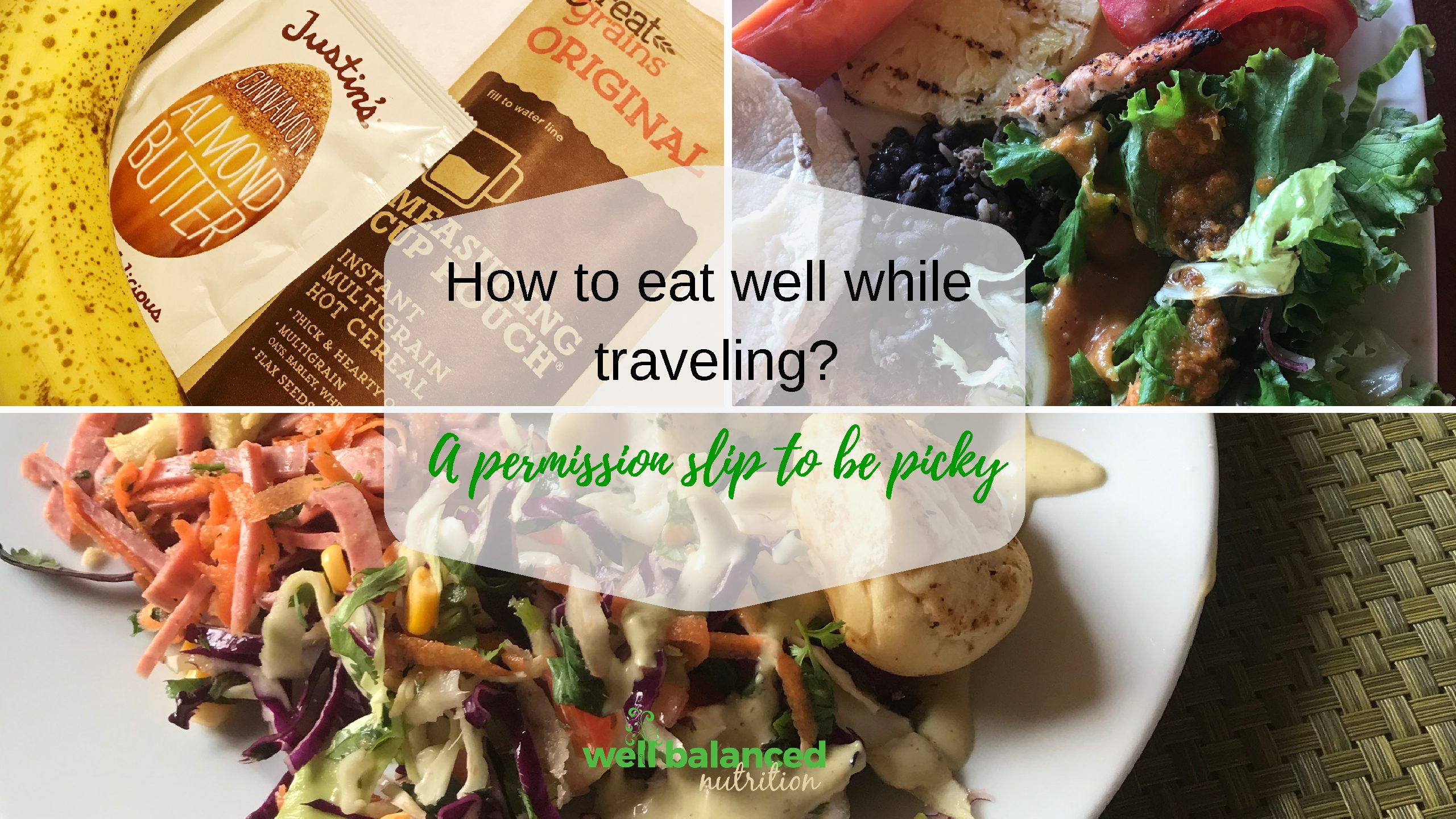
On our first morning in San Jose, Costa Rica, while I scooped up a small bowl of oatmeal my fiancé told our tour guide leader, Amanda, that oatmeal is a daily ritual of mine. She laughed and said, “well you can enjoy a break from that because I don’t have oatmeal on the menu for our breakfasts this week.” I laughed, I looked at Andrew and said, “isn’t she so funny?“ What Amanda did not know is I had packed six portable oatmeal packets and mini almond and peanut butter packets in order to continue my routine, which helps keep other things routine (*wink *wink).
So often, while talking about setting up healthy habits and sticking with them I hear clients say “but I don’t want to be picky or difficult.” For instance, if someone has a digestive and sinus issues they may greatly benefit by going dairy-free; however, when going to a friends house or out to eat they decide to just be polite and eat all the things despite knowing the negative effects of eating dairy products.
Change takes effort at first
Two years ago, when I did the big IBS elimination diet, I found my brain consumed thinking about “what am I going to eat at my next meal??” We’ve learned between 80 to 95% of everything we do is subconscious – think about last time you took a shower… did you think about every move you made? It takes time and energy to make conscious changes to our dietary choices, but it is possible. First, we must become aware of what and why we want to change. Then, we can make a plan and take action.
It doesn’t take that long to start feeling a little better and for your brain to pick up on new habits if you stay consistent. Some people will tell you it’s only 21 days; however, we learned from the book Better Than Before by Gretchen Rubin that on average new habits take about 66 days.
Your permission slip…
If you’re in the midst of making dietary and lifestyle changes or you already know what works for you, remember it’s OK to be picky and know that on occasion we might slip up and put cheese on the salad with ranch dressing because after all, we are human.
If you’re ready to feel better and determine which foods may be triggering inflammation and pain in your body, let’s chat.

by Lucy | Dec 15, 2018 | Well Balanced Wisdom
If you’re wondering, “how can I be healthy through the holidays?” You came to the right place! Today we are bringing you three steps to staying healthy this holiday season.
Step 1: Decide how you want to feel now and on January 1st.
The holidays are full of opportunities to savor food, friends, and fun. Be in the moment and enjoy what matters to you. But don’t forget about your future self. Do you want to wake up the next day feeling bloated and tired? Do you want to wake up in the New Year feeling like you have to start a diet or detox program?
Instead, grab a journal or scrap piece of paper and decide how you want to feel through the holidays and on January 1st. Maybe you want to feel energized, healthy, joyful, confident, or empowered. By writing it down, you direct your inner compass to make intentional choices all season long. Think about what matters most to you this holiday season, savor and enjoy that and let the rest go. Sharing time with loved ones baking cookies may be a cherished activity, but the store-bought cookies at a work party with a lot less meaning may be easy to pass up if you think about it.
Step 2: Know your triggers!
These are the foods, situations, or a time of day that we tend to make our least healthy choices. Have you noticed you crave a sweet treat around 3 PM or 9 PM? That could be a trigger time of day. Or every time you walk by the break room, there seems to be another holiday goodie sitting out, and your brain says, “just one bite won’t hurt!“ These situations may be a trigger for you.
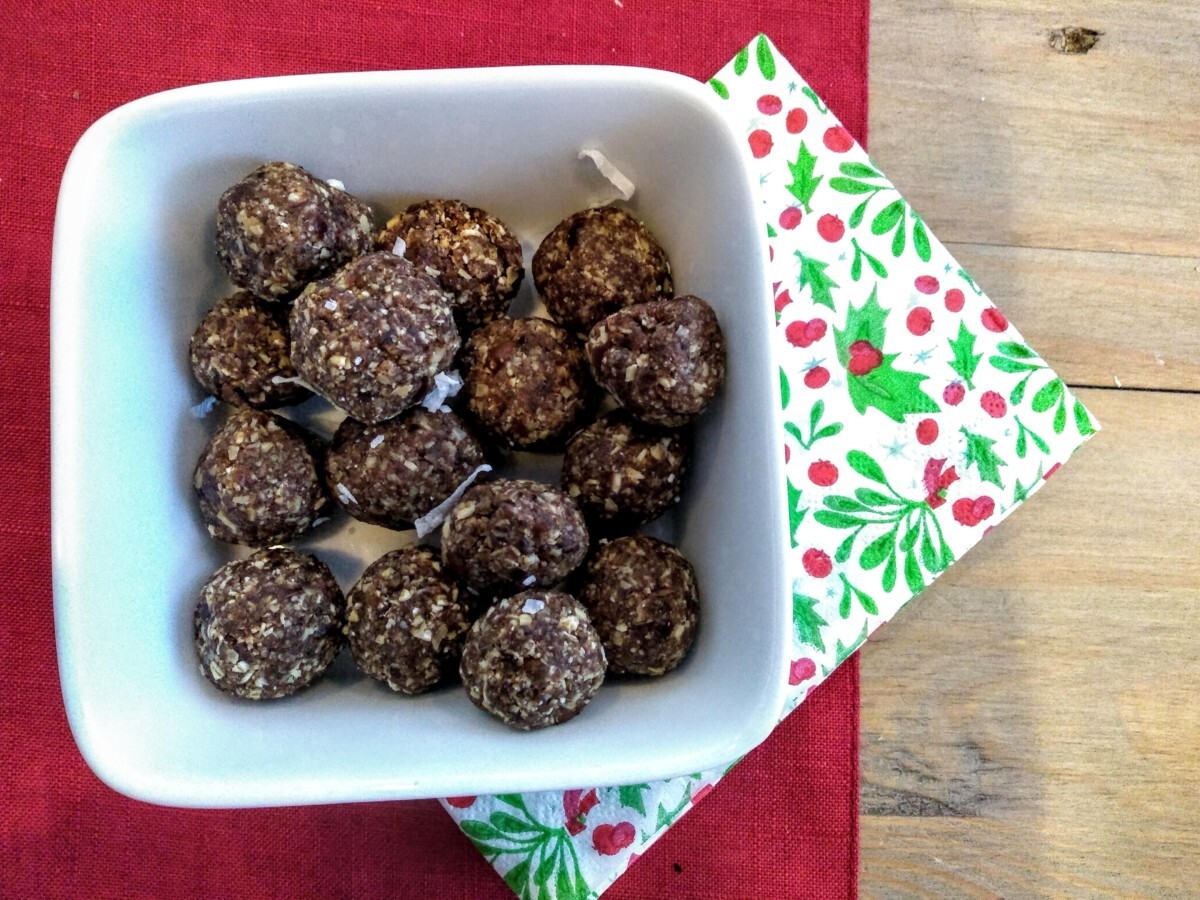
After you’ve determined what triggers your not-so-healthy choices, you can start to set yourself up for success by finding better afternoon or bedtime treats, such as these yummy gingerbread bites or a piece of fruit with nut butter. Also, consider the occasional permission slip. That’s the permission to enjoy that special treat as long as you do so mindfully and sitting at a table (versus hiding in the pantry eating cookies – yea, we’ve been there too!).
This may seem obvious, but it’s easy to get out of a healthy routine during the holiday season. That means continuing to eat regular meals and snacks if snacks are a part of your routine. Skipping meals increases our stress hormone levels, causes us to make poor food choices, and sometimes leads to overeating at the next meal.
Well-Balanced Day:
Breakfast: 1 small baked sweet potato + 2 scrambled eggs + 1/4 to 1/2 avocado
Lunch: 1 cup vegetable soup + 4-6 oz roasted chicken + 1 whole grain roll
Snack: a handful of cashews
Dinner: Spaghetti squash + sautéed onion and peppers + turkey sausage
Snack: 2 dates + 1 Tbsp. your favorite nutbutter
Food for thought:
Which step do you need to focus on to feel GREAT in the new year?
Need help getting started? We’re happy to chat and help you reach your health and wellness goals. Click here to talk to your friendly dietitians!
by Lucy | Dec 13, 2018 | Recipes and Meal Ideas
- 1/4 cup organic oats
- 1/4 cup almond flour
- 1 tsp pumpkin pie spice
- 1 tsp ground ginger
- 1/4 tsp salt
- 1/2 tsp vanilla extract
- 1 cup dates pitted
- 1/4 cup coconut flakes optional
Mix all ingredients, minus dates, into a food processor and blend into a fine flour consistency.
Add 1/2 dates* into food processor and chop until thoroughly combined. Repeat with remaining dates until mixture becomes like a thick dough. *Add water, as needed, for a sticky dough-like texture
Form dough into bite size balls. Sprinkle with coconut flakes (optional) and serve.
Store leftovers in air-tight container in the refrigerator for up to 10 days.
by Lucy | Dec 13, 2018 | Recipes and Meal Ideas
- 1 small bunch green grapes
- 1-2 ripe bananas
- 1 pint strawberries
- Yogurt raisins or mini marshmallows
- Toothpicks
Prepare ingredients:
Wash & remove grapes from the stem.
Slice banana into 1/4 inch round slices.
Wash strawberries and remove the green top.
To assemble:
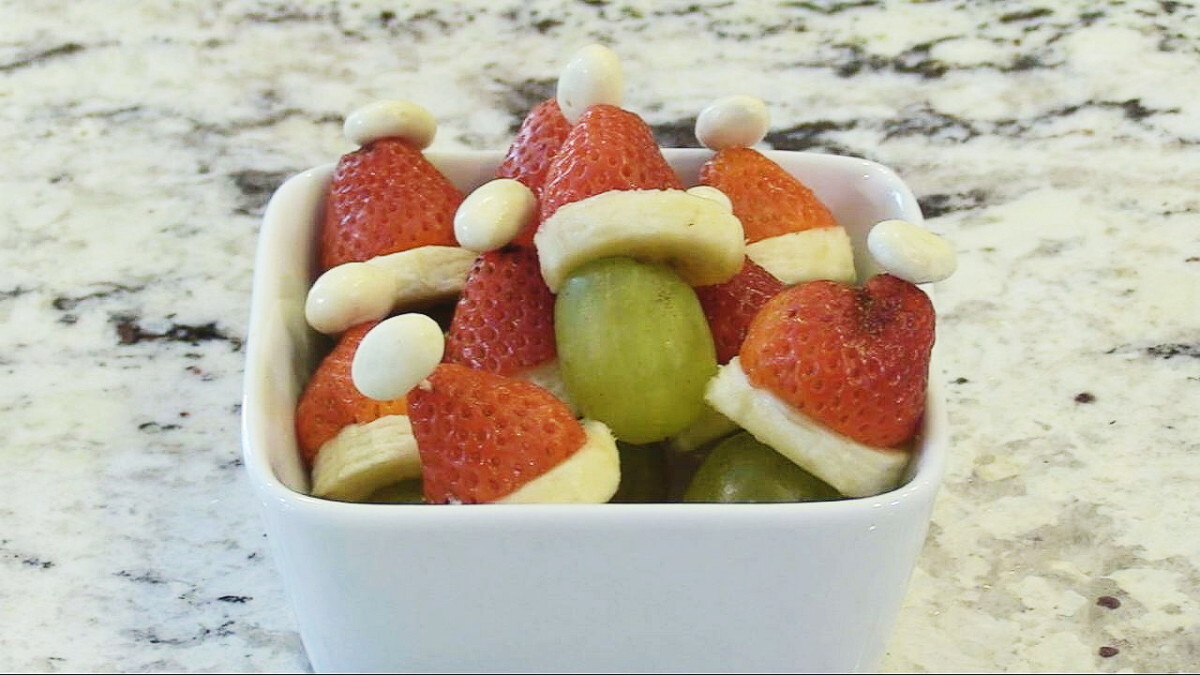
Start by sticking 1 yogurt raisin on the tip of the toothpick
Next slide the strawberry on the toothpick (top faced down)
Then add 1 banana slice
Finally, add the green grape to complete the Grinch.
Enjoy with friends or family at your next holiday party!
by Lucy | Nov 29, 2018 | Nutrition Questions Answered, Well Balanced Wisdom
You know how there’s a new diet or nutrition news article coming out every day?! It’s overwhelming and confusing for most people – especially those of us trying to be healthy and make better choices.
For many people, diet is a 4-letter word (literally and figuratively!) that makes one shutter and recoil. Here’s the thing, diet is simply the kind of foods a person eats habitually. It’s often shaped by our culture, environment, and upbringing, which may explain why some of us struggle to make healthier choices.
At Well Balanced Nutrition, Kristen and Lucy make it their mission to stay informed and up-to-date about the plethora of information on nutrition and wellness.
It’s important to remember that each human body, while similar in many ways, is also vastly different in our chemical makeup, including how we metabolize foods, how our bodies respond to stress, and so forth. It’s personal and each of us may require different strategies on the journey.
The Diet Spectrum
To bring more clarity to this conversation, we created a visual guide to help individuals figure out where they are on the spectrum.

On the left, we have our “highly structured” eaters. This includes individuals strictly following a diet, such as Whole30, Paleo, gluten-free, etc. This is not including the 2-week crash diets, but more long-term.
Next, on the far right we have the our “loosey goosey” eaters. On this end, there is almost no structure, boundaries or plan around what someone is eating each day.
In the middle, you find balance. This does not mean someone on a gluten-free diet for medical purposes needs to start eating wheat bread to be balanced. It’s simply a tool to check in and determine where you are on the spectrum.
Where are you on the Diet Spectrum?
Do you find yourself planning what you are going to eat each day before you get hungry? Or are you waiting to decide what you want in the moment day-by-day or meal-by-meal?
To become highly structured may be useful for setting new habits. Sometimes pressing the reset button with a highly structured diet plan can change how we think about or relate to food.
The question is, what do you need to change to create more balance in your diet? For some it may include more boundaries. Yet for others it may include a permission slip to eat off the plan every so often.
Eating balanced feels different for each of us. Letting go of the shame means embracing our slip ups and planning to do better next time.
Food for thought
As you go throughout your day or week, ask yourself is this choice Well Balanced? We find it most helpful to plan ahead! That way the decision is made before we get bombarded with too many choices.
Do you want to find more balance in your diet and lifestyle? Let’s chat!