Sally was feeling sluggish and exhausted all day long. No matter how healthy she was eating, she always felt hungry, craved sweets and even experienced shakiness in between meals. It was frustrating, to say the least.
What could possibly be going wrong? A closer look at her diet and it became clear that her healthy eating patterns were full of unwanted sugars and sometimes lacking in healthy fats. She didn’t realize it but added sugars were in almost everything she was eating. Foods that seemed healthy on the surface were actually not very nourishing and she lacked balance at her meals. After cleaning up her habits a bit and focusing on more natural foods she was feeling more sustained and her cravings were significantly decreased.
Your turn. Are you ready to clean up your eating environment? Spring is when we tend to open our windows at home, clean out all the dust and clutter from the colder months and welcome in fresh air, good energy and sunshine. Below is a checklist of things you can do to clean up your eating habits and food environment, starting with your pantry and countertops. Pick one or check them all off, it’s up to you!
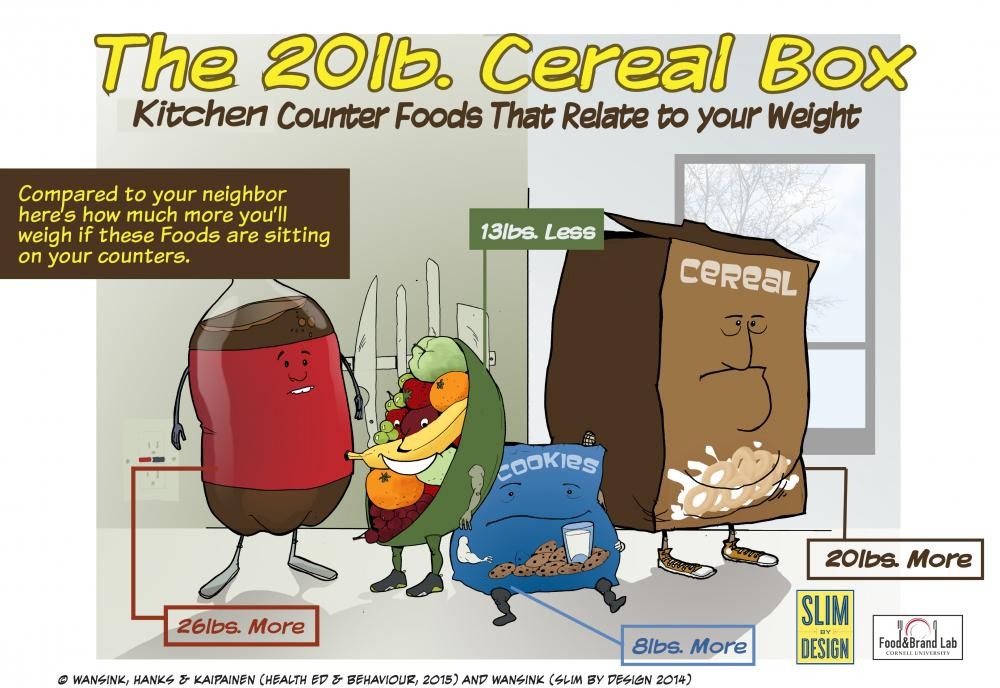
Ditch the cereal and switch things up with an egg and veggie omelet, our high protein cookies or a Greek yogurt parfait. Protein is just as important at breakfast as it is at dinnertime. We should evenly distribute our protein intake throughout the day instead of overloading at our last meal. Cereals just don’t have much protein to offer and often contain lots of sugar. If you need more convincing, a Cornell study found that women who had breakfast cereal sitting on their counters weighed 20-lbs more than their neighbors who didn’t. At very minimum, keep your cereal tucked away in your pantry. Use it to make a fun trail mix or as an afternoon treat.
Find at least 2 foods in your pantry (or fridge) with added sugars and seek alternatives to these products. Start checking the ingredient lists on your foods and you will soon realize that sugar, much like salt, is added to just about everything. Some surprising places you will find sugar is in your pasta sauce, mustard, mayonnaise, barbecue sauce, fat-free salad dressings, and canned beans. Added sugars are also abundant in yogurt and whole grain products. Women should keep their added calories to 6 teaspoons or 25 grams per day.** If we aren’t careful all those little doses from unsuspecting places can add up! Then we won’t have room for a teaspoon in our coffee or a piece of dark chocolate. (GASP!) We don’t want to miss out on that, now do we?
Keep your favorite junk foods out of the house or at least hard to reach. Out of sight, out of “stomach.” There are certain foods that we tend to overeat, especially when stress hits. These foods are different for everyone. You might not be able to resist ice cream, while someone else may be more tempted by a bag of potato chips. Whatever foods seem to tempt you the most, should be the ones you keep out of the house. These foods aren’t forbidden, we just don’t want to make them readily available and convenient. But what if you have hungry kids or unwilling family members? Keep all tempting snacks in a hard to reach, inconvenient cabinet – not at eye level. Wrap items in the freezer, like ice cream, in aluminum foil. They will be less tempting when you can’t see the package.
Only keep 1-2 sodas in your fridge at one time and make water easily accessible. Occasionally, a sweet drink is fine but when you are doing it regularly you are putting yourself at risk for health concerns and sugar crashes. To cut back keep sodas off your counter and only one or two in your fridge at a time. In the same study mentioned above, those with soft drinks sitting out on their counter weighed 24 to 26-lbs more than those who didn’t.
To end on a positive note: those who had fruit on their counter weighed LESS and likely ate more fruit. So, clear off those countertops, hide the junk and put the nourishing fruit on display!
It’s all about setting yourself up for well-balanced success. Bring on the good energy and life-sustaining eating habits! Happy cleaning!
Food For Thought: Will any of these spring cleaning tasks work for you? Why or why not? Which one(s) will you try today? Comment below.
*These suggestions are based off research from Brian Wansink, author of Slim By Design. Check it out!
**The American Heart Association recommends reductions in the intake of added sugars. A prudent upper limit of intake is half of the discretionary calorie allowance, which for most American women is no more than 100 calories per day and for most American men is no more than 150 calories per day from added sugars.
I love eggs for breakfast. With just the right amount of protein and fat, they are satisfying and delicious until… the burnout. Have you ever grown tired of eggs? What about your family? Maybe you make a not-so-great batch of eggs one morning and your 4-year-old then declares that she no longer likes eggs. Sigh. Only later in the week to request that I make eggs like Denny’s does. Haha. Denny’s eggs coming right up! Okay, so maybe that only happens to me…
Anyhow, burnout happens. I hear from the tribe that you need more ideas. Great news! I’ve got the perfect alternative. These protein-rich pumpkin cookies have 8g of protein, 4g of fiber and only 2g of added sugar. They are made from real food ingredients and do not contain gluten, artificial sweeteners or protein powder. You can’t beat that. See complete NUTRITION FACTS here.
Great for little kids. Just one cookie will meet nearly the entire day’s worth of protein needs for your little one (based on myplate servings). It is also extremely rich in iron, an important nutrient for this age group. Not to mention you’re squeezing in a tiny serving of vegetables without them noticing. Blending the pumpkin seeds and the oats really helps make these a kid-friendly texture.
Great for big kids. This can be an on-the-go breakfast or after school snack. Would also be great for replenishing after a sports game or practice.
Great for adults. Use it as an afternoon pick-me up, a breakfast paired with fruit, or a post-workout snack when you have a really strenuous session.
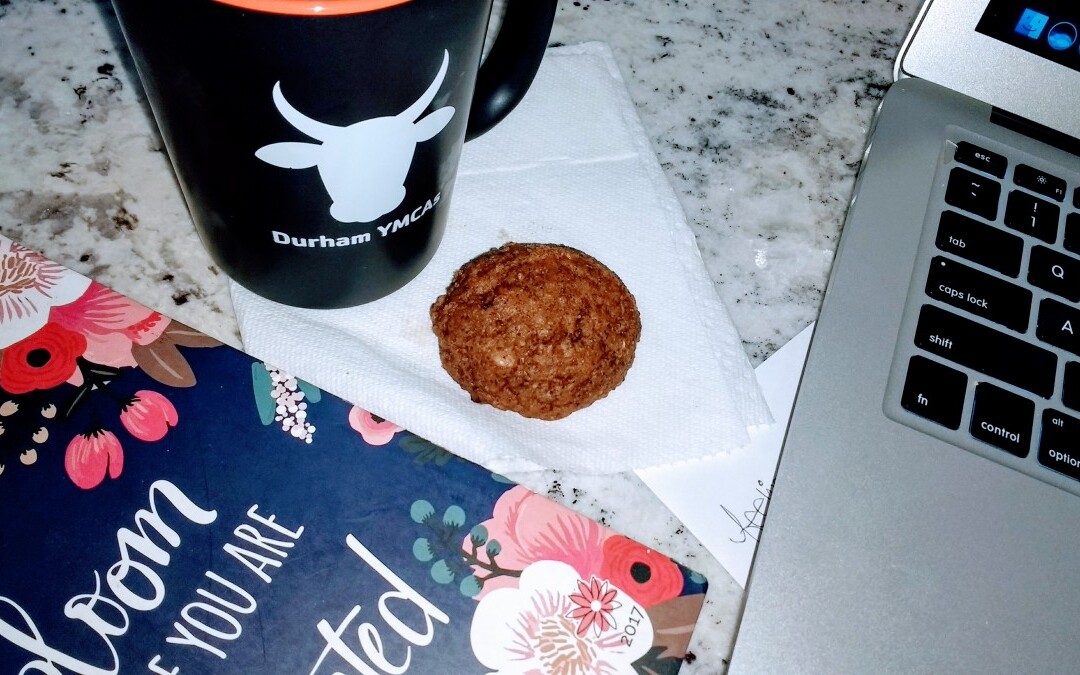
They are light, fluffy and will resemble more of a muffin top than a cookie. I’ve been enjoying them with my morning coffee and they hold me over very well. How will you enjoy them? As a breakfast or a snack? Both?
Kristen Norton, RD, LDN
Protein-Rich Pumpkin Cookies
These cookies pack in protein, iron, vitamin A and fiber - all from real, natural foods! Enjoy for breakfast or snack.
1/4cupoat flourto make throw old fashioned oats into the food processor
1/4cupRaisins
1tspbaking soda
Method
In a small bowl, beat the pumpkin and almond butter using a hand-held mixer until smooth. Add eggs and mix well. Mix in the vanilla, cinnamon, nutmeg, maple syrup, and chia seeds. Add baking soda, oat flour and pumpkin seed powder mix until combine. Fold in raisins.
Scoop onto lined cookie sheet making 12 large cookies.
Bake at 375 for 10-12 minutes.
Notes
You can leave pumpkin seeds whole or blend them in a blender or food processor to form a flour.
To make oat flour: blend old fashioned oats in a blender or food processor until a flour consistency is reached. This recipe was modified from a recipe by The Lean Green Bean. http://www.theleangreenbean.com/sweet-potato-protein-cookies/
Q: Why did the chicken cross the road?
A: Because it was free range.
Hearing about people’s diets is one of my favorite parts of being a dietitian. I sure do hear about a lot of baked chicken! Of course, people tend to highlight what they consider to be the healthy parts of their diet when talking to me because they may think, “what would a dietitian want to hear?”
Perhaps, everyone is eating pounds and pounds of baked chicken every week?! If that’s you, and you are ready to eat something else, I have great news. There are a plethora of other healthy proteins besides the boneless skinless baked chicken breast. If you want to stick with chicken, that is your choice. After all, I really enjoy sardines.
Anyhow, for those of you looking for fun, delicious, simple, and well-balanced protein options that don’t include baked chicken, keep reading.
At Well Balanced Nutrition, we strongly encourage incorporating protein with every meal. Ideally, we recommend a happy and healthy protein source such as organically fed and free-range poultry and grass-fed locally raised beef or other meat. You might be thinking “oh my gosh, that stuff is so expensive!” It’s true. The good news is the protein should only be 1/4 of your plate. Ultimately, the price will even out because the rest of your plate will be covered with those yummy fruits, vegetables, healthy fats, and complex carbohydrates .
It’s rare that I meet someone who doesn’t have a sweet tooth. Some of us struggle more than others with sweet cravings. How do we choose to indulge our sweet tooth (or not to) in a healthy way? Here are four mindfulness strategies:
Mindful Pause
Oftentimes, we crave sweets because of some underlying thought or emotion that drives a desire for something comforting. When the craving hits, taking a mindful pause allows us to become aware of our emotions, senses, and actions. We may be frustrated, stressed, tired, or bored and looking to escape those uncomfortable feelings. Unfortunately, we all know those feelings won’t disappear by eating chocolate (although that would be awesome!). Yet our brain seems to think it will work every time. A little mindfulness and a full toolbox of ways to soothe yourself without food can go a long way when it comes to managing that sweet tooth.
Sort Through the Craving
Ask yourself, do I really want this, or is my primitive brain just craving it because it’s there, free, tempting, etc? If we always follow that primitive drive to indulge, we could end up far from our goals. Having a way to sort through a craving can help. I like to ask myself questions to gather more information. How bad do I really want this? Willt his craving pass pretty quickly? Is this craving for something special and unique? Does this help me meet my needs? Is it going to make me feel good or lousy? Is the experience going to be worth it? For instance, the candy from a jar at work… although delicious, probably not very special. I might devour it as I walk to the water jug without actually experiencing it. But a melt-in-your-mouth s’more when you are on a family camping trip or a decadent homemade pie you only get once a year around the holidays that you sit down to savor with people who mean the world to you… those are the kind of treats that I call worth it. Simply putting a little thought into your decision can help you decide to pass or go on a sweet treat.
Give Yourself Permission
When food is off-limits, it gains power. It’s always your choice to honor a craving or ride it out and let it pass. When you take a mindful pause and sort through it, you can then consciously ask yourself if you still want that food. Give yourself permission to say yes without any judgemental thoughts (like I’m being bad or I’m cheating). Once you do, ironically, it will be much easier to say no if you want to.
Love What You Eat
Cravings can come on for various reasons, but being too restrictive or eating bland food can definitely trigger more cravings. If you aren’t enjoying your food, maybe it’s time to look at how to put more joy and flavor onto your plate. This is different for everyone. Perhaps this means adding a bit of honey and cocoa powder into your morning smoothie, making a flavorful sauce to go on top of your meat and roasted veggies, or ending your meal with fruit or, dare I say, chocolate sometimes!
Fruit, Vegetables and Chocolate
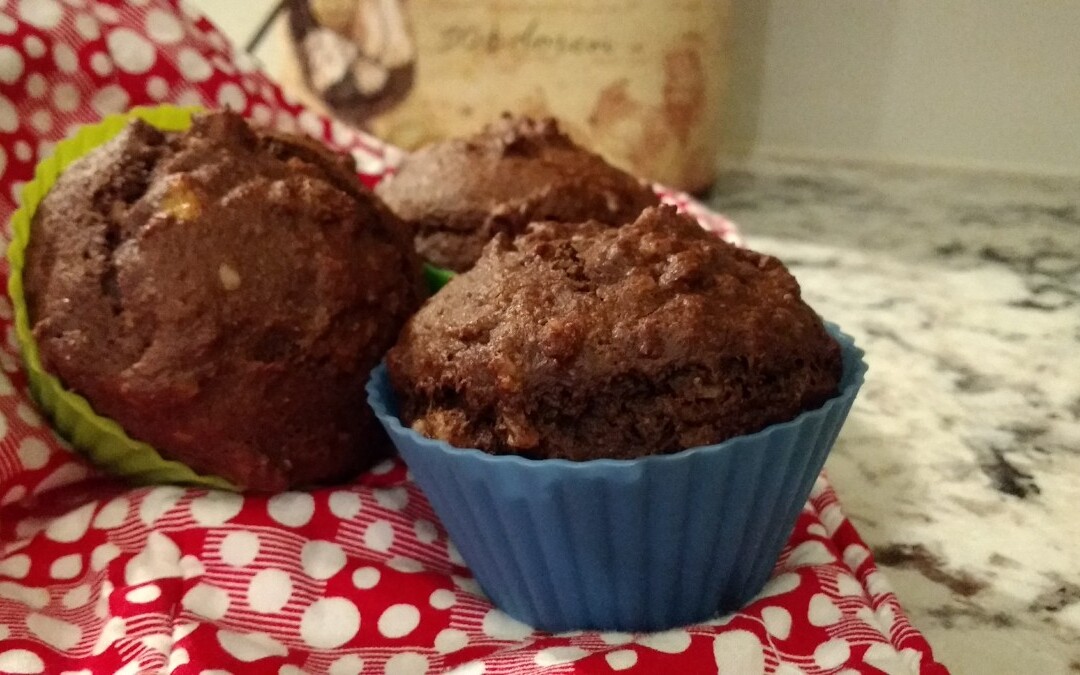
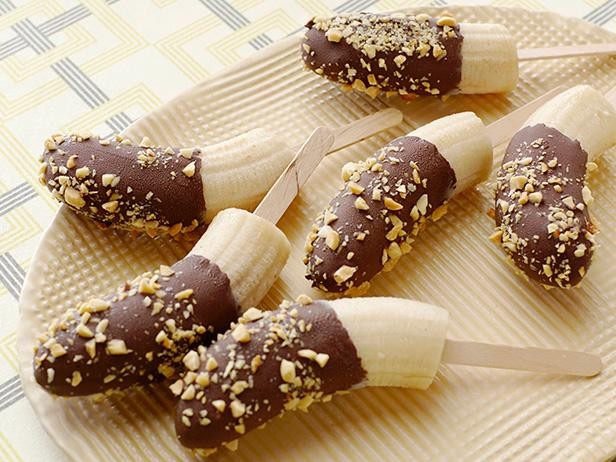
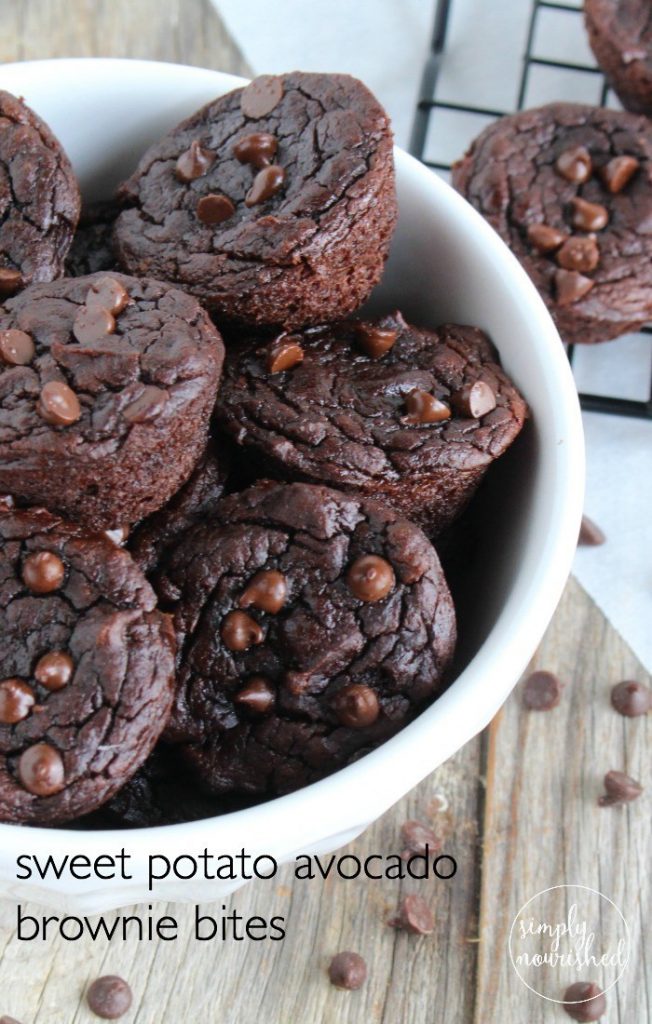
Incorporate some delicious AND nutritious treats in your routine for a more satisfying daily diet. Dietitians really have a knack for combining healthier ingredients like fruits and vegetables with their chocolate! So, in honor of #NationalNutritionMonth, here I highlight some tasty treats packed with healthy perks from real, quality food ingredients, including my own recipe for Chocolate Banana Nut Muffins.
“An ooey-gooey fudgy brownie bite filled with healthy fats and chocolaty goodness.”
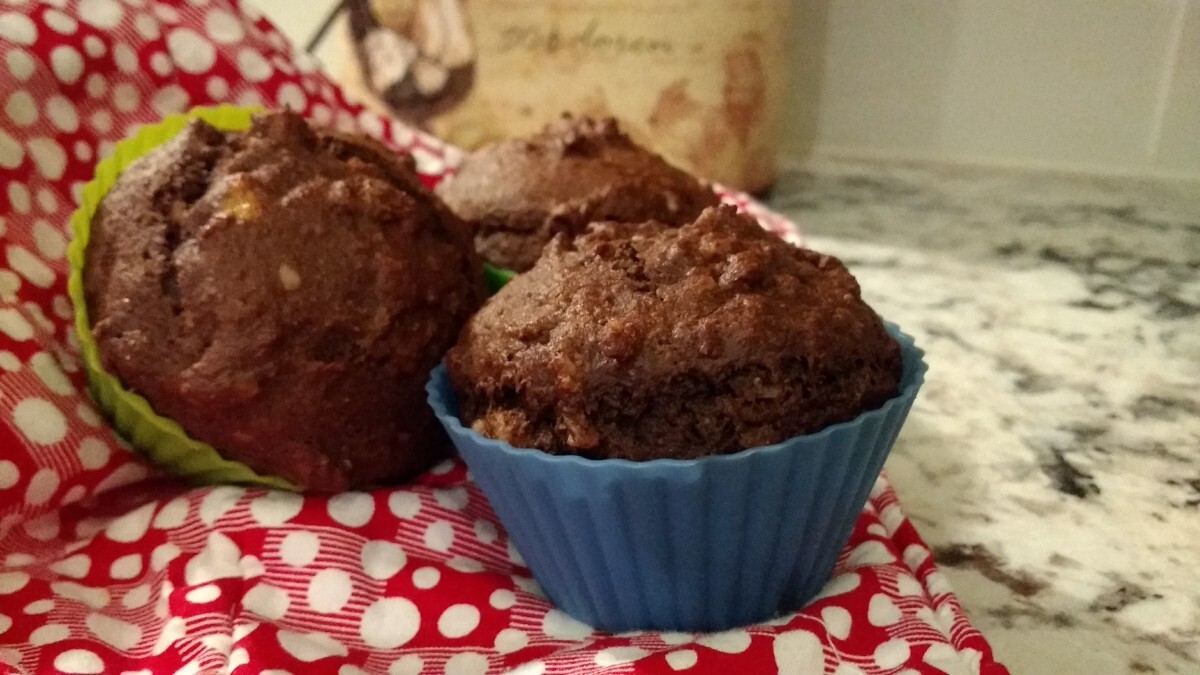
And here is my latest creation. I had bananas that were past their prime so I baked these chocolate muffins. They aren’t overly sweet so they made a good breakfast or snack. But if you wanted to dial up the sweetness a notch, just add your favorite chocolate chips and/or try adding some whipped cream cheese icing and voila! Your muffin is more like a cupcake!
Kristen Norton, RD, LDN
Chocolate Banana Nut Muffins
These muffins are a delicious for breakfast, snack or dessert. Each muffin has 3 grams of protein and 3 grams of fiber. Add healthy fats with optional walnuts or bump up the fun factor with some dark chocolate chips.
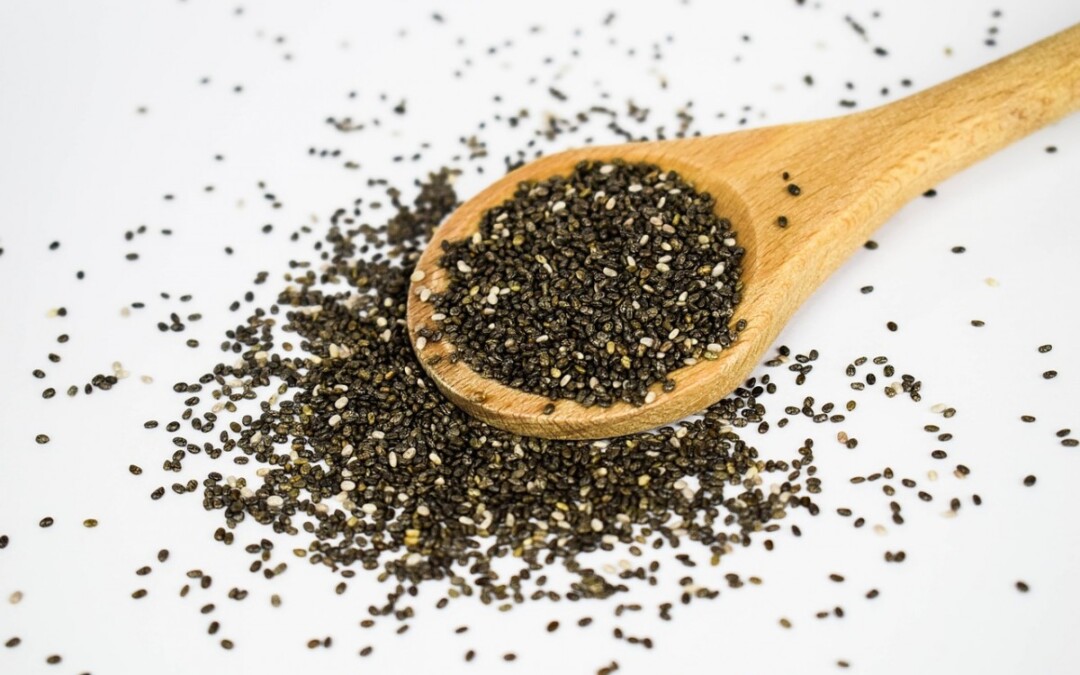
How in the world did we go from using chia seeds to grow green “fur” on Chia Pets to eating the seeds as a health food? Is this hype or are chia seeds really a health food?
In history, Mayan and Aztec cultures consumed chia seeds for their supernatural powers. I don’t know about supernatural powers, but I can speak for their nutritional power. They are small and mighty! Just one tablespoon of chia seeds pack in 6 grams of fiber, 3 grams of protein, and 5 grams of fat (much of which is Omega-3)… all for only 80 calories. WOW!
Why are fiber, protein, and omega-3 fat good for us?
The right kind of fiber – found in foods like Chia Seeds, supports our body’s waste removal systems. Dietary fiber can increase the size and weight of our poop! It can even soften stool. Chia Seeds are a healthy and natural fiber that can help you have healthy bowel movements regularly.
Protein is an essential part of a balanced diet because it provides the body with the building block, or amino acids, that are necessary for muscle and bone health and development. Having a tablespoon of Chia Seeds is a great way to get a dose of protein in a salad or a sandwich that may be lacking in protein. The average American should eat between 25 and 45 grams of protein each meal- depending on activity level.
Lastly, Omega-3 fatty acids are essential nutrients for heart health! We need to protect our cardiovascular system and Chia Seeds provide a great source for Omega 3s that don’t taste like fish. Is anyone else over the fish oil burps? Get the Omega 3s you need and check the fish oil at the door. Omega 3s reduce blood pressure and triglycerides that can cause heart disease or strokes. I’ll take the tablespoon of chia seeds with that, please!
Let’s shine the light a little brighter on these nutrition qualities:
Chia contains soluble and insoluble fiber- making them a great aid for maintaining a healthy cholesterol level and digestive tract.
Chia seeds contain 3 grams of complete protein – meaning they contain all the essential amino acids. Three grams of protein may seem like a small amount but pair it with the 4g of protein in a tablespoon of almond butter or 1/2 cup of milk and you now have more protein than a large egg.
Chia seeds have an impressive amount of calcium as well!
Wait, there’s more! The dry seeds deliver more antioxidants than blueberries.
First of all, what are antioxidants? We hear antioxidants a lot in today’s diet news but what do they really do?
Antioxidants are compounds that inhibit oxidation – which is a chemical reaction that can produce free radicals in the body. Free radicals have been associated with Cancer because they cause damage to cells in our body over time. Antioxidants like those found in Chia Seeds can work to reduce free radical reactions, allowing our body to live in proper homeostasis.
When it comes to Chia Seeds, the ORAC value (antioxidant level) almost doubles when the seeds are soaked overnight. How? Because when you soak them, it initiates the early stages of sprouting, and that creates more bioavailable nutrients. (So cool!) Ideally, you would soak your seeds in water or a plant-based milk.
You’ll notice white and black chia seeds are available. White seeds have fewer antioxidants than black seeds but still contain more than most foods. Some people prefer white seeds because they aren’t as noticeable in baked goods and smoothies. Given that some variety of Chia Seeds are black, it is easy to spot them in yogurt, or on a salad, but in a smoothie or baked good they tend to blend in with other seeds or the color of the baked good making them less obvious and adding great nutritional value to your snacks.
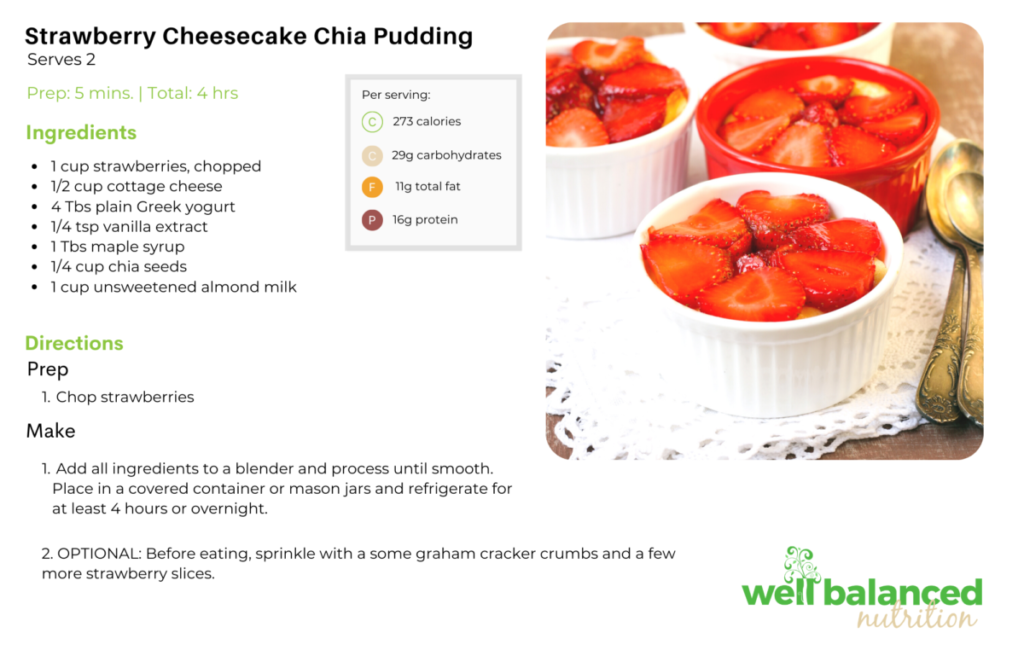
Chia seeds have a very mild nutty flavor that won’t be noticed in smoothies or baked goods too, making it easier for some to eat. They can be crunchy if they are dry, so baking or soaking allows the seeds to become soft. These components add to the ease of enjoyment when adding them into your daily meals. That mild flavor goes well in smoothies, yogurt, cereal and even makes a great pudding-like treat.
So it turns out these trendy seeds are truly a health food! They are versatile, user-friendly, exceptional and a unique low-calorie source of omega-3 fatty acids, dietary fiber, antioxidants, complete protein, iron, calcium, and magnesium.
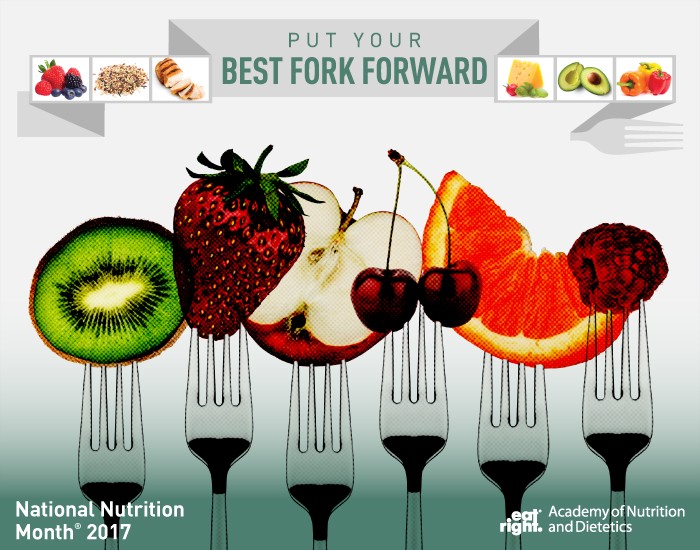
It’s National Nutrition Month and the theme, Put Your Best Fork Forward, has me thinking about the trouble with DREAMING BIG. It’s great to dream big and set big goals for yourself because nothing is impossible. The trouble is when we dream big yet forgethow powerful the little things can be.
For instance, when we are finding excuses for ourselves, it’s easy to devalue our small actions. We say, “what’s one bite?” or “What’s one day going to hurt?”
Our habits are a sum of our actions and each action counts toward that sum. Once we embrace this concept, we can keep ourselves on track and accountable.
Small things add up. Baby steps count as steps.
Another way to think about it: People wouldn’t keep a change jar if it didn’t add up.
So we can devalue those small things and let them set us back or we can realize the power in them and use that to our advantage. If you choose the latter, scroll down to see 5 baby steps worth considering. Try one or try them all and be consistent. When you do, you’ll be putting your best fork forward!
Put your fork down between bites. This is a simple way to start eating mindfully. It forces you to slow down. Consequently, you become more aware of your hunger/fullness signals and increase the chance of eating no more than what your body needs.
Eat more fruit and less cakes, cookies, candies (and other high calorie sweets). Replacing processed sweets with naturally sweet foods can increase your intake of disease-fighting properties, vitamins and minerals. Now that’s a delicious way to put your best fork forward! =)
Think about dinner at breakfast time. Dinner can be the hardest meal of the day because it’s one of the last things we think about until its 5pm. By then our will-power tank and motivation level is low. But thinking about dinner in the morning gives you a head start. You can also think about tomorrow’s breakfast at dinner time. This is a simple stepping stone to regular meal planning and prepping.
Have one less (or one more). Quitting cold turkey isn’t for everyone. If you are trying to cut back on something like drinking sugary drinks consider doing it one at a time. If you drink 4 sodas a day, try drinking just 3, then once you achieve that move to 2 and so on. If you stick to it, the momentum will build and that will keep you motivated.
Keep reading our Motivational Monday email. One study from Kaiser Permanente found that people who received weekly e-mails about diet and fitness for 16 weeks substantially increased their levels of physical activity and intake of healthy foods like fruits and vegetables while cutting back on trans and saturated fats.
Food for thought: What baby steps are you taking today? Tell us in the comments.
To provide the best experiences, we use technologies like cookies to store and/or access device information. Consenting to these technologies will allow us to process data such as browsing behavior or unique IDs on this site. Not consenting or withdrawing consent, may adversely affect certain features and functions.
Functional
Always active
The technical storage or access is strictly necessary for the legitimate purpose of enabling the use of a specific service explicitly requested by the subscriber or user, or for the sole purpose of carrying out the transmission of a communication over an electronic communications network.
Preferences
The technical storage or access is necessary for the legitimate purpose of storing preferences that are not requested by the subscriber or user.
Statistics
The technical storage or access that is used exclusively for statistical purposes.The technical storage or access that is used exclusively for anonymous statistical purposes. Without a subpoena, voluntary compliance on the part of your Internet Service Provider, or additional records from a third party, information stored or retrieved for this purpose alone cannot usually be used to identify you.
Marketing
The technical storage or access is required to create user profiles to send advertising, or to track the user on a website or across several websites for similar marketing purposes.