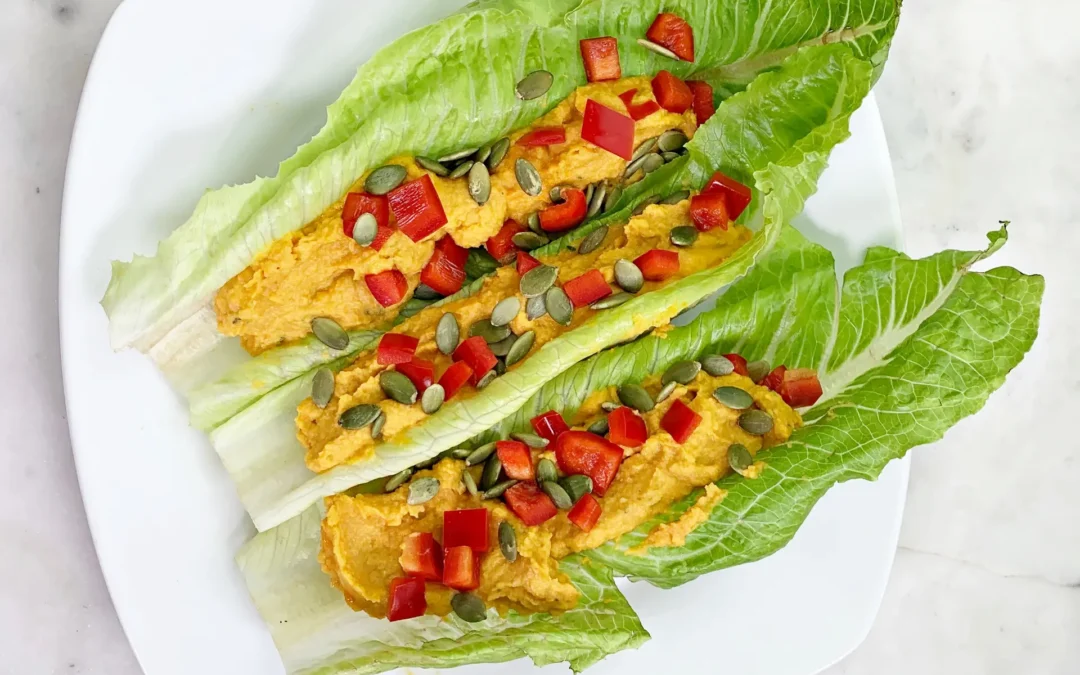
This dip is creamy, savory and packed with fiber and plant-based protein. This colorful, satisfying dip is versatile. Enjoy it with lettuce wraps, dip your favorite cracker or you can make it the star of your charcuterie board surrounded by your favorite dippers!
Place the lemon juice, lemon zest, tahini, garlic, white beans, olive oil, pumpkin puree, cayenne pepper, salt, and sage in a food processor. Pulse until smooth.
Transfer to a bowl and allow to sit for 15 minutes before garnishing with pumpkin seeds and serving.
For romaine wraps, fill each romaine leaf with 2 tablespoons of dip and garnish with pepper and pumpkin seeds.
Notes
Nutrition Facts Calories 283 Total Fat 12g Saturated Fat 2g Sodium 666mg Total
Carbohydrates 36g Dietary Fiber 5g Total Sugars 3gProtein 12g
A chocolate fudge smoothie might sound overindulgent, but this version is a nutritional powerhouse, thoughtfully crafted to support your health and even your body’s natural detox process. Here’s a look at the ingredients that make it so special:
Avocado (½) Creamy and nutrient-dense, avocado brings healthy monounsaturated fats and antioxidants to the blend. It supports your liver — one of your body’s main detox heroes — while delivering essential vitamins to keep you energized and satisfied.
Spinach (¼ cup, frozen) This leafy green is loaded with chlorophyll, fiber, and a mix of vitamins and minerals that help flush out toxins naturally. Its fiber supports healthy digestion and regularity, which is key for detoxifying every day.
Banana (½, frozen) Besides lending natural sweetness and a creamy texture, banana adds a dose of potassium to help maintain fluid balance and support kidney function — both vital for clearing out waste and excess sodium.
Dates (2, pitted and chopped) Nature’s candy adds a rich caramel-like sweetness, along with fiber to aid digestion. Dates are also packed with antioxidants to help fight free radicals and support your body’s natural cleansing processes.
Cocoa Powder (3 tbsp, unsweetened) This is where the chocolate magic happens. Unsweetened cocoa is rich in flavonoids and antioxidants that help protect your cells and support your body’s natural detox pathways — all while delivering an irresistible, fudgy flavor.
Almond Milk (1 cup, unsweetened) This creamy dairy-free base keeps things light and smooth, with vitamin E to support skin health and hydration to help your body eliminate waste. Not into almond milk? Swap in your favorite dairy or plant-based option — it’s delicious either way.
Decadent Chocolate Fudge Smoothie
This Healthy Chocolate Fudge Smoothie is a luscious blend of rich, velvety chocolate and nourishing ingredients that satisfy your sweet tooth and fuel your body at the same time. Packed with antioxidants, vitamins, and minerals, it’s more than a delicious treat — it’s a boost of goodness to power you through your day. Whether you need a quick breakfast, a satisfying snack, or an afternoon pick-me-up, this smoothie is about to become your new favorite.
Do you love to eat fresh pineapple, but find prepping it to be a chore? This video is for you! Bonus – a delicious recipe to make using your freshly chopped pineapple. Enjoy!
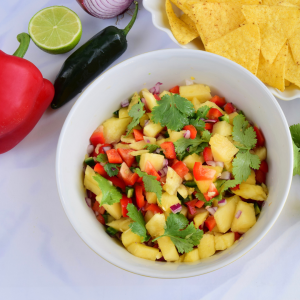
Pineapple Salsa
Pineapple Salsa
Enjoy this fresh and vibrant Pineapple Salsa as a perfect accompaniment to grilled meats, tacos, or as a delightful dip for chips!
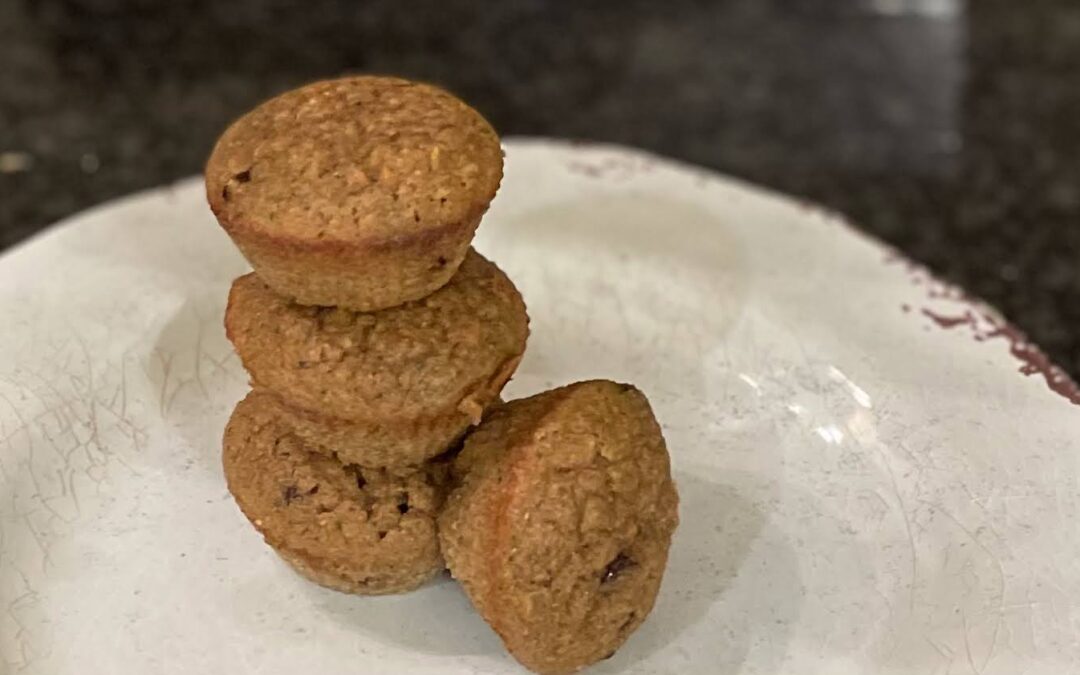
It’s always great to have a go-to recipe that never fails to impress, and that’s what I’ve found with these muffins! It’s hard to believe they contain various fruits and vegetables – because they just taste great! Even picky eaters will likely love them!
Kristen Norton
Very-Veggie Chocolate Chip Muffins
These muffins are full of vegetables and fruits. Great for a snack, part of breakfast or lunch, and will go quickly!
2Tbsmilk(2% cow's milk was used, any type of milk should work)
1/2cupGreek yogurt(Plain or Flavored) We love Oikos
4Tbsbutterunsalted, room temp
2eggslarge
1/2cupbrown sugar
1tspvanilla extract
1/2cupEnjoy Life Mini Semi-Sweet Chocolate Chips
Equipment
1 electric hand mixer
2 bowls
1 food processor
2 mini muffin tins
Method
Wash, chop and steam the broccoli.
Wash and chop apple, zucchini, and carrots into large chunks.
Preheat oven to 350°F. Place cupcake liners into mini muffin pan; set aside.
In a medium bowl mix together flour, collagen, baking soda, cinnamon, and salt; set aside.
In a food processor, combine steamed broccoli, zucchini, apple, carrots, banana, a milk, and yogurt. Purée until smooth.
In a mixer or another bowl, combine the brown sugar + butter and beat until smooth. Add eggs and vanilla and beat until smooth.
Add the fruit and veggie puree into the wet ingredients and stir until combined.
Add dry ingredients to the wet and mix until just combined.
Fold in chocolate chips.
Fill muffin cups about 2/3 full with batter.
Bake for 20-25 minutes or until tops are slightly brown and a toothpick inserted in the center comes out clean and muffins bounce back when touched.
Allow to cool for 5-10 minutes before serving.
Notes
What is Collagen Powder? Collagen is an essential protein found in our bodies and plays a vital role in maintaining the health of our skin, hair, nails, joints, and bones. Typical diets no longer contain many collagen sources (collagen comes from animal connective tissues such as bones, skin, and cartilage). As we age, our bodies produce less collagen, leading to wrinkles, joint pain, and other signs of aging. This is where collagen powder comes in as a dietary supplement. Some studies suggest that collagen powder may help improve gut health and reduce inflammation.
Collagen powder is typically unflavored and can be added to your favorite drinks or foods, making it easy to incorporate into your daily routine.Is it okay for children? Collagen is safe for children in small amounts, such as in this muffin recipe. What if I don't have collagen powder or don't want to use it?
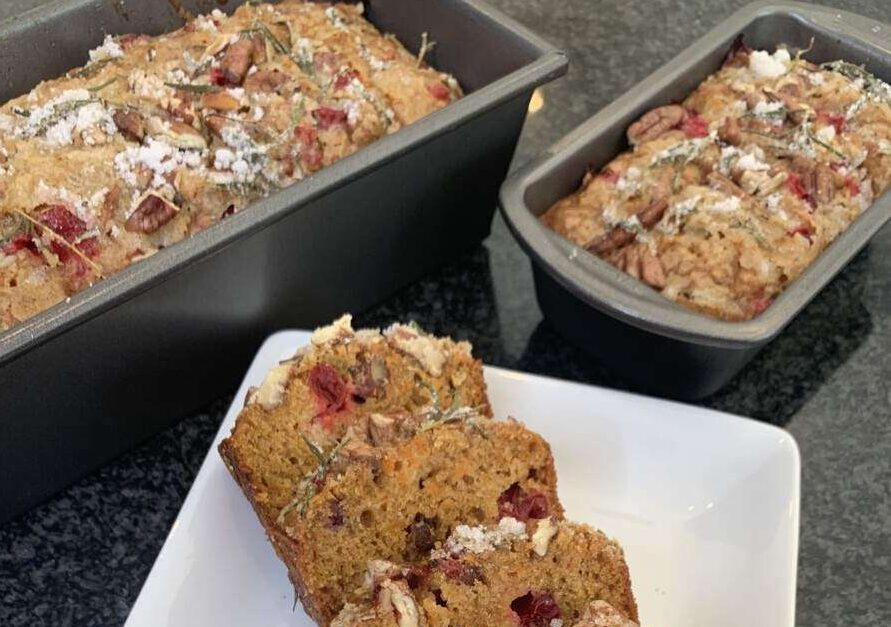
Quick bread makes a festive, fun, and sweet treat to bring to the holiday party, a gift to your loved ones, or something to enjoy with your family. This recipe features nutritious sweet potato, fresh cranberries, rosemary, and toasted pecans to give it a nice flavor. Why not make this sweet treat this holiday season?
Christy Quirk, MS, RD, LDN
Fancy Sweet Potato Bread
This quick sweet potato bread makes a festive treat to bring to a holiday party or give as a gift. It features sweet potato and fresh cranberries, as well as candied rosemary and toasted pecans to add a lovely pop of flavor. Share it with family and friends!
Roast sweet potato at 400 degrees F, until tender. Cool, peel and set aside.
Place fresh rosemary sprigs, in simple syrup, for at least 10 minutes or overnight. Remove sprigs from syrup, coat in granulated sugar and dry for at least 10 minutes. *Dry these in your pre-heated oven and they’ll break up nicely as you prepare the pans of batter.
4 sprigs rosemary
Lightly toast the pecans and set aside.
Mash the sweet potato in a large bowl, then add kosher salt, ground cinnamon, ground nutmeg, ground cardamom, baking soda, baking powder, canola oil, granulated sugar, brown sugar and eggs. Whisk till well combined.
1 tsp kosher salt, 3/4 teaspoon ground cinnamon, 1/4 teaspoon ground nutmeg, 1/4 tsp ground cardamom, 1 cup canola oil, 2/3 cup granulated sugar, 1/3 cup brown sugar, packed, 3 large eggs
Gently stir in the flour, then 3 oz of the pecans and the fresh cranberries.
1 2/4 cup all-purpose flour
Pour batter into greased loaf pans, then top with the remaining pecans and the candied rosemary (strip the stems and discard these).
Bake at 350 degrees F. ~35 minutes for mini loaves and ~1h5m for 8×4 loaves.
In the first episode of Cooking With Chef Christy, you’ll learn how to make pineapple upside-down cake with a few thoughtful twists.
Instead of white flour, Christy uses coconut flour, which adds more fiber and makes this a great option for those avoiding wheat or gluten. She also uses coconut sugar in place of white table sugar.
Because of these swaps, this version of pineapple upside-down cake is lower in carbohydrates, higher in fiber and protein, and may help support more steady energy and fullness compared to a traditional version. It still delivers that classic, sweet, nostalgic flavor you expect—just with a slightly more balanced nutrition profile.
Another bonus: this recipe comes together much quicker than a traditional upside-down cake, making it a simple, satisfying option for a weeknight treat or casual gathering.
Gluten Free Paleo Pineapple Upside Down Cake with Chef Christy
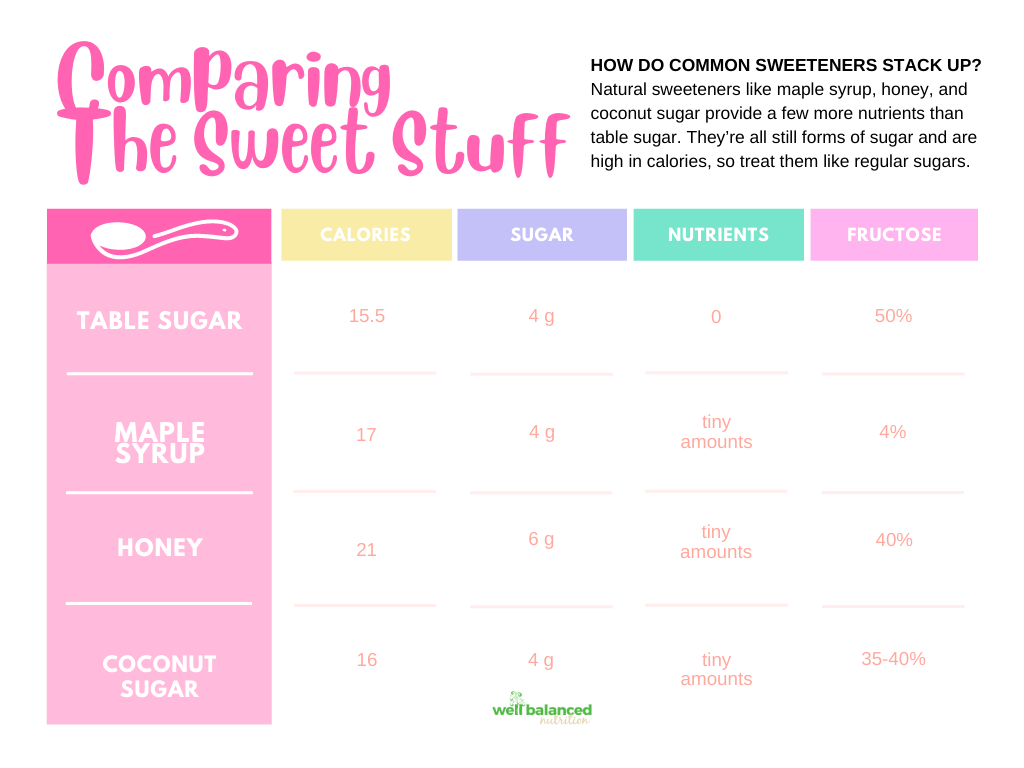
Is coconut sugar healthier than white sugar?
Short answer: not significantly.
Coconut sugar is often marketed as a healthier alternative, but from a nutrition standpoint, it’s best to treat it the same as any other added sugar.
Coconut sugar quick facts:
It has nearly identical calorie and sugar content as white table sugar
It’s made from the sap of the coconut palm and is less processed
It contains small amounts of minerals like iron, zinc, calcium, and potassium
It contains a small amount of inulin, a type of soluble fiber
Its glycemic index is slightly lower than table sugar (54 vs. 58), but this difference is unlikely to meaningfully impact blood sugar in real life
Bottom line: While coconut sugar may be slightly less refined, the differences are minimal. It still raises blood sugar and contributes to total added sugar intake.
Is Coconut Flour Healthier Than White Flour?
Coconut flour stands out primarily for its fiber content.
A 1/4 cup serving provides:
120 calories
18 grams of carbohydrates
10 grams of fiber
6 grams of protein
4 grams of fat
20% of the daily value for iron
Because of its high fiber content, coconut flour can support more stable blood sugar compared to refined white flour. It’s also a helpful option for those following gluten-free or wheat-free diets.
Important to know: Coconut flour absorbs a significant amount of liquid, which makes batters and doughs much thicker. It’s best to use recipes specifically developed for coconut flour rather than swapping it 1:1.
Why You Might Love This Version
While the nutrition differences aren’t dramatic when it comes to sugar, there are still some meaningful reasons to make this recipe:
More fiber = more staying power. The added fiber from coconut flour can help support fullness and more stable energy compared to traditional versions.
Great if you are avoiding gluten or wheat This recipe works well for those who are gluten-free or avoiding wheat, without sacrificing a classic dessert experience.
Balanced indulgence. You’re still getting the sweetness and nostalgia of pineapple upside-down cake, just with a slightly more balanced nutrition profile.
Simple and approachable. It comes together quickly, making it realistic for a weeknight treat or last-minute gathering.
It’s satisfying. With a bit more fat and protein, this version may feel more satisfying than a traditional cake, which can help you feel content with a single serving.
A Gentle Reminder
Dessert doesn’t have to be “perfect” to be part of a balanced lifestyle.
Whether you choose the traditional version or this one, what matters most is how it fits into your overall pattern. Enjoying a homemade dessert, especially one you share with others, is part of a well-balanced life too.
Well Balanced Nutrition
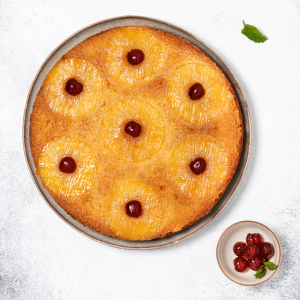
Paleo Pineapple Upside Down Cake (Gluten-Free)
This paleo version of pineapple upside-down cake has fewer calories and carbohydrates and a higher fiber and protein content than its more traditional counterpart. Another cool thing, this recipe comes together much quicker than a traditional upside-down cake.
Line the bottom of an 8" springform pan with parchment paper [this facilitates a clean inversion of the cake] Note a 9-inch pie/cake pan will work also.
Spray parchment lined pan with oil.
Whisk together dry ingredients - flours, baking powder, and sugar.
In a separate bowl, whisk together eggs, vanilla, and cooled coconut oil.
Add the wet ingredients to the dry and whisk until combined and you have a smooth batter.
Arrange pineapples rings in a single layer in your pan.
Add raspberries [or cranberries] to fill holes.
Drizzle the maple syrup on top of the pineapples.
Gently press the batter into the cake pan.
Bake in the oven for 30-40 minutes.
Remove from oven a let stand for at least 10 minutes before releasing from pan.
Invert onto a plate and serve.
Pineapple Upside-Down Cake Nutrition Comparison
Paleo vs Traditional from Betty Crocker <All values listed per serving> Calories: 279 vs 390 (~110 less) Fat: 15 total, 9 saturated vs 14 total, 6 saturated (1 and 3 g higher respectively) Cholesterol: 69 vs 40 (29g higher) Carbohydrates: 32 vs 62 (30g lower) Fiber: 4 vs 1 (3g higher) Protein: 7 vs 4 (3g higher)
In summary, this paleo version has fewer calories and carbohydrates, higher fat and cholesterol, and higher fiber and protein than its more traditional counterpart.
To provide the best experiences, we use technologies like cookies to store and/or access device information. Consenting to these technologies will allow us to process data such as browsing behavior or unique IDs on this site. Not consenting or withdrawing consent, may adversely affect certain features and functions.
Functional
Always active
The technical storage or access is strictly necessary for the legitimate purpose of enabling the use of a specific service explicitly requested by the subscriber or user, or for the sole purpose of carrying out the transmission of a communication over an electronic communications network.
Preferences
The technical storage or access is necessary for the legitimate purpose of storing preferences that are not requested by the subscriber or user.
Statistics
The technical storage or access that is used exclusively for statistical purposes.The technical storage or access that is used exclusively for anonymous statistical purposes. Without a subpoena, voluntary compliance on the part of your Internet Service Provider, or additional records from a third party, information stored or retrieved for this purpose alone cannot usually be used to identify you.
Marketing
The technical storage or access is required to create user profiles to send advertising, or to track the user on a website or across several websites for similar marketing purposes.