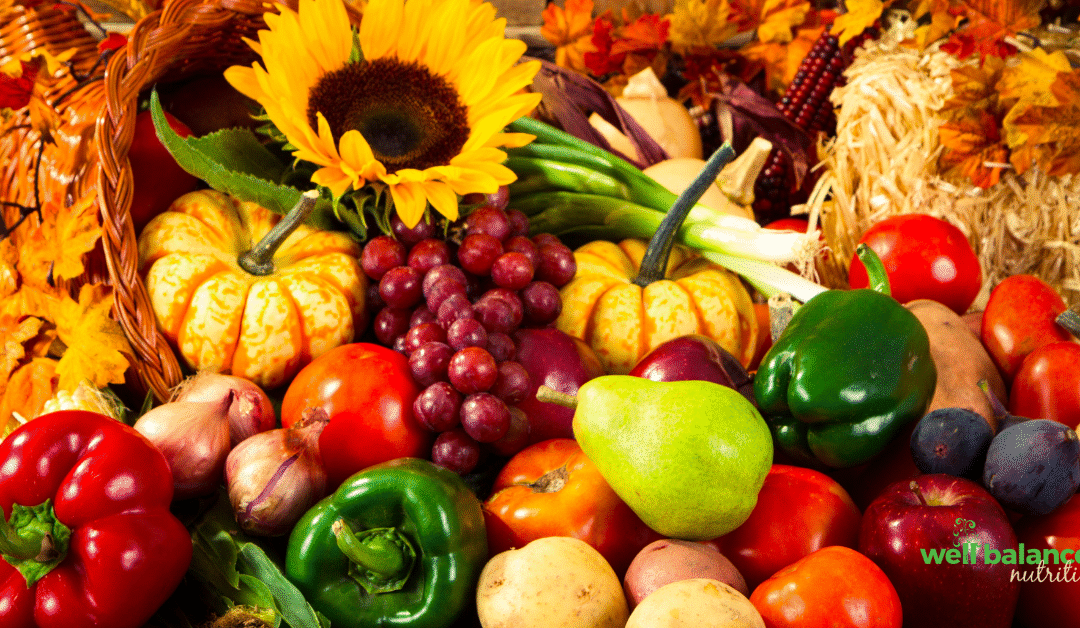
Fall flavors are irresistible: pumpkin spice, caramel, cinnamon, everything nice! At Well Balanced Nutrition, we’re all about enjoying your favorites without the guilt trip. You can absolutely savor the original treat when it’s calling your name. But if you’re looking for a lighter, balanced version that keeps your blood sugar steady, your energy up, and your heart healthy, try one of these cozy swaps.
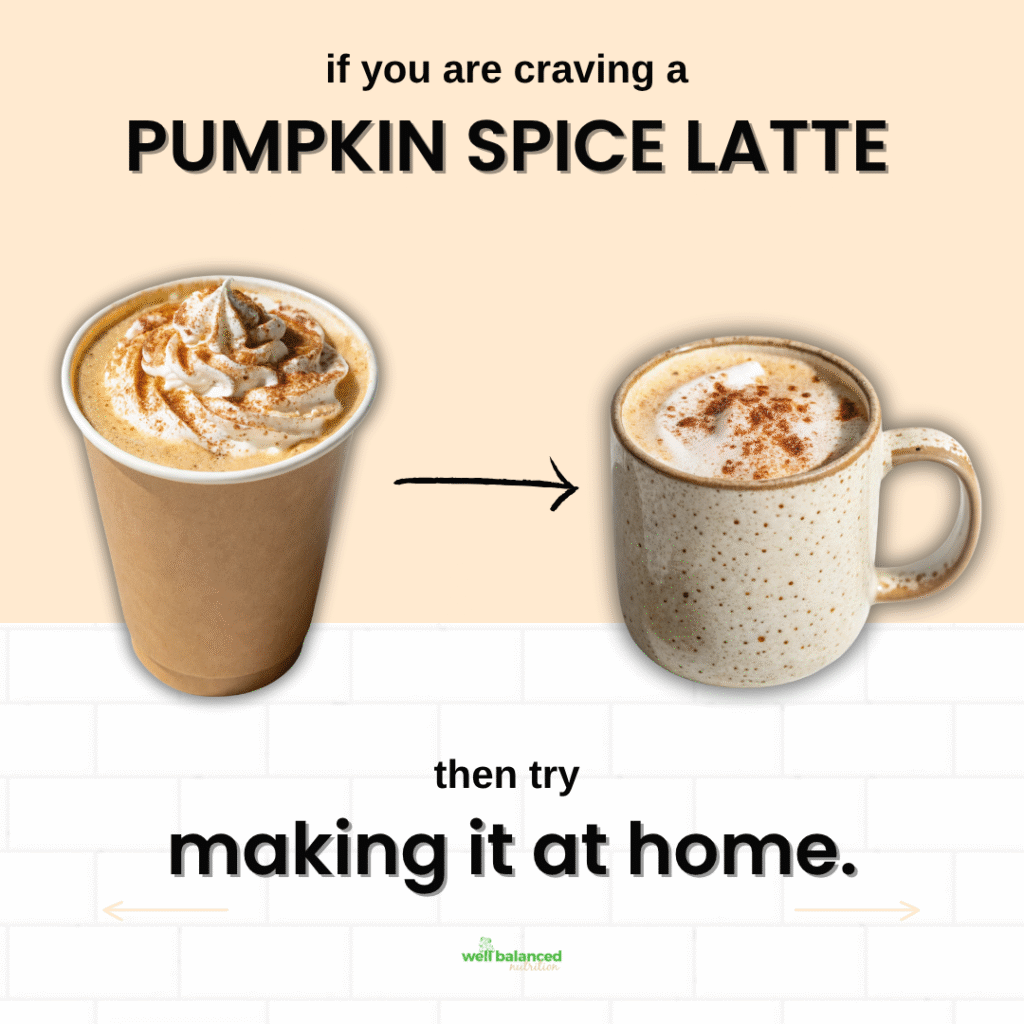
1. Pumpkin Spice Latte → DIY Pumpkin Latte
The classic PSL is cozy and delicious… but also comes with a lot of sugar and fat. A tall Starbucks version can run over 300 calories and contains 35 grams of sugar. The whole milk and whipped cream add 11.5g of saturated fat. You can see how your favorite fall variations add up with this comprehensive Starbucks Nutrition Calculator. It will help you see the calories, nutrition, and caffeine of your favorite Starbucks drinks.
Swap it: Order a lighter café version (nonfat milk, no whip, fewer pumps of syrup, or sugar-free flavoring) or make your own at home. Start with brewed coffee. Blend or froth warm milk of choice, a spoonful of pumpkin purée, vanilla extract, a sprinkle of pumpkin pie spice, and your favorite sweetener.
Benefits: You control the sweetness. Let’s say you use 2 teaspoons of maple syrup to sweeten your coffee. The maple syrup provides 9g of sugar, saving you 26g of added sugar.
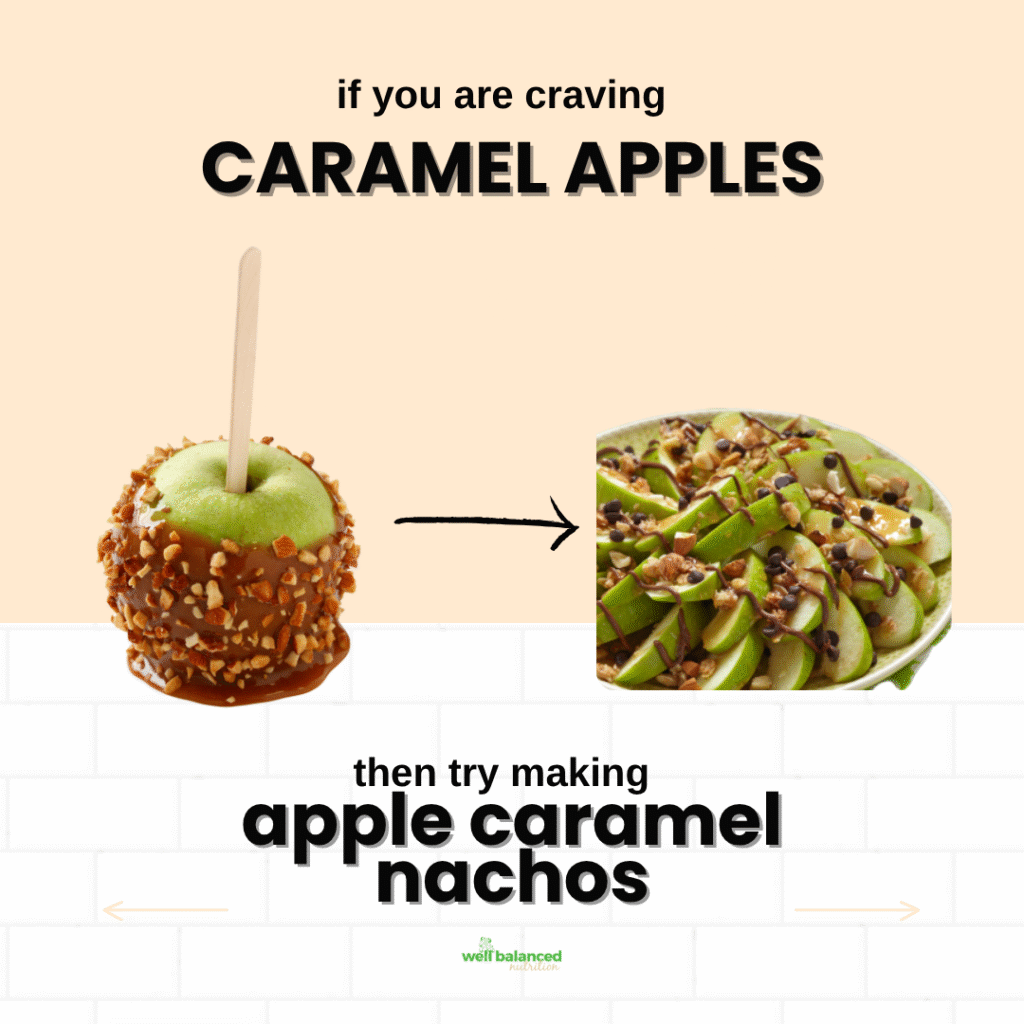
2. Caramel Apples → Caramel Peanut Butter Apple Nachos
Traditional caramel apples are a classic fall treat, but they can be a little messy and sticky. Not to mention how they can get stuck to your teeth!
Swap it: Slice a crisp apple and layer it like little nachos. Drizzle with natural peanut butter for protein, a touch of caramel sauce for that seasonal sweetness, and finish it off with a sprinkle of granola, chopped nuts, or dark chocolate chips.
This version is easier to share, less sticky, and gives you a boost of protein and fiber to keep you satisfied longer. Plus, it’s still a festive, crave-worthy treat that hits all the flavors you love about caramel apples, without all the mess.
Benefit: Less sticky, more protein and fiber, and still totally fun to eat.
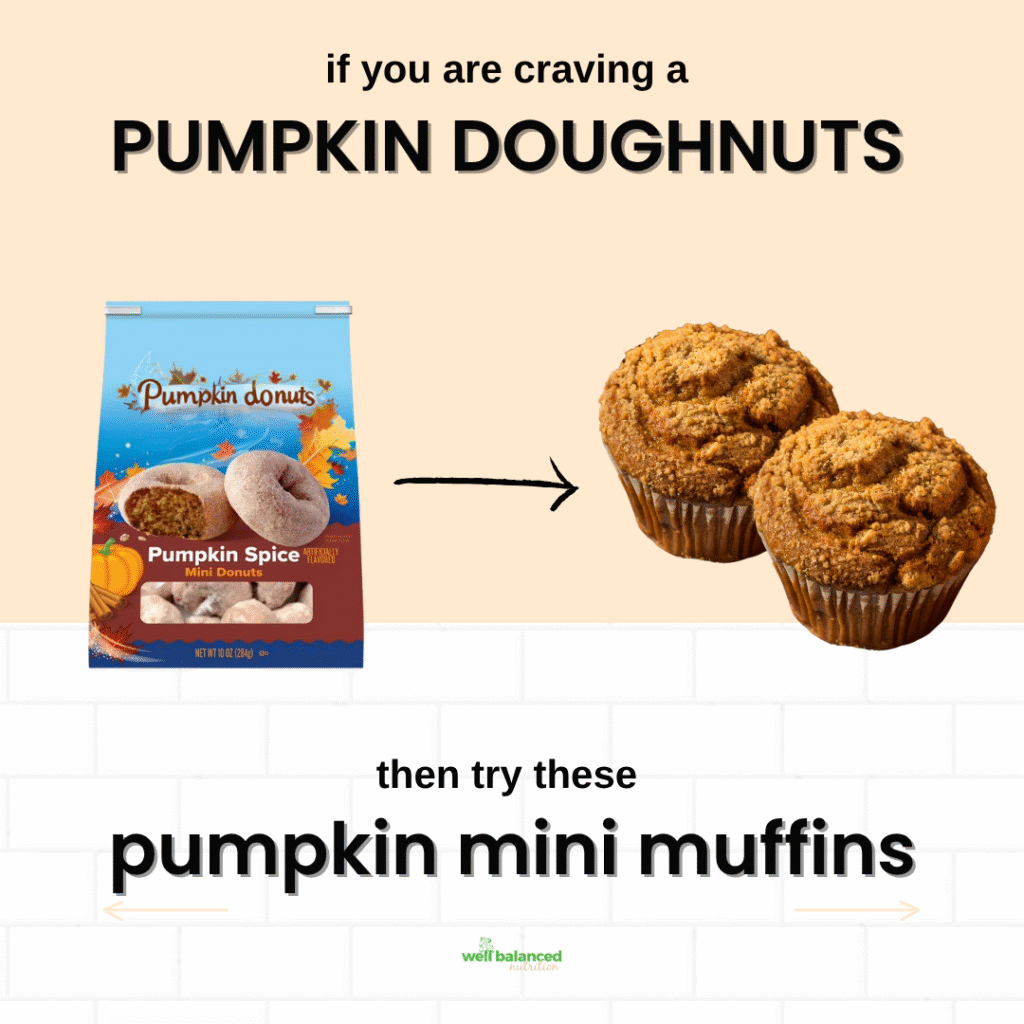
3. Pumpkin Donuts → One-Bowl Pumpkin Muffins
My family loves starting a weekend day with doughnuts and eggs. Pumpkin spice donuts are a fun seasonal indulgence, bringing all those warm autumn flavors we look forward to each year. But, like many seasonal treats, they’re largely a source of sugar and refined flour, which means they provide very little in the way of vitamins, fiber, or protein. Enjoying them occasionally is totally fine, especially when paired with something more nourishing like eggs, yogurt, or a piece of fruit, but it’s worth remembering they’re mostly about flavor and enjoyment rather than nutrition.
Swap it: When I make these one-bowl pumpkin muffins, I feel good because they’re made with real pumpkin, have less added sugar, and include fiber and protein that help keep us full and energized all morning. It’s a simple way to enjoy that cozy fall flavor while giving our bodies a little extra nourishment.
Benefit: You’ll cut back on added sugar and enjoy a more nutrient-rich treat.
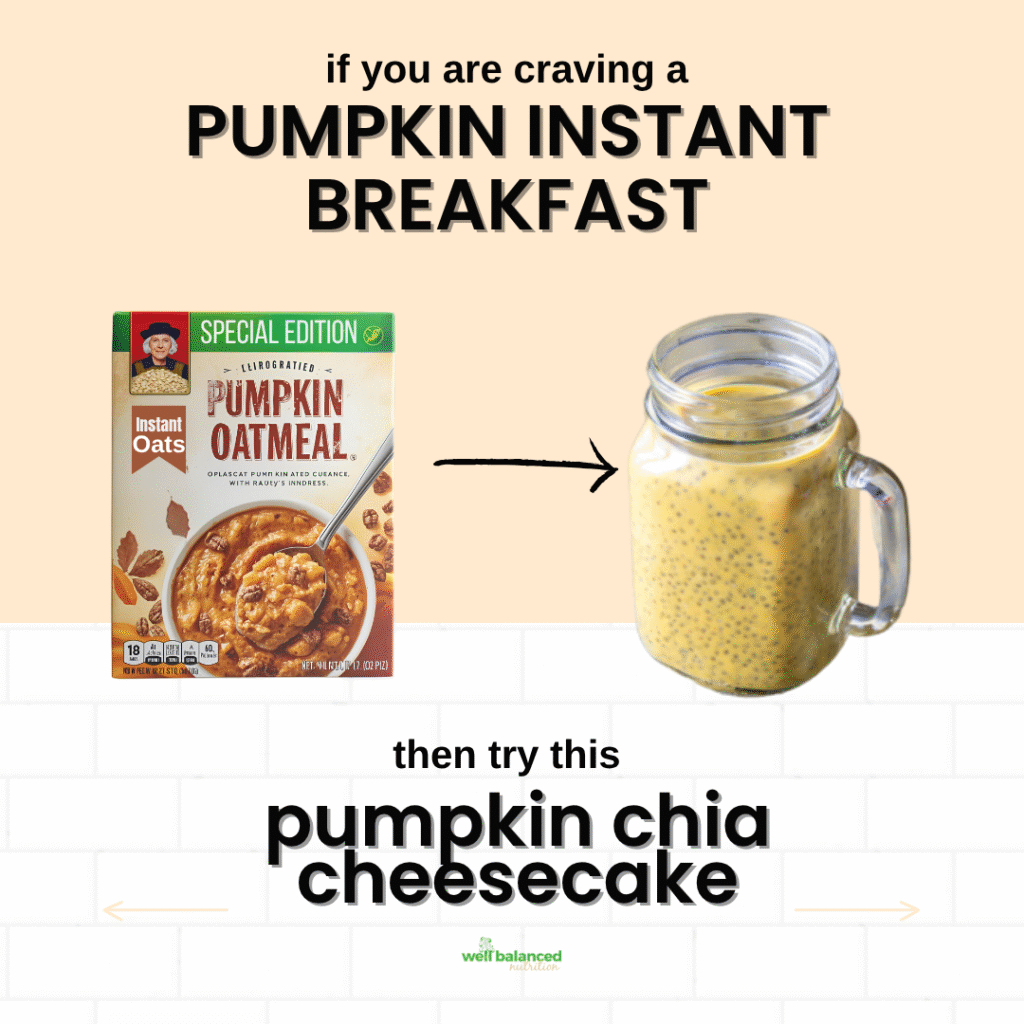
Instant oatmeal packets are convenient, but they lack enough protein and fiber to get you through your morning.
Swap it: Start your day with something that feels like dessert, but offers a balance of healthy fats, steady carbs, and plenty of protein. Stir cottage cheese, chia seeds, pumpkin purée, cinnamon, and a drizzle of maple syrup into a pudding that tastes like pumpkin cheesecake.
Benefit: Packed with protein and fiber, it keeps you full and fueled longer.
5. Snickers Bar → PB and Date Treat
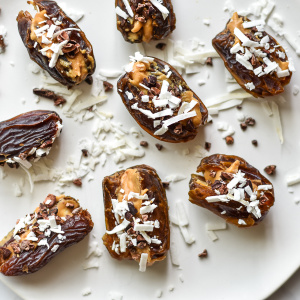
Candy bars are the ultimate salty-sweet-crunchy fix, and it can be tempting to eat what you bought for the trick-or-treaters! Now, don’t get us wrong, there’s nothing bad about enjoying some candy this time of year, but if you are seeking a better-for-you option, let’s find a way to cut back on the sugar, not the taste. Stuff Medjool dates with peanut butter, tuck in a peanut for crunch, and drizzle a little melted dark chocolate on top (or use cacao nibs to avoid added sugar). Pop them in the freezer for an easy, grab-and-go treat that satisfies the same flavor craving.
Benefit: You still get that crave-worthy sweet-and-salty combo, but with natural sweetness from the date and a touch of fiber and protein to help keep you full. It’s indulgence with a little more nutritional bang for your bite.Candy bars deliver that salty-sweet-crunchy fix, but they come with loads of added sugar.
6. Store-Bought Fall Snack Mix → DIY Snack Mix
Many seasonal snack mixes are high in sodium, sugar, and refined carbs.
Swap it: Make your own blend with roasted pumpkin seeds, almonds, popcorn, whole-grain cereal, and a handful of dark chocolate chips or dried cranberries.
Benefit: You control the ingredients, get more fiber and protein, and can store a big batch for easy snacking all week.
Food For Thought
With these fall swaps, you don’t have to choose between flavor and feeling good. Try one new idea each week, share your favorite with a friend, and see how easy it can be to enjoy fall flavors in a balanced way.
Recipes:
Well Balanced Nutrition
One-Bowl Mini Pumpkin Nut Butter Muffins
What better way to spend the first day of October than enjoying these warm and cozy Pumpkin Spice Muffins?! They taste like Fall and there are so many reasons why you will love them!
Add all ingredients, except coconut oil spray, to a bowl and whisk until smooth and creamy.
Using a small ice cream scoop or two spoons, place batter in mini muffin tins 3/4 way full.
Bake for about 10 minutes until tops spring back when touched. (If using larger muffin tins, bake time will be longer.)
Remove from oven and let stand two minutes before removing from pan.
Notes
I use almond butter because it’s my preference.Try a natural nut butter if you can, with just nuts (and maybe a pinch of salt). Don’t worry if the oil separates; that’s normal! Give it a good stir before using in this recipe.If peanut or nut allergies are in the house, a seed butter like Sunbutter works just as well.
Juice lemon and add to a medium bowl with cold water.
Slice apples and place in lemon water – set aside.
Soak dates in very hot water for 10 minutes – drain and reserve liquid.
Make
Place dates in food processor and pulse until it forms a ball. Add peanut butter and salt. Pulse until combined, adding reserved date fluid [or warm water] until mixture is super creamy. This will form your “caramel” sauce. Add enough liquid to create a sauce with your desired consistency.
Remove apples from lemon water, rinse, and pat dry. Arrange on a platter in a circular pattern.
Drizzle with caramel sauce and top with chocolate chips and pecans.
Notes
Swaps: Instead of nut butter, you could use canned coconut milk to give the caramel sauce a creamy texture. Use just enough to create a caramel sauce you can drizzle.Each serving provides:
Calories: 296
17.6g total fat
4.9g saturated fat
343mg sodium
32g carbs
6g fiber
6 g protein
Peanut Butter Stuffed Dates with Coconut & Cacao
Craving something sweet? These Peanut Butter Stuffed Dates have serious candy bar vibes with a simple ingredient list. Naturally sweet dates provide fiber and have a lower glycemic index than many traditional desserts, making them a satisfying treat that can fit into a balanced eating pattern.
Cut a small slit into each date using a sharp paring knife.
Use a spoon to stuff each date with the peanut butter.
Sprinkle with cacao nibs and shredded coconut.
Freeze for at least 10-15 minutes.
Notes
As written, this recipe has no added sugars, but if you prefer, you can swap cacao nibs for regular chocolate chips.Store in the refrigerator or freezer.
You’re scrolling through your feed, coffee in hand, enjoying seeing posts from friends, and then BAMB another “miracle” diet, another “shocking” study, another headline screaming that the food you just ate is either going to save your life or ruin it. Berries are good. No wait—they’re bad. Coffee boosts your metabolism. Scratch that—coffee dehydrates you.
It’s exhausting. You want to eat well, feel your best, and actually understand what’s going on, but how are you supposed to make sense of all the conflicting information? Every post comes with someone’s strong opinion, a tiny study, or a catchy infographic that barely scratches the surface. And the worst part? A lot of it looks convincing. Who has the time to fact-check every claim while juggling work, family, or practice schedules?
Frustration builds. You start second-guessing your choices. Did you eat the wrong breakfast? Should you skip that snack? Did that smoothie help or hurt? It’s not just about nutrition…it’s the mental load of trying to separate the helpful advice from the hype, the science from the clickbait. It’s exhausting.
Here’s the thing: nutrition doesn’t have to feel chaotic. Understanding how to eat well isn’t about chasing the latest post or memorizing every “rule” on the internet. It’s about learning what’s evidence-based, finding what works for your life, and trusting yourself to make balanced decisions. Because the real goal isn’t perfection—it’s clarity, confidence, and feeling good in your own body, no matter what your feed says today.
However, not all information found on social media is accurate. One study by Deakin University’s Institute for Physical Activity and Nutrition (IPAN) looked at nearly 700 Instagram posts by influencers and brands with more than 100,000 followers and found that almost half contained inaccurate nutrition information. It also found that 9 out of 10 posts were of low quality when factors such as the author’s professional qualifications, the evidence base of the information, advertising, and commercial interests were considered.
Not everyone giving nutrition advice has the same training. Unlike medicine or nursing, the word nutritionist isn’t tightly regulated. In some states, anyone can call themselves a nutritionist after a weekend course, reading a book, or sharing their own personal health journey on Instagram. That’s why the advice out there can feel all over the place, because it really is coming from people with very different levels of knowledge and experience.
Some nutrition professionals, like Registered Dietitians (RD/RDNs), go through years of education, hands-on training, a board exam before they can practice, and continuing education to keep their license active. Physicians or naturopaths may share nutrition advice, though it’s not always their main area of training. Others, like health coaches or personal trainers, may take shorter certification courses that emphasize habits, motivation, or fitness but don’t cover complex health conditions. And then there are influencers or self-proclaimed “experts,” who may have no formal training at all but share what worked for them.
None of this is meant to dismiss personal stories or coaching; they can be motivating and helpful. But when it comes to managing conditions like blood sugar, cholesterol, gut health, or chronic illness, it matters whether someone has the expertise to give safe, evidence-based guidance.
The science is complex.
Nutrition research is fascinating, but it’s also messy. Research evolves, findings can contradict one another, and studies get reduced to a single headline that misses the nuance. For example, one week coffee is “bad for you,” and the next it’s “protective.” The truth usually lies somewhere in between, but extreme messages grab more attention than the middle ground.
The Single-Study Trap
When there is a study for every point to be made, how do you make sense of it all? What most people don’t realize is that a single study rarely tells the whole story. Strong evidence is built by looking at the totality of research, like systematic reviews, meta-analyses, and consensus statements. That’s why dietitians emphasize balance and patterns, not quick-fix claims.
There’s money in confusion.
Let’s be honest: confusion and emotions sell. Supplements, diet programs, detox teas, and quick fixes are a multi-billion-dollar industry. Products and ideas are sold by playing on your uncertainty, tugging at your emotions: fear of missing out, guilt, shame, or the promise of quick, dramatic change. Balanced, evidence-based advice? Boring and doesn’t sell.
How to Spot and Navigate Nutrition Misinformation
Here are 6 concrete ways to evaluate nutrition information:
1. Watch for emotional or extreme language
Words like “never,” “miracle,” “secret,” or “must” are common tactics to grab attention.
Ask yourself: Is this claim realistic or designed to provoke a strong emotional response?
2. Examine the proof
Avoid relying on a single study. Even high-quality studies may have limitations. Look for systematic reviews, meta-analyses, or consensus statements from experts.
Pay attention to context. Does the study reflect the population, age group, or health condition that applies to you?
3. Use practical tools to verify claims
Check multiple reputable sources before acting on a claim. If the same advice appears in peer-reviewed studies, official health organizations, or multiple expert sources, it’s more trustworthy.
Ask a professional. Registered dietitians can help you interpret conflicting information and adapt it to your unique circumstances.
4. Consider potential bias
Ask yourself: Is this person promoting or selling a product, program, or supplement? This does not automatically mean the information is wrong, but it’s worth considering the potential for bias when evaluating their advice.
5. Consider your own needs and goals
Just because a diet or supplement works for someone else does not mean it is right for you. Your body, lifestyle, preferences, and health history matter.
Focus on long-term, sustainable habits rather than quick fixes. Test changes gradually, and track how they affect your energy, mood, digestion, and overall wellness.
6. Trust your instincts
If something feels overly dramatic, confusing, or promises instant results, it’s worth pausing. Critical thinking is one of your best defenses against misinformation.
By following these steps, you can filter out noise, make informed decisions, and protect your health without falling into the trap of hype, extremes, or misleading claims.
The Take Home Message:
Though human brains crave easy solutions and hard-and-fast answers, the reality is that these rarely exist in the field of nutrition. As registered dietitians who have spent years studying nutrition, we often can’t give a single clear-cut answer. Nutrition science is evolving, and even our best high-quality studies can’t perfectly spell out cause and effect. That’s why good dietitians know that nutrition is highly nuanced, and they help you apply evidence-based methods in a way that fits your life and your body. They help you understand:
There’s more than one route to better health. What matters most is sticking with a method long enough to know whether it works for you, which is hard in a world of constantly changing headlines.
Nutrition is also only one part of healthy living. When we give it too much power or attention, it can backfire, leading to guilt, stress, or an unhealthy relationship with food. True wellness encompasses not only nutrition but also movement, sleep, stress management, and overall well-being, including joy.
Ready to take the next step?
If you’re tired of confusing and conflicting advice, one of our registered dietitians can help you navigate nutrition in a way that fits your life and current health needs. It all starts with a free phone call.
Cold and flu season is around the corner. You may have wondered whether you can actually boost your immune system or if that is all hype. While no single food or supplement is a magic solution, the foods you eat can provide your immune system with the tools it needs to function at its best. Staying healthy is not just about avoiding sickness. It is about having the energy to enjoy life, whether that means keeping up with the kids, running errands without feeling wiped out, or chasing your goals without hitting a wall.
Your immune system is one of the body’s most powerful defense systems, but like any system, it works best when supported.
What foods help boost your immune system?
Eating a variety of fruits, vegetables, nuts, and spices can help give your immune system the support it needs. This September, as we celebrate National Fruits & Veggies Month with the Have A Plant movement, it’s the perfect time to highlight some top immune-supporting foods and simple ways to enjoy them.
Citrus Fruits
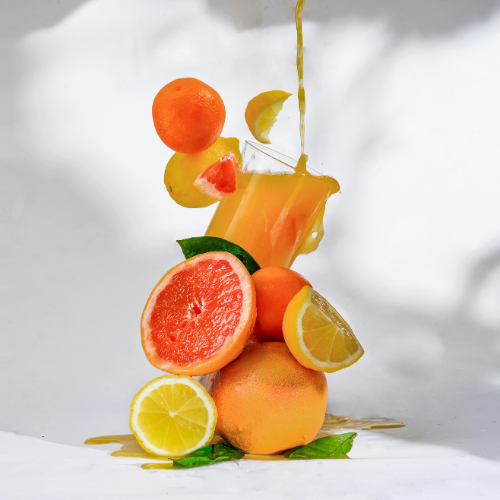
Oranges, grapefruit, lemons, and limes are rich in vitamin C, which supports white blood cell function. Keep citrus handy for snacks or squeeze fresh lemon into water for a quick immune-supporting boost.
Berries: Tiny Fruits, Big Benefits
Blueberries, strawberries, raspberries, and blackberries deliver powerful antioxidants called flavonoids. Sprinkle them over yogurt, toss them into smoothies, or enjoy them fresh by the handful.
Broccoli: The Veggie All-Star
This veggie earns all-star status with vitamins A, C, and E, plus compounds that fight inflammation. Roast it with olive oil and garlic for a simple side dish.
Leafy Greens: Your Immune Defense Team
Spinach, kale, and collards are packed with vitamin C and beta carotene, both key players in immune defense. Try adding a handful of greens to soups, wraps, or eggs.
Nuts and Seeds: Snack Your Way to Stronger Immunity
Almonds, sunflower seeds, and walnuts provide vitamin E, selenium, and magnesium. These nutrients help regulate immune responses and keep inflammation in check. A small handful makes the perfect snack.
Spices: Flavor That Fights Inflammation
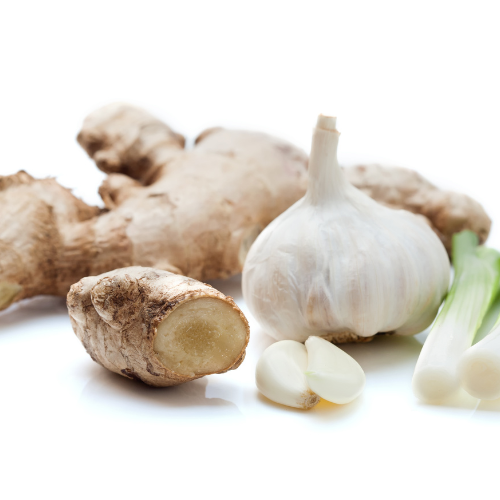
Garlic, ginger, and turmeric don’t just add flavor—they also bring anti-inflammatory and immune-supporting benefits. Use them generously in cooking, or add fresh ginger to tea.
Food for thought…Supporting Immunity Every Day
Your immune system works around the clock to protect you. Along with eating a variety of nutrient-rich foods, daily habits like staying active, getting good sleep, and managing stress all help keep your defenses strong. No single food or supplement can guarantee you will not get sick, but consistent healthy habits give your body the tools it needs to respond and recover.
Start with one small change, like adding an extra serving of leafy greens or berries each day, and build from there. Your immune system will thank you.
Start with one small change, and build from there. Your immune system will thank you.
Let’s connect!
Do you need more guidance on improving your health with food? If you want a personalized and more detailed nutrition plan based on your health, lifestyle, and goals, connect with our team at Well Balanced Nutrition to get started on a plan that truly works for you.
One minute you’re fine, and the next you’re in front of the pantry searching for sweets—as if something hijacked your brain.
If that sounds familiar, you’re not alone.
Cravings are sudden, specific desires for food. Most often they’re for something sweet, salty, or comforting, and they can strike whether or not you’re actually hungry. Harvard Health even describes a craving as an intense urge to eat a certain food right away.
In this blog, you’ll learn what sparks cravings—and how to manage them—so you can feel more at ease and in control of what and when you eat.
What causes food cravings?
There are complex and common physiological causes behind cravings. Many of these are built into our brains and naturally regulated by hormones and other chemicals in the body. The top four causes, according to the Cleveland Clinic are food euphoria, feeling stressed, lack of sleep, and day-to-day habits.
Food euphoria
Food euphoria is when the food we eat taps into the “feel good” centers that are hard-wired in the neurons of the brain. In addition to the “feel-good” neurotransmitter called dopamine, craveable foods also stimulate the release of hormones that impact metabolism, stress levels, and appetite. This euphoria feels like a pleasurable reward and can naturally make us want to continue to eat that particular food, generating even more cravings for it.
Feeling stressed
Feeling stressed can make our food cravings even more powerful, especially when that stress is over the long term. Increased levels of stress hormones like cortisol start up our “fight or flight” instincts that get us to look for food so we can get the energy we need to fight or flee. Eating the food we crave provides us with some relief from that stress and helps us to cope with, or even distract from, stressful feelings, even if the coping and distraction are temporary.
Fun fact: Research shows that nutrient or energy deficiencies are not powerful or common causes of food cravings.
Lack of sleep
Lack of sleep can strengthen cravings due to its impact on our hormones. For example, not getting enough sleep places additional stress on our bodies and that further increases our desires for certain foods. Lack of sleep can also induce hunger by increasing the hunger hormone ghrelin and decreasing the fullness hormone leptin.
Day-to-day habits
Habits may also play a part in cravings. Sometimes, when we’re used to snacking in response to certain feelings—like stress or fatigue—or pairing food with certain activities—like driving, scrolling on social media, or watching TV—those habits can reinforce cravings and lead us to reach for snacks almost automatically, before we even realize it.
In addition to these four causes of food cravings, other factors can contribute. For example, seeing or smelling a craveable food can spark cravings, as can hormonal fluctuations that occur during the menstrual cycle. Some medications are known to increase appetite. And new research is looking into possible connections between food cravings and our genes and gut microbiota.
How to curb your food cravings.
Now that we have looked at some of the main causes of cravings, let’s talk about what we can do about them. First, remember that if you are truly hungry, you should eat. But if you know this is just a craving and you feel stuck in a pattern that does not serve you, there are some simple strategies you can try to get back in control.
1. Try drinking water
Sometimes what feels like hunger or a craving is simply thirst. By staying hydrated throughout the day, you may reduce the number of times you feel the urge to eat when your body does not actually need food.
2. Be more mindful
Mindfulness can help you pause and notice cravings before you act on them. Ask yourself if your craving might come from stress, boredom, anger, fatigue, or if you are truly hungry. If you realize it’s an emotional pull, try taking a few deep breaths, listening to a short meditation, or going for a quick walk to reconnect with yourself before reaching for a snack.
When you do eat, stay mindful. By paying close attention to the thoughts and feelings that might fuel a craving, you can slow down and really appreciate what you are eating. Take smaller portions, smell and taste the flavors, chew thoroughly, and relax between bites.
3. Eat balanced meals
By eating meals that are highly nutritious and contain protein and fiber, you can feel fuller quicker and stay full longer. Also, consider eating regularly throughout the day, as longer stretches between meals can intensify feelings of hunger. This can lead to eating too much too fast or eating foods that are convenient and craveable but not as nutritious. Do you need inspiration and ideas for Well Balanced recipes? Join our community and we will deliver a delicious and nutritious meal to your inbox each week!
4. Make nutritious snacks more convenient
Snacking can be a smart strategy, especially when there is a long gap between lunch and dinner. Instead of waiting until you are overly hungry when cravings for anything quick and convenient tend to take over, a healthy snack acts as a purposeful mini-meal that keeps your energy steady and your hunger in check. Choosing nourishing options can prevent overeating later and help you stay balanced throughout the day.
Make healthy choices convenient by washing, chopping, and storing fruits and vegetables ahead of time. Keep grab-and-go dips like nut butter, hummus, plain yogurt, salsa, or guacamole ready. You can even make your own trail mix.
5. Don’t completely deprive yourself
It’s important to remember that a balanced diet includes room for foods you truly enjoy. The key is finding ways to enjoy treats mindfully and strategically, that could be having treats on occasion, having smaller portions, or even choosing healthier versions. Foods with less added sugar or extra protein and fiber can help keep you satisfied and prevent overindulging. Embracing flexibility around food makes it easier to stick with healthy habits long-term while still enjoying life’s little pleasures.
6. Limit environmental cues
Sometimes cravings are brought on by the sight of a tasty snack on social media or the candy bowl in the break room. Becoming aware of these environmental triggers can help you make choices that feel good for you. Rather than trying to fight or ignore cravings, noticing where they come from gives you the chance to respond with kindness and curiosity, and when possible, gently create space away from those cues to support your well-being.
7. Try non-food-related rewards
We often turn to food to celebrate moments like finishing a big project at work, reaching a personal goal, a birthday, or even small wins like getting through a tough day. Food can also be part of gatherings with friends and family, holidays, or special occasions like graduations and anniversaries. These moments feel meaningful, and enjoying favorite treats can make them feel even more special. But it is helpful to build up other ways to enjoy yourself that do not involve eating. Try treating yourself to non-food activities like dancing around your living room, taking a long relaxing bath, going for a walk outside, or diving into a favorite hobby like painting or gardening. You might also treat yourself to a restful nap, listen to your favorite music, or get lost in a good book. Having these options can help you respond in ways that truly nourish you.
8. Manage stress
Life can be stressful, and while we can’t completely avoid stress, we can learn to manage it in healthier ways. Improving how we handle stress may help lower stress hormones and reduce the intensity of food cravings. Finding mindful tools like deep breathing, movement, or connecting with others can make a real difference in how you feel and support your overall well-being.
9. Get enough quality sleep
Not getting enough sleep can leave you feeling hungrier and craving more food. Research suggests that poor sleep may throw your appetite hormones out of balance and make it harder to feel satisfied. On top of that, lack of sleep raises stress levels, which can amplify those cravings even more. Aiming for about seven to nine hours of good sleep each night can help your body stay in balance and make it easier to manage cravings throughout the day.
10. Be compassionate with yourself
Be kind to yourself and remember you are only human. Beating yourself up over what you eat or how much you crave something can actually make cravings worse. When you feel guilty or ashamed, it can create more stress and negative emotions, which often send you right back to food for comfort. This cycle can be exhausting and discouraging. Being kind to yourself and letting go of harsh self-talk can help break that pattern. When you approach cravings with curiosity and self-compassion instead of criticism, it is easier to make choices that truly support your well-being.
Food for thought…
The good news is that as you understand more about why you have food cravings, you can start using smart strategies to guide them toward your health goals—so you don’t feel like you’re at their mercy.
Let’s Connect!
Do you need more guidance on improving your health with food? If you want a personalized and more detailed nutrition plan based on your health, lifestyle, and goals, connect with our team at Well Balanced Nutrition to get started on a plan that truly works for you.
Does Your Morning Feel Like a Sprint with No Warm-Up? Try These 5-Minute Self-Care Rituals
Every August, my house shifts from lazy summer mornings to that back-to-school scramble. And whether you have kids or not, you’ve probably felt the shift too: the world picks up speed, routines tighten, and suddenly mornings matter more.
The truth is, a smoother start doesn’t need to be complicated, but it takes some preparation. Let’s look at a few morning rituals that can help protect your energy, focus, and blood sugar throughout the day. I like to think of these as rituals instead of habits, because a ritual adds a sense of ceremony. It becomes a way to care for your future self.
If you’re craving a calm, balanced morning, here are my favorite 5-minute rituals to get you out the door feeling human.
In my house, we’re split down the middle. Two of us thrive on routine and can eat the same breakfast every day without complaint. The other two need more variety and, frankly, would rather skip breakfast altogether some days.
Like it or not, breakfast sets the tone for your whole day. Even if you don’t feel hungry first thing, there is strong evidence that starting your day with enough protein can support focus, steady energy, and help prevent that mid-morning crash. It can also reduce cravings for sweets and snacks later on.
Mornings feel so much smoother when breakfast is ready ahead of time, whether you prep on the weekend or the night before. You can mix up overnight oats or chia pudding in a jar, portion out smoothie ingredients into freezer bags, or bake muffins or egg cups for an easy grab-and-go option. Even small steps like chopping fruit, washing berries, or setting out your pan and spatula can make mornings feel calmer when you are still half-asleep.
Bake a batch of muffins or egg cups for grab-and-go breakfasts
Chop fruit and store it in containers
Wash and dry fresh berries
Set out your pan, spatula, or any utensils you will need
Measure dry ingredients for pancakes or waffles
Fill the coffee maker or kettle so it is ready to go
Pack a breakfast to take with you if you eat on the run
Why it works: Prepping breakfast ahead of time saves precious brain power and guarantees your first meal has the protein and fiber you need.
How to: Make it a nightly ritual to do at least one thing that helps with breakfast for the next day. Do it while you are already in the kitchen, maybe after dinner or while you grab water before bed.
Ritual #2: Keep Water by the Bed
Many of us start our day already dehydrated. It is such a simple thing, but putting a glass or bottle of water on your nightstand is like giving your future self a gentle head start.
You do not have to chug a gallon. Just a few sips first thing can help wake up your system gently. I like to fill an insulated water bottle with ice so it is nice and cold in the morning. You may prefer room temperature. Do what feels best for you.
This takes five seconds at night and pays off before you even set foot in the kitchen. Think of it as the easiest ritual on this list and one you can start tonight.
Why it works: Hydrating first thing feels good, and it’s what your body needs. Starting early means you are more likely to keep up with it the whole day.
Ritual #3: Set Up Your Coffee or Tea Station
If your brain does not fully come online until you have that first sip of coffee or tea, you are in good company here. There is nothing worse than stumbling into the kitchen half-awake, only to realize you are out of something or cannot find the good mug.
A tiny nighttime ritual solves all of that. Measure your coffee grounds, fill the kettle or coffee maker, and set out your favorite mug before you go to bed. If you add extras like sweetener, collagen, or a splash of your favorite creamer, have those ready too.
If you have a little station to keep everything together, this turns your first cup into a moment of calm instead of a scramble.
Why it works: It costs you maybe a few minutes at night, and having your cup of joe ready to enjoy means one less thing to think about when you are half-awake.
How to: Before bed, prep your coffee maker or kettle, scoop out your grounds or tea bags, and set out your favorite mug.
Protect Your Morning, Protect Your Day
These little rituals will not magically erase the morning scramble. There will probably still be a frantic moment or two. But they set the tone, giving you small pockets of calm and helping you prioritize your wellbeing even on the busiest days.
When you prep breakfast, hydrate before you get out of bed, and make that first cup of coffee effortless, you are gifting yourself a gentle head start and reminding yourself that you matter.
Less decision fatigue. Fewer surprises. A steadier mood, balanced blood sugar, and a small moment of care before the day sweeps you away.
Try one tonight and see how much lighter tomorrow’s sprint can feel.
Back-to-school season is here, and for many busy families, mealtime can feel like a daily hurdle. Between homework, activities, and work schedules, it’s easy to get overwhelmed figuring out what to cook — let alone what to pack for lunch the next day. But what if your dinners could do double duty and make your lunch prep easier?
Welcome to the “Dinner to Lunchbox” approach. A simple, time-saving strategy that turns your wholesome dinners into delicious, nutritious lunches your family will actually want to eat. Let’s dive into why this approach is a game-changer and share easy dinner recipes that transform effortlessly into healthy back-to-school lunches.
Why Turn Dinner into Lunch?
Using dinner leftovers for lunch isn’t just about saving time (though that’s a big win). It also supports healthy eating, reduces food waste, and saves you money.
Here’s why Dinner to Lunchbox works:
Time-saving: Cooking once for two meals cuts your kitchen time in half.
Nutritionally balanced: Thoughtfully planned dinners ensure your lunches pack the right protein, fiber, and veggies.
Cost-efficient: Using leftovers wisely means less food tossed and more money saved.
Stress-reducing: Having ready-to-go meals makes hectic mornings smoother.
Back-to-School Dinner Recipes That Double as Lunchbox Favorites
Here are some family-friendly dinner ideas designed with tomorrow’s lunchbox in mind. Each recipe is easy to customize, packed with nutrients, and versatile enough to keep your meals interesting.
Roast Chicken with Broccoli and Potatoes
Roast a whole chicken with tender broccoli and crispy potatoes for dinner.
Lunchbox remix:
Shred leftover chicken and mix with Greek yogurt, a bit of mustard, celery, and herbs for a creamy chicken salad wrap.
Or toss shredded chicken with quinoa, chopped bell peppers, tomatoes, and spinach for a vibrant chicken and veggie bowl.
Sheet Pan Stir Fry
Sheet pan dinners are a lifesaver. Roast tofu, chicken, pork, or beef with your favorite veggies for a balanced meal. Get the recipe here.
Lunchbox remix:
Wrap your protein and veggies in a tortilla with fresh spinach and a drizzle of your favorite sauce.
Or serve the protein and roasted veggies over brown rice topped with sesame seeds and soy sauce for an easy grain bowl.
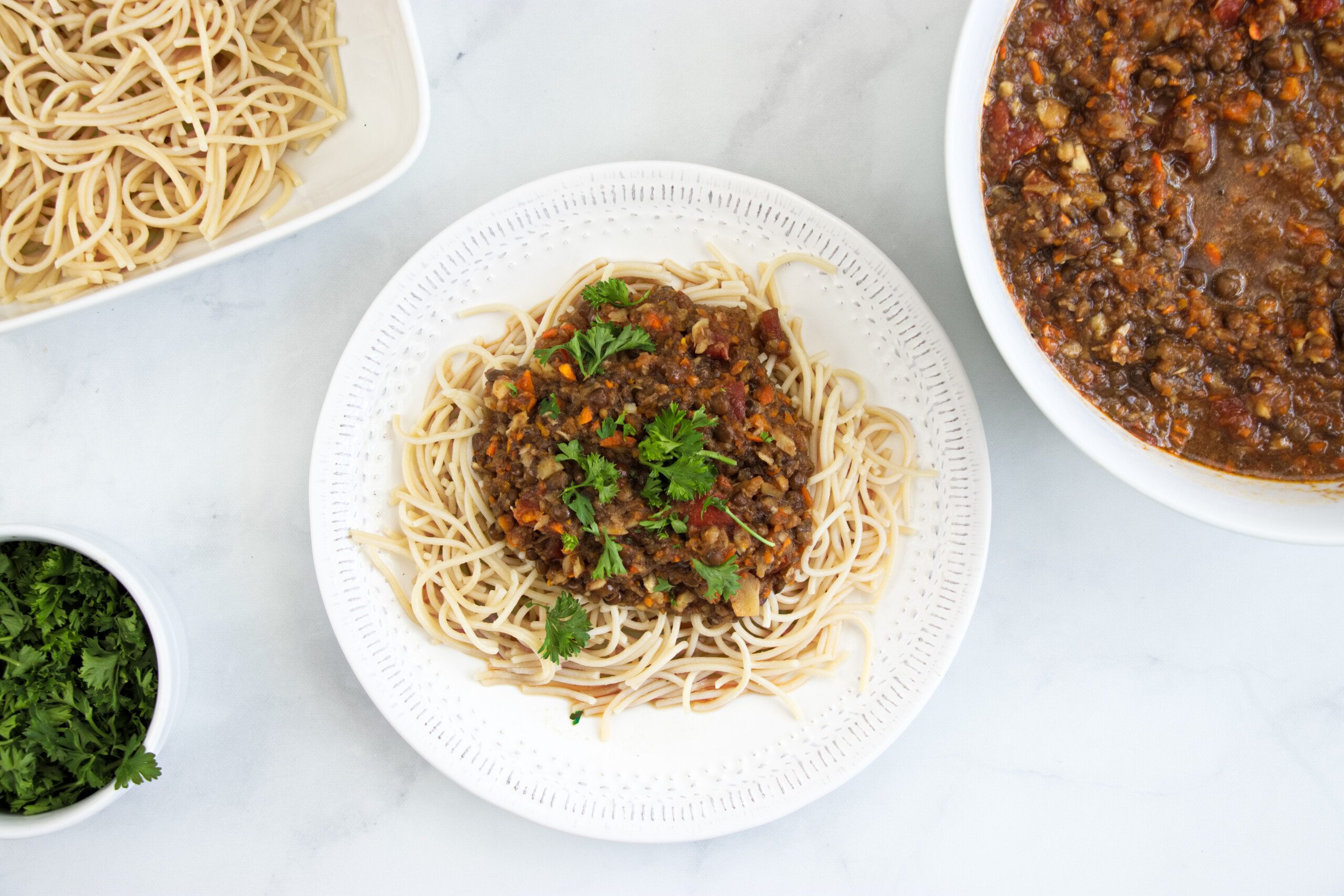
Halve a few bell peppers and steam them in the microwave. Fill the bell pepper halves with your Bolognese sauce and top with cheese for a delicious lunch.
Or spread the sauce on flatbread, add cheese, and bake until bubbly for a quick Bolognese flatbread.
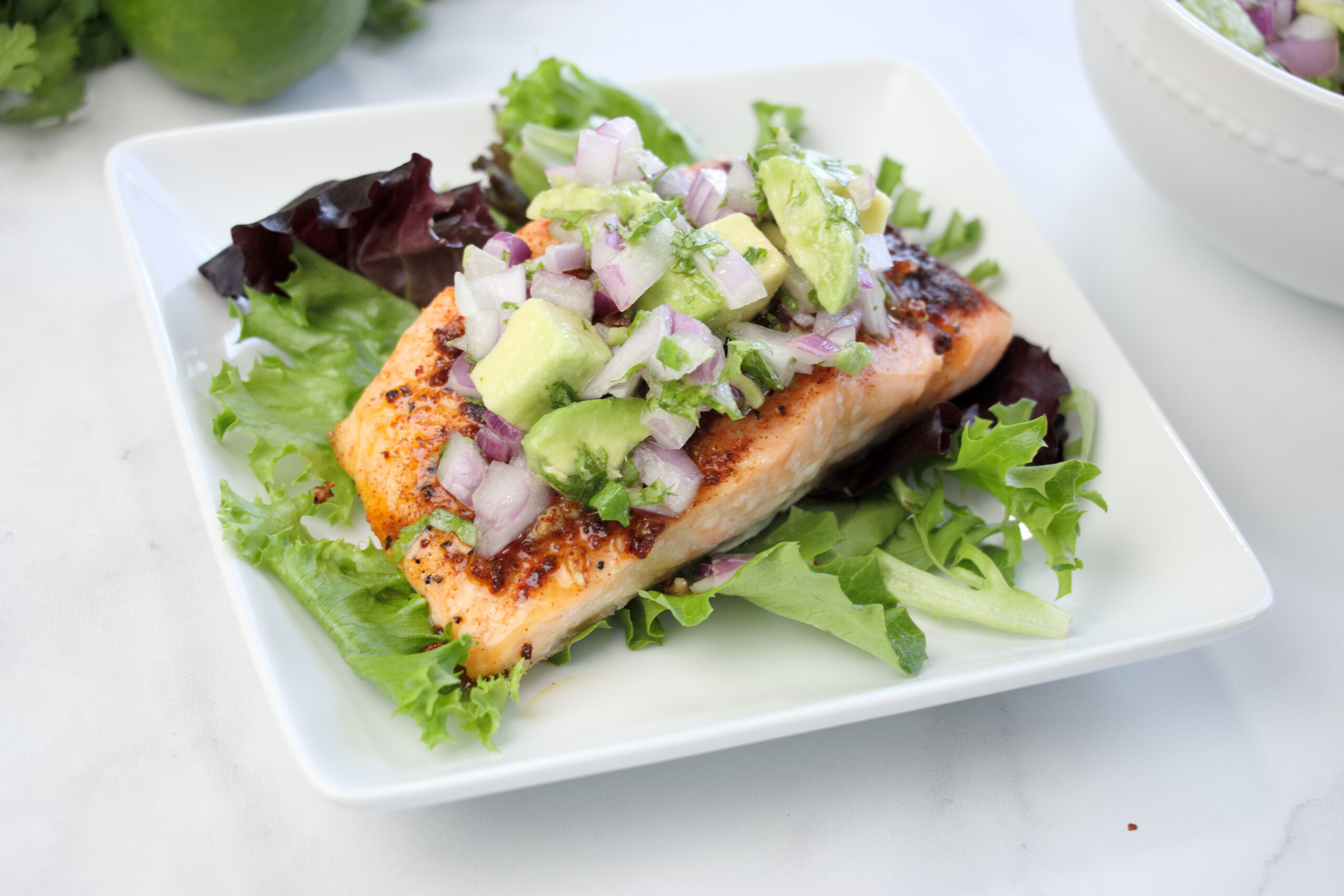
Avocado Lime Salmon
Pan-seared salmon with a bright avocado lime topping makes a flavorful dinner. Get the recipe here.
Lunchbox remix:
Flake leftover salmon into tacos with avocado topping, lettuce, and cheese.
Toss salmon with greens, tomatoes, cucumber, and olive oil for a fresh salmon and avocado salad.
Quick and Easy Lunchbox Tips for Busy Families
You don’t need to reinvent the wheel each day. Here are some smart tips to make lunch packing a breeze during the busy school season:
Plan ahead: Design dinners that easily turn into lunches to cook once and eat twice.
Batch prep basics: Cook grains, roast veggies, or prep proteins in larger quantities.
Use versatile ingredients: Ingredients like chicken, tofu, and salmon work well in wraps, bowls, and salads.
Get the family involved: Let kids pick one dinner and lunch combo each week because they’re more likely to eat what they helped create.
Pack smart: Use containers with compartments or small reusable containers for sauces and toppings.
The Takeaway: Simplify Meals Without Sacrificing Nutrition
Meal planning with a Dinner to Lunchbox mindset simplifies your routine, reduces mealtime stress, and keeps your family fueled with nourishing food. It’s a practical strategy that helps you maximize your time and budget while delivering variety and balance.
Want more ideas tailored just for you? Book a Clarity Call with us to create a personalized plan that fits your family’s needs and lifestyle. Let’s make healthy eating easy, enjoyable, and totally doable this school year.
This is fresh, zesty, and ready in under 20 minutes. Tender, perfectly seasoned salmon bakes while you toss together a bright topping of creamy avocado, crisp red onion, fresh cilantro, and a squeeze of lime.The result? A simple, heart-healthy meal packed with protein, healthy fats, and bold flavor. No fuss, no fancy steps, just real-food goodness.
This is a hearty, plant-powered twist on a classic. This recipe layers earthy porcini mushrooms, fresh veggies, and lentils for satisfying combo of protein and fiber. Roasted on a single pan for easy cleanup, it’s rich in flavor thanks to garlic, tomato paste, and a splash of soy sauce.Serve it over spaghetti squash or protein pasta for a balanced, veggie-forward meal that makes leftovers easy.
Cover porcini mushrooms with 1 cup of very hot water and steep for at least 15 minutes. Drain and reserve broth.
Prepare vegetables according to directions.
Pulse vegetables one at a time in your food processor until finely chopped. Add to a large mixing bowl.
Stir in pressed garlic and canned tomatoes.
Whisk together olive oil, tomato paste, soy sauce, and reserved mushroom broth. Pour over vegetables and toss to coat.
Spread vegetables in a parchment-lined roasting pan with sides and place in oven and roast, stirring once, for 30-40 minutes.
Stir in lentils and as much vegetable broth as needed to achieve the desired consistency.
Remove from oven and let cool before storing in a glass dish with lid. The sauce can be stored for up to 4 days in the refrigerator.
Serve sauce over spaghetti squash, cauliflower rice, zucchini noodles, or another base of choice.
Notes
Macro Breakdown (per serving): Calories: 358 | Protein: 12g. | Carbohydrates: 48g (including 14g fiber, 15g natural sugars) | Fat: 14.4g (only 2g saturated). This meal is high in fiber and plant-based protein, making it a filling, balanced option that supports blood sugar balance and keeps you satisfied longer.Protein goals? Serve this with 1/2 cup of Protein+ pasta by Barilla for 10 more grams of protein.
Fermented foods are having a moment… popping up everywhere from farmers markets to fancy grocery aisles. But what’s the real deal? Fermentation isn’t just about tangy flavors and funky textures—it’s a natural process that can boost your gut health, support your immune system, and even influence your mood. In this article, we’ll break down what fermentation is, explore the potential health benefits backed by science, and share simple ways to add these nourishing foods into your diet without overwhelm. Let’s get curious and see if fermented foods deserve a spot on your plate.
What is fermentation?
When it comes to your food, fermentation brings unique flavors combined with amazing benefits for your health and wellness. Fermentation is a naturally occurring process that involves breaking down food substances with the help of beneficial bacteria, yeast, or even fungi. The microbes consume sugars and other compounds in the food, resulting in byproducts like organic acids, gases, and alcohol. This process not only imparts unique flavors but also preserves the food, extending its shelf life.
Probiotics are the beneficial bacteria introduced or generated during fermentation.
Enzymes are proteins that speed up chemical reactions, aiding in digestion.
Preservation is the acidic or alcoholic environment created by fermentation that deters spoilage.
But what’s truly compelling are the functional benefits. The fermentation process enriches the food with probiotics and digestive enzymes that can have a myriad of health benefits.
What are the health benefits of fermented foods?
Improved Gut Health
Your gut is not just a digestive organ. It’s a complex ecosystem teeming with trillions of microbes. Probiotics found in fermented foods contribute to this ecosystem, aiding in digestion and nutrient absorption. They also out-compete harmful bacteria, maintaining a balanced gut microbiome, which is crucial for overall health.
Immune Support
Did you know that 70-80% of your immune system resides in your gut? That’s right! By enhancing gut health, probiotics play a crucial role in fortifying your immune system. Several studies indicate that a healthy gut microbiome can help fend off pathogens and reduce the frequency of infections.
Reduces Inflammation
Inflammation is a natural defense mechanism, but chronic inflammation can lead to various diseases. Probiotics and other bioactive compounds in fermented foods have anti-inflammatory properties that can help manage conditions like arthritis and even heart disease.
Helps Regulate Blood Sugar
Research suggests that a balanced gut microbiome may have a role in managing blood sugar levels. Fermented foods like kefir and yogurt are shown to have a stabilizing effect on blood sugar, which can be particularly beneficial for people with diabetes.
Mood Booster
The gut-brain axis is a hot topic in scientific research. A balanced gut microbiome may impact neurotransmitters and mood-regulating hormones, potentially acting as a natural mood enhancer.
What are the types of fermented food?
If you’re new to the world of fermented foods, you’re in for a treat. From sauerkraut to kombucha, there’s likely a fermented food that suits your palate. Here are some popular options to explore.
Kimchi: A traditional Korean dish made of fermented vegetables, commonly cabbage, with a mix of seasonings.
Sauerkraut: German for “sour cabbage.” Unlike cabbage packed in vinegar, this fermented version consists of finely chopped cabbage fermented by lactic acid bacteria.
Yogurt: Fermented milk products enriched with beneficial bacteria.
Kefir: A fermented milk drink, similar to yogurt but with a thinner consistency.
Tempeh: A fermented soy product that is a good source of complete protein.
Miso Paste: A Japanese seasoning made from fermented soybeans.
Kombucha: A fizzy drink made by fermenting sweetened tea with a symbiotic culture of bacteria and yeast.
Pickles: Fermented cucumbers in a brine of water, salt, and spices.
How to add more fermented foods to your diet: slow and steady.
Fermented foods can help your gut thrive, but if you’re new to them, more isn’t always better, at least not right away. Start small: try a forkful of sauerkraut, a spoonful of yogurt, or just a sip or two of kombucha. Keep the serving small and repeat it daily for a week or two so your gut bacteria can ease into the change. When that feels good, slowly increase your serving or try adding a new fermented food. Some mild gas is normal at first, but if bloating gets uncomfortable, back off and take it slower. A gentle approach helps your gut adapt, so you get all the good bugs without any big belly drama.
3 Simple Recipes You Can Make With Fermented Foods
Simple Kimchi Stir-Fried Rice
Ingredients:
2 cups cooked jasmine or basmati rice (preferably day-old)
1 cup kimchi, chopped
1 tablespoon kimchi juice
2 eggs, beaten
1 small onion, diced
2 green onions, sliced
1 tablespoon soy sauce
1 tablespoon sesame oil
1 teaspoon olive oil
Instructions:
Heat olive oil in a skillet over medium heat. Add the diced onion and sauté until translucent.
Add the chopped kimchi and kimchi juice. Stir-fry for 2-3 minutes.
Push the kimchi mixture to the side and pour the beaten eggs into the skillet. Quickly scramble the eggs.
Add the day-old rice to the skillet. Stir to combine all the ingredients.
Drizzle in the soy sauce and sesame oil, stirring to mix well.
Garnish with sliced green onions.
Greek Yogurt Veggie Dip
Ingredients:
1 cup Greek yogurt
1 clove garlic, minced
1 tablespoon lemon juice
1 tablespoon chopped dill
1 tablespoon chopped parsley
Salt and pepper to taste
Instructions:
In a bowl, mix the Greek yogurt, minced garlic, and lemon juice.
Stir in the chopped dill and parsley.
Season with salt and pepper to taste.
Chill for at least one hour to let the flavors come together.
Serve with raw vegetables or as a tangy spread for sandwiches.
Kombucha Vinaigrette
Ingredients:
1/4 cup kombucha (any flavor – we love raspberry]
1/4 cup extra-virgin olive oil
2 tablespoons apple cider vinegar
1 teaspoon Dijon mustard
1 teaspoon honey or maple syrup
Salt and pepper to taste
Instructions:
In a jar with a lid, combine the kombucha, olive oil, apple cider vinegar, Dijon mustard, and sweetener.
Seal the jar and shake vigorously until well combined. (Be careful when opening.)
Season with salt and pepper to taste.
Enjoy with leafy greens or drizzle over protein for some zing.
Let’s Connect!
Do you need more guidance on improving your health with food? If you want a personalized and more detailed nutrition plan based on your health, lifestyle, and goals, connect with our team at Well Balanced Nutrition to get started on a plan that truly works for you.
If you’re aiming for improved fitness, energy levels, or overall well-being, proper nutrition is your secret weapon. Fueling your body with the right nutrients can make a huge difference in how you feel, perform, and age. Let’s dive into some simple strategies that can help optimize men’s health and wellness.
Embrace Whole Grains and Fiber
Fiber is a powerhouse nutrient that you don’t want to miss out on. It helps maintain a healthy gut, stabilizes blood sugar, and lowers cholesterol. The USDA recommends that men up to age 50 aim for 38 grams of fiber per day. After age 50, the target drops slightly to 30 grams daily.
When possible, opt for whole grains like brown rice, quinoa, oats, and whole-wheat bread instead of refined grains like white rice and white bread. Beans and legumes are also excellent sources of fiber and offer a boost of plant-based protein, too. Filling half your plate with fruits and vegetables is another easy way to increase your fiber intake, but more on that next.
Try this: Incorporate ½ cup of cooked beans into meals to add approximately 6-8 grams of fiber and 7–9 grams of protein, all while keeping fat content low.
Load Up on Colorful Fruits and Veggies
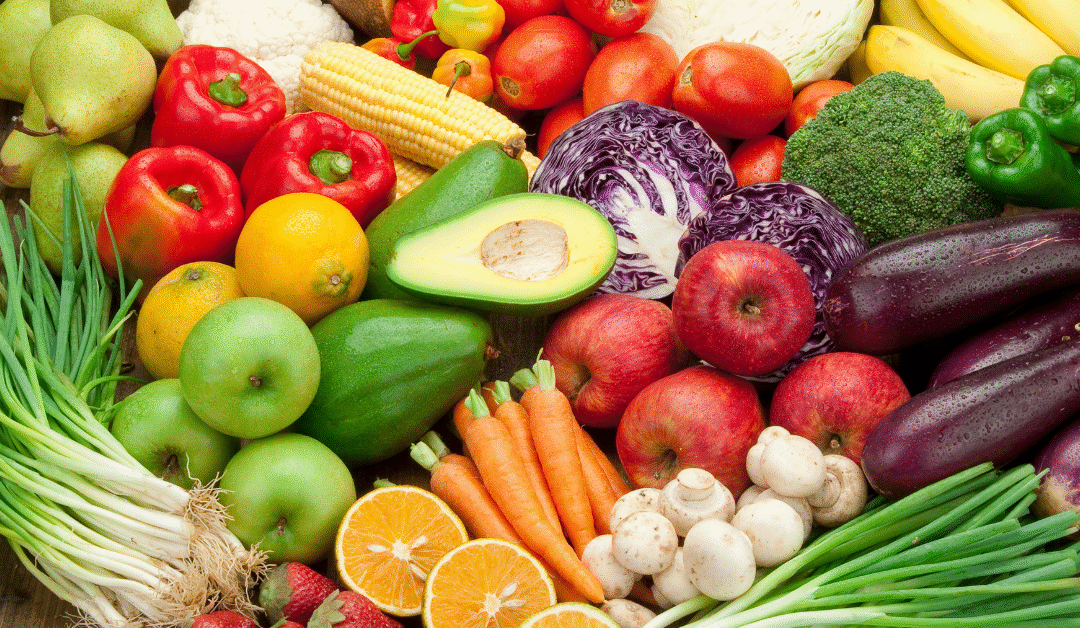
When it comes to fruits and vegetables, the more colorful your plate, the better! A variety of colorful produce ensures that you’re getting a broad range of nutrients and antioxidants, which can help reduce the risk of chronic diseases and improve overall vitality. Aim for a mix of red, orange, yellow, green, blue, and purple fruits and vegetables to maximize your health benefits.
Make it a goal to fill half your plate with vegetables at lunch and dinner to boost micronutrient intake, support digestion, and enhance brain and heart health.
Go Red for Prostate Health
You’ve probably heard of Lycopene, right? It’s a powerful antioxidant that is connected with prostate health, and you can find it in tomatoes, red bell peppers, watermelon, grapefruit, guava, and papaya. Incorporating these red and pink fruits and veggies is a great choice for men, specifically.
Support Muscles and Metabolism
Protein for Strength and Health: What Men Need to Know
Protein is essential for muscle repair, growth, and overall body function, and it’s especially important for men who are active. Aim to include a source of lean protein with every meal, such as chicken, fish, turkey, eggs, beans, or tofu.
Snack Tip: If you’re strength training, refuel with a small protein-rich snack—like Greek yogurt or a protein smoothie—within 30–60 minutes post-workout to aid muscle recovery.
Be sure to balance protein intake with enough water, fiber, and whole foods. Prioritize quality sources, spread intake throughout the day, and pair with plants to support digestion and overall health.
Magnesium: Small Mineral, Big Impact
Hot Tip: In addition to protein, magnesium plays a big role in muscle function, blood sugar management, sleep quality, plus bone and brain health. Getting enough magnesium from food can lower blood pressure and diabetes risk. Some of the best sources include nuts and seeds, legumes, and whole grains.
Don’t Fear Fat: It’s Essential
Contrary to what the low-fat trends of the 1990s suggested, fat is an essential part of a balanced diet. It supports heart health, brain function, and the absorption of vitamins A, D, E, and K.
The type and amount of fat matter. Choosing healthy fats (unsaturated fats) in place of saturated fats can support heart health and overall wellness.
Sources of healthy fats include avocado, olive oil, nuts, seeds, and fatty fish such as salmon or mackerel. Fatty fish and nuts are rich in Omega-3s—powerful fats that reduce inflammation, protect the heart, and improve male fertility.
Try this: Use olive oil or avocado oil when cooking. It’s an easy change that can shift the balance of healthy fats in your diet and have an impact on your health.
Hydration for Optimal Performance
Staying hydrated is an often-overlooked piece of feeling great, performing your best, and supporting your health. Dehydration can lead to fatigue, headaches, and decreased concentration, so make it a habit to drink plenty of water throughout the day. The typical recommendation is to drink about 8-10 cups of water a day, but you might need more or less depending on your activity level and environment (temperature, humidity, altitude, and season). In general, water is the best way to stay hydrated, but if you are active and sweating a lot for hours in a very hot environment, you may be losing essential electrolytes like sodium and potassium, and rehydration may need to involve more than just plain water.
Carry water with you: Carry a water bottle with you to remind yourself to hydrate regularly. If plain water doesn’t excite you, try adding a splash of lemon or cucumber for a refreshing twist. You can also consider a water enhancer or electrolyte packet.
Foods can be hydrating too. Liquids in soups or foods like watermelon and tomatoes are a great way to meet your hydration goals beyond the typical water bottle solution.
Stay healthy, stay strong, and fuel your body for success!
When it comes to men’s health, nutrition plays a crucial role in helping you live a longer, healthier life. By focusing on lean protein, healthy fats, whole grains, fruits, vegetables, and staying hydrated, you can fuel your body to perform at its best.
Other vitamins and minerals playan important role in your personalized health goals for your current season of life – our dietitians can help create a plan to incorporate these foods into your life to support your goals. With a little commitment and consistency, you’ll be on your way to wellness in no time!
To provide the best experiences, we use technologies like cookies to store and/or access device information. Consenting to these technologies will allow us to process data such as browsing behavior or unique IDs on this site. Not consenting or withdrawing consent, may adversely affect certain features and functions.
Functional
Always active
The technical storage or access is strictly necessary for the legitimate purpose of enabling the use of a specific service explicitly requested by the subscriber or user, or for the sole purpose of carrying out the transmission of a communication over an electronic communications network.
Preferences
The technical storage or access is necessary for the legitimate purpose of storing preferences that are not requested by the subscriber or user.
Statistics
The technical storage or access that is used exclusively for statistical purposes.The technical storage or access that is used exclusively for anonymous statistical purposes. Without a subpoena, voluntary compliance on the part of your Internet Service Provider, or additional records from a third party, information stored or retrieved for this purpose alone cannot usually be used to identify you.
Marketing
The technical storage or access is required to create user profiles to send advertising, or to track the user on a website or across several websites for similar marketing purposes.