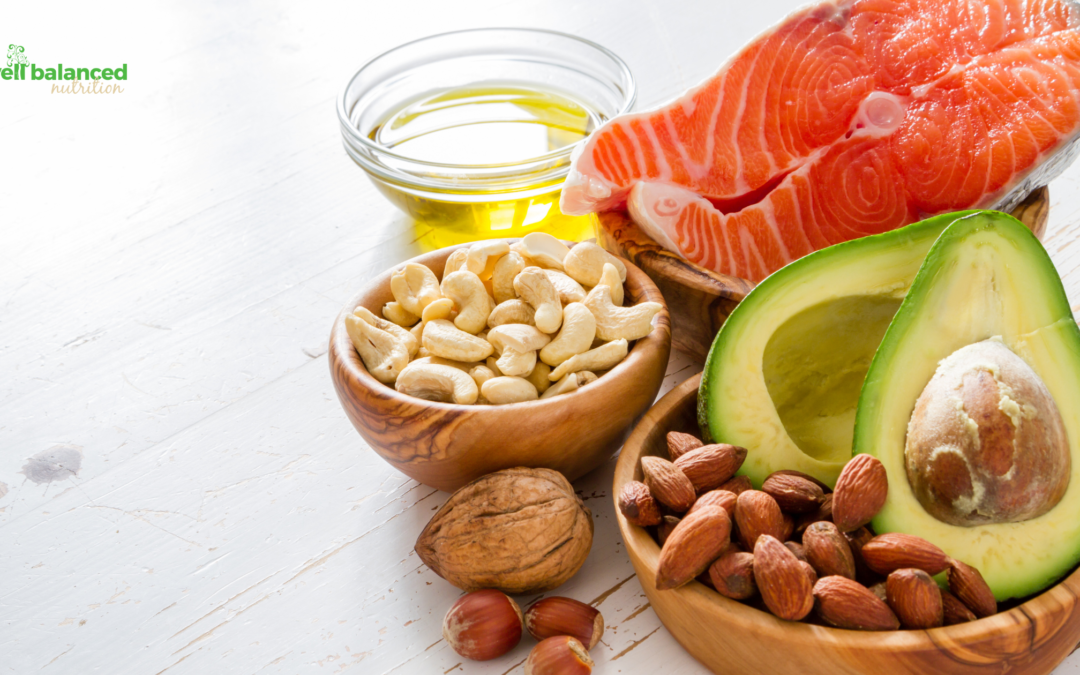
Have you been told to follow an anti-inflammatory diet to improve your health, and wondered about two things?
- Can a healthy diet really reduce inflammation?
- How do I follow an anti-inflammatory diet?
The answer to the first one is yes! Available evidence tells us that a healthy diet can meaningfully reduce chronic inflammation, especially when it follows a Mediterranean‑style, plant‑forward pattern. We’ll break down what that means with 3 simple ways to start an anti-inflammatory diet, but let’s briefly define inflammation first.
What Is Inflammation (And When Is It a Problem?)
Inflammation is your body’s natural defense system, and understanding it is the first step in learning how to reduce inflammation with diet. It helps fight infections, heal injuries, and keep you healthy.
Inflammation becomes a hidden threat when it sticks around long after it’s needed. This is referred to as chronic low‑grade inflammation, and it can be quietly damaging tissues and disrupting normal body functions over months or even years.
Chronic inflammation is a driving force behind disease development and progression. It’s linked to conditions like heart disease and diabetes to cancer, dementia, and autoimmune conditions. It also accelerates aging, contributing to frailty, bone loss, muscle decline, and overall decline in organ function.
The encouraging news is that diet and lifestyle play a powerful role in inflammation—and they’re factors you can control.
How Diet and Lifestyle Affect Inflammation
Chronic inflammation can be influenced by several lifestyle factors, including:
- Nutrient-poor diet high in ultra-processed foods
- Chronic stress
- Poor sleep
- Lack of physical activity
- Smoking or excessive alcohol intake
While all of these factors matter, we’ll focus on practical, consistent actions you can take to improve your nutrition. You don’t need a complete overhaul—just a few intentional shifts can make a meaningful difference over time. Here are three evidence-based ways to help decrease inflammation with food.
Three Simple Ways to Start an Anti-Inflammatory Diet
1. Eat More Antioxidant-Rich Foods
Antioxidants help calm inflammation in two ways. First, they neutralize harmful molecules called free radicals. When too many of these accumulate, they can damage cells and trigger inflammation.
Second, they flip off the switches that tell the body to stay inflamed, while turning on the switches that protect our cells and keep them healthy.
Plant foods rich in antioxidants
- Berries
- Citrus fruits
- Leafy greens
- Sweet potatoes
- Tomatoes
- Bell peppers
- Broccoli and Brussels sprouts
- Nuts and seeds
- Turmeric, cinnamon, oregano, thyme, cloves
- Green tea, black tea, coffee, cocoa, hibiscus tea
Antioxidants come in many forms, and each type protects your body in a slightly different way. A combination of antioxidants from a variety of plant foods is more effective than a large amount of just one type.
Nutrition Challenge: Boost your body’s defenses by including multiple plants at each meal.
Recipes like this antioxidant-rich smoothie can make it easier to add plant foods to your routine:
→ Healthy Chocolate Fudge Smoothie
2. Eat Foods High in Omega-3 Fatty Acids
Higher omega‑3 intake has been linked to lower inflammation in the body. Omega-3 fats work in a few ways: they help your body make compounds that calm inflammation instead of fueling it, and they also support molecules that actively help your body resolve inflammation and repair tissues. Essentially, eating more omega‑3s shifts your body’s chemistry toward a calmer, healthier state.
Marine sources:
- Salmon
- Sardines
- Mackerel
- Trout
A simple way to include these nutrients is a quick salmon dinner like this one:
Daily Goal:
- 250–500 mg of EPA + DHA for general health (about 1–2 servings of oily fish per week or a standard supplement)
- 1.5–2 g if aiming to reduce inflammation (3.5–5 ounces of oily fish daily or a mix of fish and supplements)
- Keep supplementation under 3 g unless advised by a professional
Mercury Tip: Choose low-mercury fish like salmon, sardines, trout, or anchovies. Brands like Safe Catch test for mercury so you can eat fish safely every day.
3. Eat To Support a Healthy Gut
A healthy, balanced gut microbiome can send anti-inflammatory signals to your body. One of the most effective ways to support a healthy gut is by eating a variety of fruits, vegetables, whole grains, and legumes. The fiber in these foods acts as a prebiotic, feeding beneficial bacteria so they can flourish, strengthen the gut lining, and keep harmful bacteria and toxins from entering your bloodstream.
On the other hand, research shows that diets high in sugar, saturated fat, alcohol, salt, and emulsifier-rich ultra-processed foods, especially when paired with low fiber intake, are linked to a weakened gut barrier and reduced beneficial bacteria. When this occurs, local and whole-body inflammation can follow.
Simple meals, such as overnight oats, can support gut health while providing steady energy.
→ Raspberry Hemp Overnight Oats
Those with IBS or IBD may want to think twice about increasing their prebiotic/fiber intake. If you are already having severe gastric distress and symptoms, talk to your dietitian or doctor about the right amount and types of fiber for you.
Foods That May Increase Inflammation
Reduce the following foods
- Refined carbohydrates such as white bread, white pasta, French fries, and sweet baked goods.
- Foods and beverages high in added sugar or artificial additives
- Processed meats like hot dogs, bacon, and deli meats
- Fast food
- Highly processed packaged foods
Do You Need to Eliminate Gluten, Dairy, or Soy?
Some people may notice symptoms after eating certain foods like gluten, dairy, soy, or eggs. These reactions are highly individual, and eliminating foods without guidance isn’t always necessary. The goal is to discover what supports your body and what triggers discomfort so you can enjoy as much variety as possible in your diet. One of our dietitians can guide you and support you in this process.
The Big Picture
Reducing inflammation with food does not require a perfect diet. Elimination of entire food groups is not always necessary either. Instead, focus on simple habits:
- Meal plan and eat more food from home
- Include a variety of colorful plant foods in your meals and snacks
- Eat omega-3-rich fish at least twice a week
- Limit ultra-processed foods, fast foods, and excess sugary foods/drinks
Small, consistent changes can help support a healthier inflammatory response and improve long-term health.
Want Personalized Help Reducing Inflammation?
Everyone’s body responds differently to food. If you are experiencing digestive symptoms, chronic inflammation, or metabolic concerns, personalized nutrition guidance can make a big difference.
Learn more about working with a dietitian at Well Balanced Nutrition.