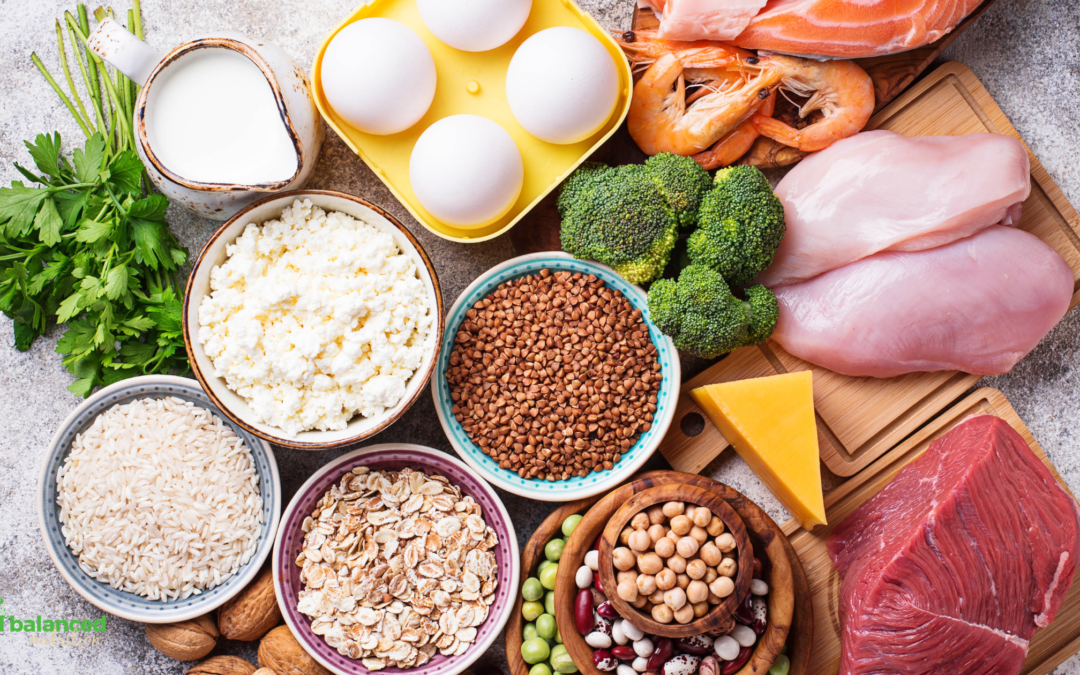
Why can’t protein be as easy to eat as carbs?
A bagel disappears in minutes, but halfway through a chicken breast, and suddenly you are full.
If you are trying to eat more protein and keep ending meals feeling stuffed, frustrated, or both, this guide is for you. We will show you how to get more protein at every meal without overeating.
Before we dive in, one important thing to know: this struggle is normal. Protein is more filling than carbohydrates because it slows digestion and has a stronger effect on satiety hormones. That means your body is doing exactly what it is supposed to do. The goal is not to force more food, but to be more strategic about where protein shows up on your plate.
Strategy 1: Anchor your meal with a protein-dense food
Choosing protein-dense foods allows you to hit meaningful protein targets per meal, roughly 20 to 35 grams for most adults, while keeping calories in check.
What do we mean by protein-dense? Protein density is essentially how “efficient” a food is at delivering protein without a whole lot of extra energy. A simple rule of thumb is this: a food can be considered protein-dense if it provides more grams of protein than grams of carbohydrates and fat.
For example, a 4-ounce chicken breast is protein-dense because it provides about 30 grams of protein, 3.5 grams of fat, and 0 carbohydrates. You get a large protein payoff without needing a large portion. You also have a lower calorie amount because the chicken breast has very few calories coming from fat, and 0 from carbs.
Anchoring your meal this way prevents the common mistake of trying to add protein on top of an already full plate.
Protein-dense foods
These foods deliver a high amount of protein for relatively few calories and less overall volume. They make it easier to hit protein needs without feeling overly full.
- Chicken breast
- Turkey breast
- Fish such as salmon, tuna, cod, or tilapia
- Shrimp
- Eggs and egg whites
- Greek yogurt (especially strained or nonfat)
- Cottage cheese
- Tofu and tempeh
- Lean ground beef or pork
- Protein powders or ready-to-drink protein shakes
Common protein foods that are not protein-dense
These foods contain protein, but also come with more carbohydrates, fat, or volume. They can absolutely fit into meals, but they are harder to rely on as your main protein anchor.
- Beans and lentils
- Nuts and nut butters
- Seeds
- Cheese
- Whole Milk
- Whole grains such as quinoa, farro, or oats
- Regular pasta or bread
- Hummus
Strategy 2: Add protein boosters strategically
Once you anchor your meal with a protein-dense food, you can build out your plate with foods that support your other goals while quietly boosting protein.
Protein boosters include lentils, beans, nuts, seeds, cheese, and dairy based sauces or dips. These foods may not be protein-dense on their own, but they add up when paired thoughtfully.
Combo foods are especially helpful here. Beans, lentils, and higher protein grains can serve as your carbohydrate source while also contributing to your protein total. This allows you to meet protein needs without eating more food overall.
Strategy 3: Utilize modified foods and beverages
With growing awareness around protein needs, food companies have responded with more options. Think protein pasta, strained Greek yogurts, ultra-filtered milk, and higher protein breads or wraps.
These foods are not “better” than whole foods, but they can be incredibly helpful tools. They allow you to increase protein without increasing volume, which is key if you already feel full quickly.
For many people, swapping a regular version for a higher protein option feels much easier than adding another serving of meat or eggs to a meal.
Strategy 4: Start protein earlier in the meal
Many people save protein for last without realizing it. By the time they get to it, they are already full.
Starting your meal with protein or making protein the first few bites can make a noticeable difference. This simple shift helps you eat enough protein before fullness sets in, rather than trying to push through discomfort at the end of the meal.
This strategy is especially helpful at breakfast and lunch, when protein intake tends to be lowest.
Strategy 5: Adjust expectations and aim for consistency, not perfection
You do not need to hit a perfect protein number every single day. Protein needs fall within a range, and landing somewhere within that range most days is far more beneficial than chasing an exact gram target.
If you are currently eating very little protein, increasing gradually is important. Your appetite and digestion need time to adjust. Feeling full sooner at first is common and often temporary.
Progress looks like feeling satisfied for longer, having more steady energy, and noticing that protein fits into your meals more naturally over time.
Food for thought:
If eating more protein feels harder than eating carbs, it is not because you are doing something wrong. Protein is simply more filling and requires a different approach.
By anchoring meals with protein-dense foods, using modified options when helpful, layering in protein boosters, and shifting how you structure meals, you can meet your protein needs without overeating.
One small change at a time is more than enough.