Can Foods Naturally Increase GLP-1 Production?
With so much buzz about GLP-1 medications like Ozempic®, Wegovy®, or Zepbound®, you may be wondering if the claims that certain foods are “nature’s Ozempic” have any truth to them. Let’s dive in.
TL;DR
Can Foods Naturally Increase GLP-1 Production? The answer is yes, but not in the way social media often suggests.
GLP-1 (glucagon-like peptide-1) is a hormone your body naturally produces in the gut. It helps regulate blood sugar, slows how quickly food leaves your stomach, and promotes feelings of fullness after meals. While social media often highlights one “GLP-1 food” or “natural Ozempic,” the truth is much less exciting and much more sustainable. Your body releases GLP-1 in response to eating, especially when meals contain a balance of fiber, protein, and healthy fats. That’s one of the reasons we encourage clients to start with the Well Balanced Plate.
Here’s a closer look at five types of foods that may help support GLP-1 release.
Fiber-Rich Foods That Naturally Support GLP-1
Fiber slows digestion and supports gut bacteria that produce compounds involved in GLP-1 release. Choosing fiber-rich foods at meals may help your body naturally release more GLP-1 after eating while also supporting blood sugar and fullness.
Great sources of fiber include:
- Veggies: Broccoli, carrots, and leafy greens
- Fruits: Apples, berries, and pears
- Whole Grains: Oats, brown rice, and quinoa
- Legumes: Beans, lentils, and chickpeas
Well Balanced Plate Tip: When you fill half your plate with vegetables or fruit, you naturally increase fiber at meals. 🙌🏻
Protein-Rich Foods That Help Stimulate GLP-1
Protein is one of the nutrients known to stimulate GLP-1 after a meal. Including protein can help increase fullness and support appetite regulation.
Protein-rich foods include:
- Eggs
- Chicken or turkey
- Fish and seafood
- Greek yogurt
- Tofu and tempeh
- Beans and lentils
Well Balanced Plate Tip: Rather than saving protein for dinner, include a palm-sized serving of protein at breakfast, lunch, and dinner.
Healthy Fats That Support Natural GLP-1 Release
Healthy fats slow digestion and contribute to the release of satiety hormones like GLP-1. Pairing healthy fats with fiber and protein can make meals more satisfying.
Healthy fats help slow digestion and support hormone release, including GLP-1. They also make meals more satisfying.
Try incorporating:
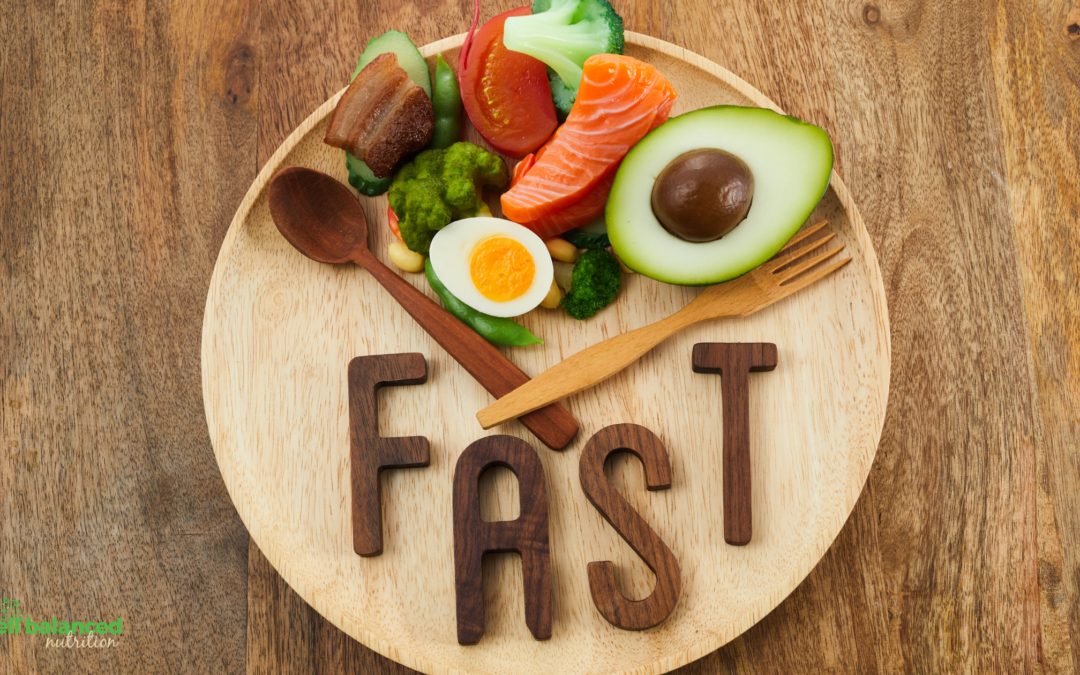
- Avocados
- Nuts and seeds
- Olive oil
- Fatty fish like salmon
Well Balanced Plate Tip: Just a small amount of healthy fat alongside fiber and protein can make meals more filling without needing to eat larger portions. 🙌🏻
Legumes: A Nutritional Powerhouse for Supporting GLP-1
Beans, lentils, and chickpeas are some of the best foods to include if you’re looking to support your body’s natural GLP-1 release. That’s because they’re packed with both fiber and plant-based protein, two nutrients that promote fullness, support healthy blood sugar levels, and encourage the release of GLP-1 after meals. They’re also digested more slowly than many refined carbohydrates, helping provide steady energy and longer-lasting satisfaction.
Try adding more legumes to your meals by enjoying:
- Black beans
- Pinto beans
- Kidney beans
- Chickpeas
- Lentils
- Edamame (soybeans)
Well Balanced Plate Tip: Beans and lentils provide both complex carbohydrates and protein. Pair them with other protein-rich foods when needed to build a satisfying, balanced plate.
Fermented Foods That May Support GLP-1
A healthy gut microbiome may play a role in GLP-1 activity. Fermented foods provide beneficial bacteria that support overall gut health, although more research is needed to understand their direct effects on GLP-1.
Examples include:
- Yogurt with live cultures
- Kefir
- Sauerkraut
- Kimchi
If fermented foods are new to you, start with small portions and gradually increase as tolerated.
The Well Balanced Plate Is Naturally GLP-1 Friendly
If you’ve noticed a pattern, you’re right. The foods that naturally support GLP-1 are the same foods we encourage through the Well Balanced Plate.
A GLP-1-supportive plate doesn’t require special powders, expensive supplements, or trendy recipes. It simply includes:
- Half your plate filled with vegetables and fruit for fiber.
- A quarter of your plate with lean protein to promote fullness.
- A quarter of your plate with whole grains or other high-fiber carbohydrates for steady energy.
- A serving of healthy fat, such as avocado, nuts, seeds, or olive oil, to increase satisfaction.
- Bonus: Include legumes regularly and add fermented foods like yogurt, kefir, sauerkraut, or kimchi when you can to support gut health.
When these foods come together on one plate, they create a meal that naturally supports your body’s GLP-1 response while also providing the nutrients you need for sustained energy, balanced blood sugar, and long-lasting fullness.
Super Simple Well-Balanced Plates That Support GLP-1 Production
- Grilled chicken, brown rice, steamed broccoli, and a drizzle of olive oil
- Hard-boiled eggs, lentils, sliced avocado, and plain kefir
- Canned salmon, quinoa, roasted zucchini, and a spoonful of sauerkraut
The Bottom Line
Despite what social media may claim, there isn’t a true “Nature’s Ozempic.” No food can replicate the effects of GLP-1 medications. However, choosing well balanced meals rich in fiber, protein, healthy fats, legumes, and other whole foods can help support your body’s own natural GLP-1 production.