Have you ever stood in your kitchen staring into the fridge thinking, “What am I supposed to eat?”
You want to make a healthy choice, but the nutrition world can feel so overwhelming. Should you eat more protein? Cut carbs? Avoid fat? Count calories? Follow the latest trend you saw online?
No wonder eating well can feel complicated!
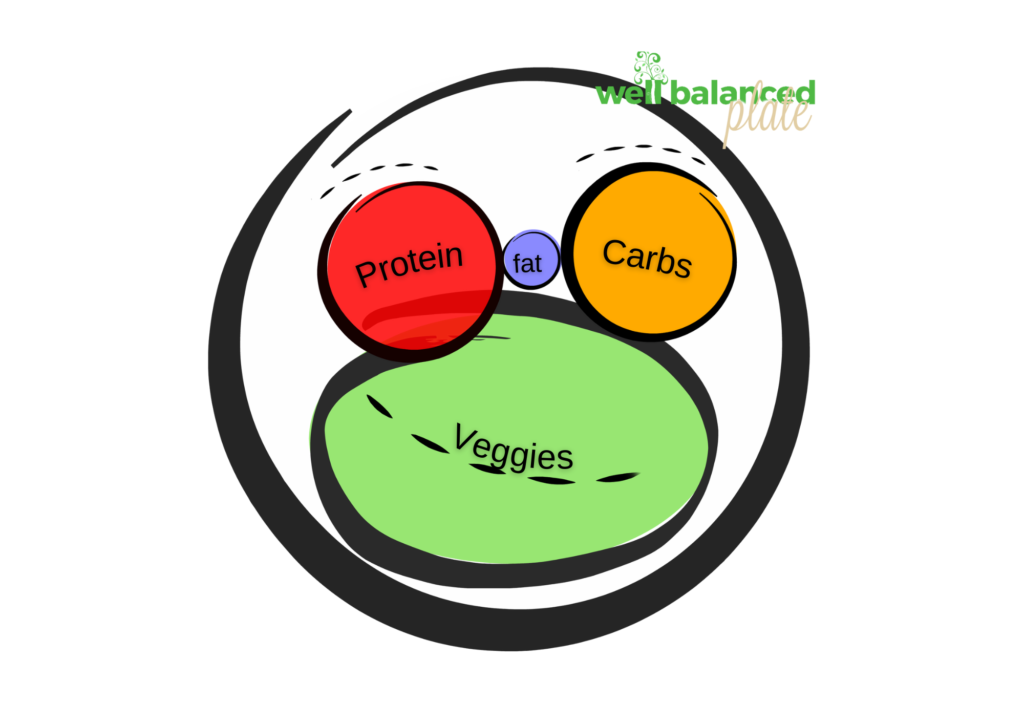
At Well Balanced Nutrition, we believe healthy eating doesn’t have to be confusing. That’s why we created the Well Balanced Plate, a simple visual guide to help you build meals that are nourishing, satisfying, and realistic for everyday life.
What Is the Well Balanced Plate?
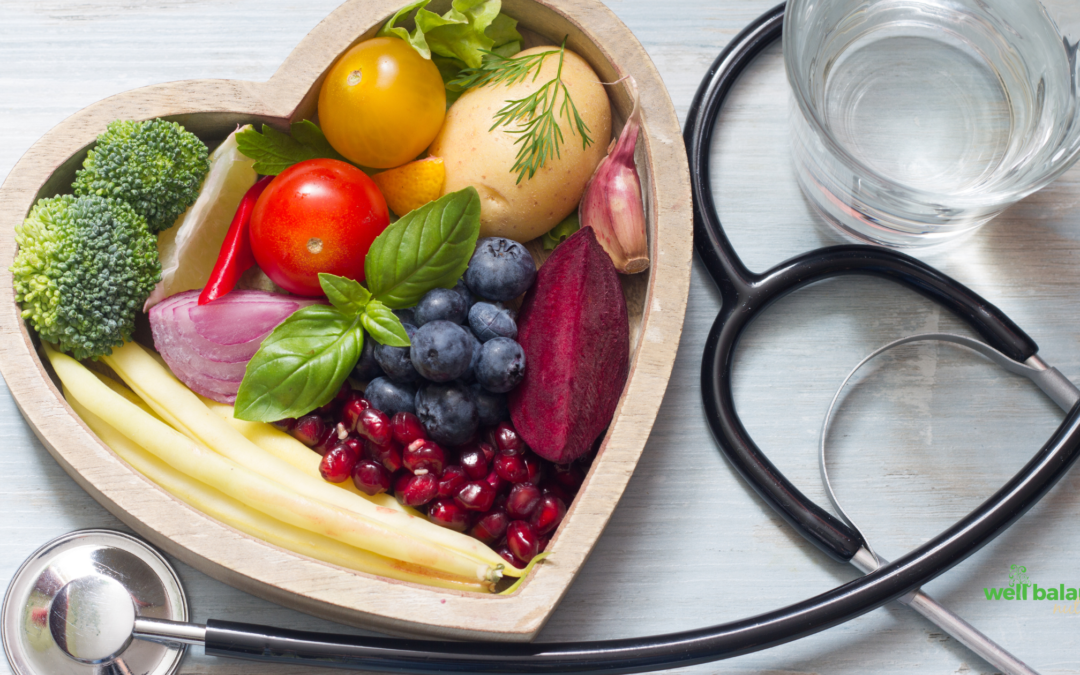
The Well Balanced Plate is a simple way to think about meals by including four important components:
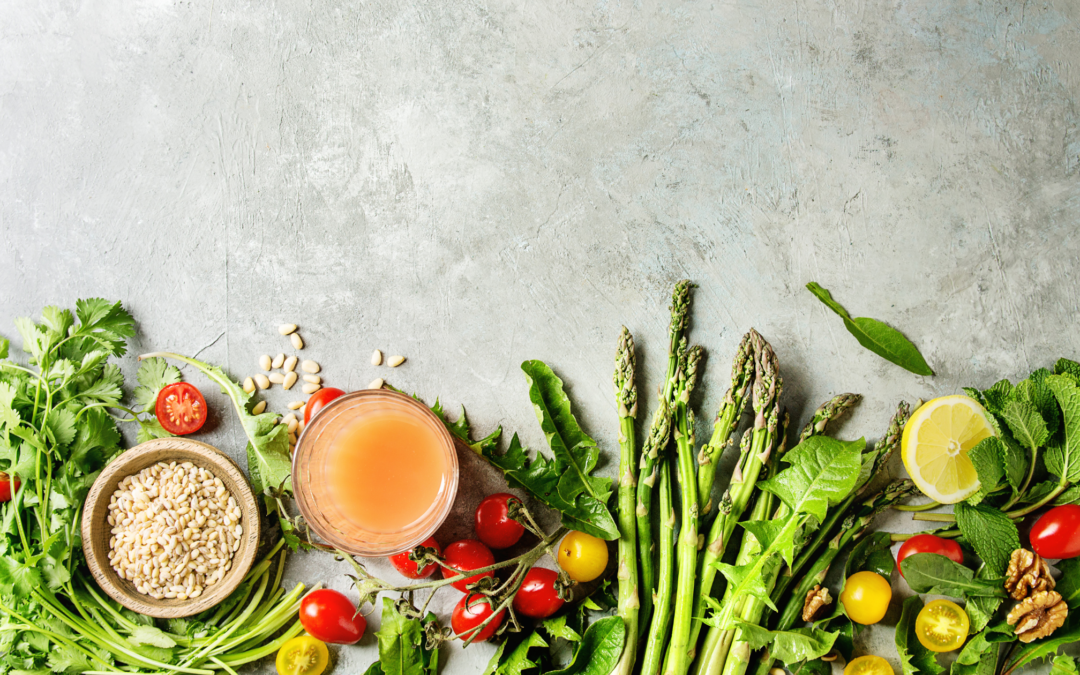
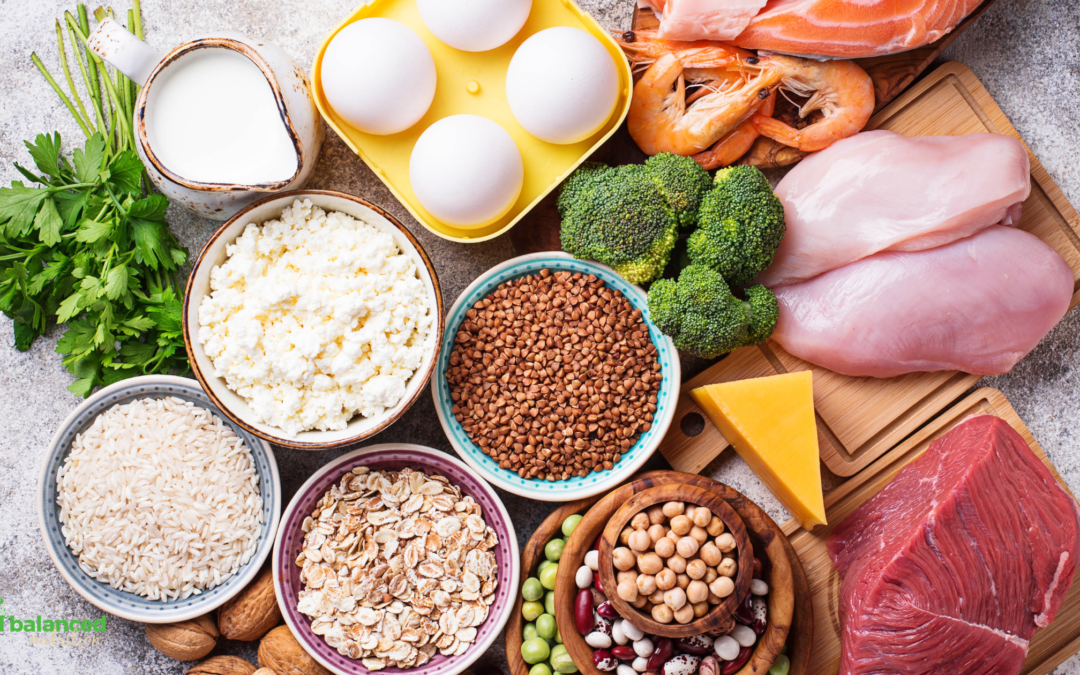
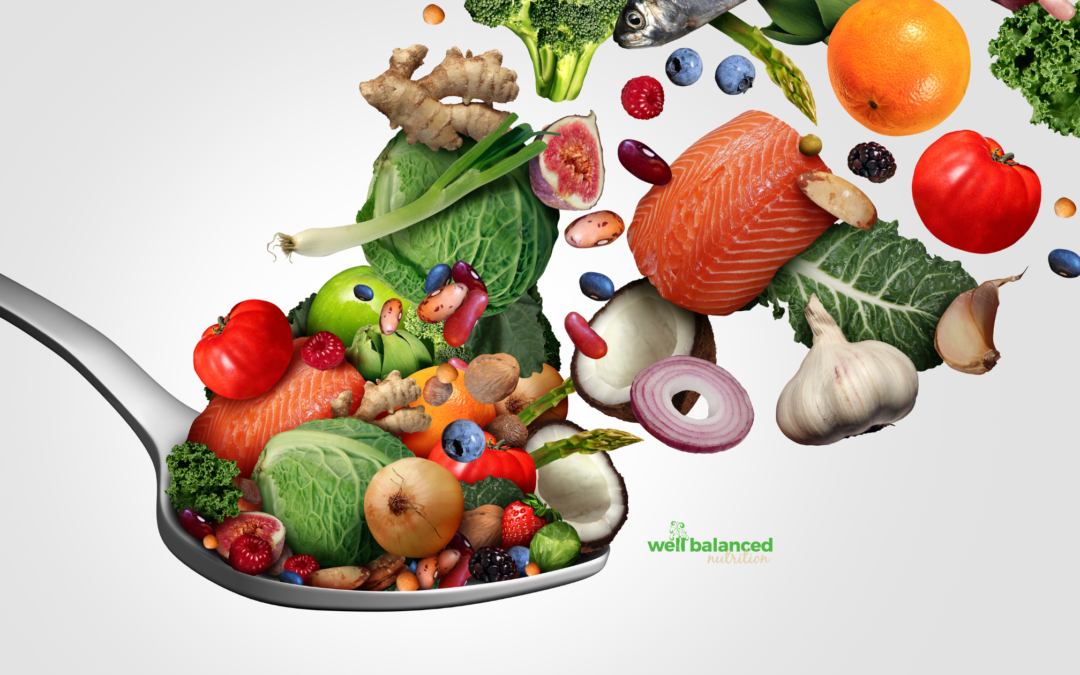
🥦 Fruits and vegetables 🍗 Protein 🌾 Complex carbohydrates 🥑 Healthy fats
When these foods come together, you create a meal that supports steady energy, satisfaction, and overall health.
The great thing about the Well Balanced Plate? It’s not a diet.
Think of the Well Balanced Plate as a guide or framework, not a strict set of rules. Your plate does not have to look exactly the same every time, and there is plenty of room for flexibility, enjoyment, and your personal preferences. It’s adaptable for any eating style or culture.
If this framework feels familiar, that’s because the Well Balanced Plate shares many similarities with top-researched eating patterns, including the Mediterranean diet, DASH diet, MIND diet, and Portfolio diet, as well as other plant-forward approaches.
These evidence-based eating patterns consistently emphasize many of the same core principles:
Eating plenty of fruits and vegetables
Choosing high-fiber carbohydrates
Including quality sources of protein
Incorporating healthy fats
Enjoying meals with flexibility and balance
Whether your favorite meals are Mediterranean-inspired, Southern comfort foods, Mexican, Asian, vegetarian, or something completely unique to your family, you can use the Well Balanced Plate as a guide to create a nourishing meal that works for you.
How to Build a Balanced Plate in 5 Steps
1. Fill Half Your Plate with Fruits and Vegetables
Fruits and vegetables are the foundation of the Well Balanced Plate. They provide important nutrients like vitamins, minerals, fiber, and phytochemicals that support everything from heart health to digestion to immune function.
Different colors provide different nutrients, so eating the rainbow is a simple way to get a variety of health-promoting nutrients.
Try:
Adding berries to your breakfast
Including a side salad with lunch
Roasting a new vegetable with dinner
Keeping frozen fruits and vegetables available for busy days
Remember: fresh, frozen, and canned fruits and vegetables can all be part of a healthy eating pattern.
2. Include Protein for Satisfaction and Strength
Protein is an important part of every balanced meal. It helps keep you feeling satisfied after eating, supports muscle health, and plays a role in many important functions throughout the body.
Many people find that adding protein to their meals helps them feel more energized and less “snacky” throughout the day.
Protein-rich options include:
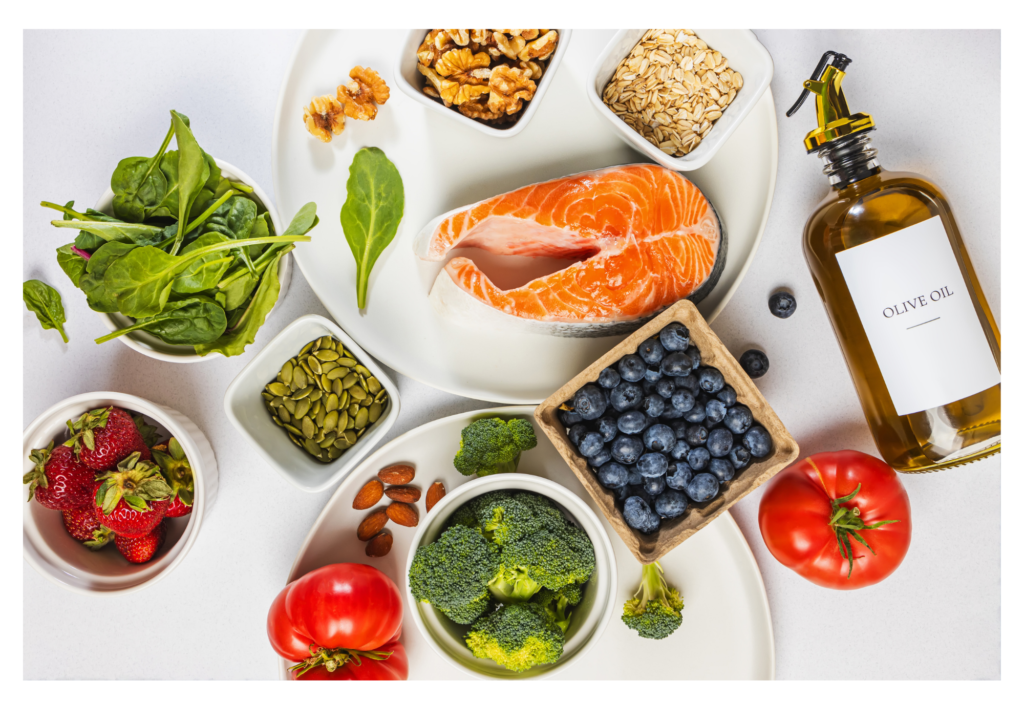
Chicken, turkey, fish, and seafood
Eggs
Greek yogurt or cottage cheese
Beans and lentils
Tofu or tempeh
A little tip: while beans and lentils are excellent sources of plant-based protein, they also provide carbohydrates and fiber. That makes them a “two-for-one” food that can fit into either the protein or carbohydrate section of your plate depending on your meal.
What is “Happy, Healthy” Protein?
When choosing protein for your Well Balanced Plate, you may also consider where your food comes from and how it was raised. Some people choose proteins that align with their values, such as animals raised with more space to move, access to the outdoors, or farming practices that prioritize animal welfare. These choices may include options labeled as pasture-raised, grass-fed, free-range, or sustainably sourced.
A “happy, healthy protein” choice is one that feels good for you, your family, and your values. This may look different for everyone and can depend on your budget, access, and personal preferences.
3. Don’t Leave Out Carbs and Choose Complex Carbs Often
Carbohydrates have gotten a bad reputation over the years, but they are an important source of energy for your body and brain.
The key is choosing “complex” carbohydrates.
Complex carbohydrates are carbohydrates that come packaged with more nutrients, including fiber, vitamins, and minerals. We call them “complex” because they have a more complex structure and take your body longer to break down. They provide more steady, lasting energy compared to more refined or highly processed carbohydrates.
Complex carbohydrate choices include:
Whole grain breads and pastas
Oats
Brown rice
Quinoa
Potatoes and sweet potatoes
Beans and lentils
Remember, carbohydrates are not the enemy. Aim for quality and the right quantity combined with the other components of the Well Balanced plate.
4. Add Healthy Fats for Flavor and Satisfaction
Fats often make a meal more enjoyable while helping your body absorb certain nutrients.
Examples include:
Avocado
Olive oil
Nuts and seeds
Nut butters
Fatty fish
A meal without fat may leave you feeling like something is missing. A drizzle of olive oil, a sprinkle of nuts, or a slice of avocado can make a big difference in both taste and satisfaction.
5. Leave some white space.
Life is busy. Between work, family, responsibilities, and everything else on your plate, it’s easy to move through the day on autopilot, including when we eat.
Leaving white space means creating small moments of pause that allow you to check in with yourself. Instead of rushing from one bite to the next, you give yourself a little room to notice what your body and mind are telling you.
This might look like:
Taking a few deep breaths before a meal
Putting your fork down for a moment during eating
Checking in halfway through a meal to notice your hunger and fullness
Asking yourself, “What do I need right now?”
Leaving white space is not about controlling your eating or making sure you always make the “perfect” choice. It is simply about creating awareness. Just like white space on a page helps important words stand out, moments of pause help you reconnect with your body’s signals, preferences, and needs.
What Does a Well Balanced Plate Look Like?
The beauty of the Well Balanced Plate is that it can look different for everyone.
A few examples:
Breakfast: Greek yogurt topped with berries, granola, and a few walnuts
Lunch: Turkey sandwich on whole grain or sourdough bread with a side salad and fruit
Dinner: Salmon with a medley of roasted vegetables and sweet potato.
Snack: Apple with peanut butter
There is no one “perfect” plate. Your meals should reflect your culture, preferences, budget, schedule, and health goals.
Balance Over Perfection
A Well-Balanced lifestyle is not created by one perfect meal.
It is created by the choices you make consistently over time.
Some days your plate may be colorful and thoughtfully prepared. Other days it may be a quick meal eaten between activities. Both can be part of a healthy lifestyle.
The Well Balanced Plate is not about restriction or following more food rules. It is about learning how to nourish your body in a way that feels good and fits your life.
Because healthy eating should help you live your best life, not take over your life.
Ready to start building your own Well Balanced Plate?“Lettuce” help! 😉
Have you been told to follow an anti-inflammatory diet to improve your health, and wondered about two things?
Can a healthy diet really reduce inflammation?
How do I follow an anti-inflammatory diet?
The answer to the first one is yes! Available evidence tells us that a healthy diet can meaningfully reduce chronic inflammation, especially when it follows a Mediterranean‑style, plant‑forward pattern. We’ll break down what that means with 3 simple ways to start an anti-inflammatory diet, but let’s briefly define inflammation first.
What Is Inflammation (And When Is It a Problem?)
Inflammation is your body’s natural defense system, and understanding it is the first step in learning how to reduce inflammation with diet. It helps fight infections, heal injuries, and keep you healthy.
Inflammation becomes a hidden threat when it sticks around long after it’s needed. This is referred to as chronic low‑grade inflammation, and it can be quietly damaging tissues and disrupting normal body functions over months or even years.
Chronic inflammation is a driving force behind disease development and progression. It’s linked to conditions like heart disease and diabetes to cancer, dementia, and autoimmune conditions. It also accelerates aging, contributing to frailty, bone loss, muscle decline, and overall decline in organ function.
The encouraging news is that diet and lifestyle play a powerful role in inflammation—and they’re factors you can control.
How Diet and Lifestyle Affect Inflammation
Chronic inflammation can be influenced by several lifestyle factors, including:
Nutrient-poor diet high in ultra-processed foods
Chronic stress
Poor sleep
Lack of physical activity
Smoking or excessive alcohol intake
While all of these factors matter, we’ll focus on practical, consistent actions you can take to improve your nutrition. You don’t need a complete overhaul—just a few intentional shifts can make a meaningful difference over time. Here are three evidence-based ways to help decrease inflammation with food.
Three Simple Ways to Start an Anti-Inflammatory Diet
1. Eat More Antioxidant-Rich Foods
Antioxidants help calm inflammation in two ways. First, they neutralize harmful molecules called free radicals. When too many of these accumulate, they can damage cells and trigger inflammation.
Second, they flip off the switches that tell the body to stay inflamed, while turning on the switches that protect our cells and keep them healthy.
Plant foods rich in antioxidants
Berries
Citrus fruits
Leafy greens
Sweet potatoes
Tomatoes
Bell peppers
Broccoli and Brussels sprouts
Nuts and seeds
Turmeric, cinnamon, oregano, thyme, cloves
Green tea, black tea, coffee, cocoa, hibiscus tea
Antioxidants come in many forms, and each type protects your body in a slightly different way. A combination of antioxidants from a variety of plant foods is more effective than a large amount of just one type.
Nutrition Challenge: Boost your body’s defenses by including multiple plants at each meal.
Recipes like this antioxidant-rich smoothie can make it easier to add plant foods to your routine:
Higher omega‑3 intake has been linked to lower inflammation in the body. Omega-3 fats work in a few ways: they help your body make compounds that calm inflammation instead of fueling it, and they also support molecules that actively help your body resolve inflammation and repair tissues. Essentially, eating more omega‑3s shifts your body’s chemistry toward a calmer, healthier state.
Marine sources:
Salmon
Sardines
Mackerel
Trout
A simple way to include these nutrients is a quick salmon dinner like this one:
250–500 mg of EPA + DHA for general health (about 1–2 servings of oily fish per week or a standard supplement)
1.5–2 g if aiming to reduce inflammation (3.5–5 ounces of oily fish daily or a mix of fish and supplements)
Keep supplementation under 3 g unless advised by a professional
Mercury Tip: Choose low-mercury fish like salmon, sardines, trout, or anchovies. Brands like Safe Catch test for mercury so you can eat fish safely every day.
3. Eat To Support a Healthy Gut
A healthy, balanced gut microbiome can send anti-inflammatory signals to your body. One of the most effective ways to support a healthy gut is by eating a variety of fruits, vegetables, whole grains, and legumes. The fiber in these foods acts as a prebiotic, feeding beneficial bacteria so they can flourish, strengthen the gut lining, and keep harmful bacteria and toxins from entering your bloodstream.
On the other hand, research shows that diets high in sugar, saturated fat, alcohol, salt, and emulsifier-rich ultra-processed foods, especially when paired with low fiber intake, are linked to a weakened gut barrier and reduced beneficial bacteria. When this occurs, local and whole-body inflammation can follow.
Simple meals, such as overnight oats, can support gut health while providing steady energy.
Those with IBS or IBD may want to think twice about increasing their prebiotic/fiber intake. If you are already having severe gastric distress and symptoms, talk to your dietitian or doctor about the right amount and types of fiber for you.
Foods That May Increase Inflammation
Reduce the following foods
Refined carbohydrates such as white bread, white pasta, French fries, and sweet baked goods.
Foods and beverages high in added sugar or artificial additives
Processed meats like hot dogs, bacon, and deli meats
Fast food
Highly processed packaged foods
Do You Need to Eliminate Gluten, Dairy, or Soy?
Some people may notice symptoms after eating certain foods like gluten, dairy, soy, or eggs. These reactions are highly individual, and eliminating foods without guidance isn’t always necessary. The goal is to discover what supports your body and what triggers discomfort so you can enjoy as much variety as possible in your diet. One of our dietitians can guide you and support you in this process.
The Big Picture
Reducing inflammation with food does not require a perfect diet. Elimination of entire food groups is not always necessary either. Instead, focus on simple habits:
Meal plan and eat more food from home
Include a variety of colorful plant foods in your meals and snacks
Eat omega-3-rich fish at least twice a week
Limit ultra-processed foods, fast foods, and excess sugary foods/drinks
Small, consistent changes can help support a healthier inflammatory response and improve long-term health.
Want Personalized Help Reducing Inflammation?
Everyone’s body responds differently to food. If you are experiencing digestive symptoms, chronic inflammation, or metabolic concerns, personalized nutrition guidance can make a big difference.
Learn more about working with a dietitian at Well Balanced Nutrition.
You truly want to feel better, eat better, and take care of yourself, but between work, family, appointments, and decision fatigue, the plan you made on Sunday barely survives until Tuesday.
“Why can’t I just be more consistent?” you think.
You are far from alone.
Here’s the good news right up front: you don’t need 100% consistency to make progress, and we think we know what’s making it feel so hard to move forward.
The Consistency Spectrum: Why Progress Isn’t All or Nothing
Instead of imagining consistency as “perfect adherence every day,” it’s more realistic to view it along a continuum:
Rarely consistent (0-24%) – healthy habits are hit occasionally or only when life is easy.
Sometimes consistent (25-59%) – You hit your goals a few times a week or most for certain meals, but not all.
Mostly consistent (60-79%) – You stick with your nutrition habits most of the time, but you have a few off days.
Highly consistent (80-90%) – You reliably hit your goals most days, but not perfectly.
Even small improvements along the spectrum matter. Moving from “rarely” to “sometimes” is progress, and realizing that matters more than you might think.
Why Perfection Is Holding You Back From Being Consistent
Of course, we want to be our best. And who wouldn’t want to be highly consistent with healthy habits? The challenge isn’t the desire; it’s the expectation that consistency has to look perfect. When we aim for 100% consistency and execution, it’s easy to fall short because life keeps happening all around us.
If our plans aren’t designed to be easy enough to execute on the hardest days, we are destined to “fall off.” One missed moment in this rigid mindset can turn into: “I already messed up, what’s the point? I’m not going to even try anymore.”
But if we scale back and focus on making progress, allowing ourselves to do something good enough more often than we do nothing at all, we can actually start moving the needle.
How Much Consistency Do You Need To See Results?
Yeah, but will “good enough” actually get me where I want to be?
This is where many people are surprised. A large nutrition coaching company analyzed results from 1,000 clients and found that 100% consistency was not needed to see real results. In fact, meaningful improvements in well-being, weight loss, waist circumference, and confidence often happened when people practiced a healthy habit anywhere from 50 to 80% of the time.
Take that in for a second. Results are possible even when things feel messy and imperfect.
Here are a few scenarios showing what this looks like in real life:
Your goal is to take a 30-minute walk 5 times a week after work. Over a month, you end up walking 12 out of 20 possible days—about 60% of the time. Each walk burns roughly 150 calories, so over the month, you’ve burned 1,800 calories just by showing up most of the time. Even though you didn’t hit your goal every day, you’re likely noticing increased energy, better mood, and improved sleep—key signals that the habit is paying off.
Or let’s say you want to cook more dinners at home instead of ordering takeout to help your wallet and your health. Over 4 weeks, you cook at home 15 out of 28 nights, ~ 54% of the time. That may not feel like enough, but it’s more than enough to matter. Cooking at home 15 nights a month can add up to 3,000 to 4,500 fewer calories without changing portion sizes or following a strict plan. Plus, you saved roughly $150 to $250 this month. Nice!
Why Unrealistic Expectations Sabotage Consistency
Hopefully, you are starting to realize that perfection is the enemy of progress and that results can come even when you only take action sometimes. There is something else worth mentioning that often gets in the way of consistency, and that’s unrealistic expectations. You know, the voice in your head that says…
“I just need to see results to feel like all my effort is worth it.”
Maybe results like….
A smaller pant size in a month.
Gut symptoms resolved in days.
Labs to improve immediately.
These expectations are unrealistic, and when we use them as conditions that determine whether we keep putting in effort, we’re setting ourselves up to fail.
Instead of looking for the transformation right away, focus on the immediate benefits of taking the action. Then celebrate that you showed up for yourself!
Many people think they struggle with consistency because they lack motivation or discipline. In reality, consistency is more about alignment. When we can connect our goals with our values, purpose, and current energy, they stop feeling like chores and become intentional, enjoyable, and sustainable. We’re more likely to show up and take action when the action:
Feels supportive, not punishing
Fits our current season of life
Provides some benefit now, not just later
Flexible, not rigid
When habits are framed as something that helps you feel better, steadier, or more energized today, showing up becomes easier.
And showing up doesn’t have to look perfect. Being flexible and choosing the action that fits the moment is always better than doing nothing. Maybe you can’t get to the gym today, but you can press play on a short video and move your body for a few minutes. That choice still counts. It supports consistency over time and gives you an immediate benefit, like a clearer head or reduced stress.
Why Celebrating Small Wins Builds Consistency
Did you prep a healthy breakfast? Swap a soda for water? Go for a walk? Celebrate those things! Recognizing and feeling competent in your actions strengthens your motivation and confidence. Celebrating the small wins will reinforce your behaviors and make it more likely you’ll do them again.
What This Means for You
If you’ve been feeling frustrated with your ability to stay consistent, here’s what we want you to hear:
You don’t need to show up 100% to make progress
You don’t need more discipline
You don’t need to start over
You need simple, repeatable habits that work with your life—not against it. Consistency is built one doable action at a time.
If you’re showing up more often than not, you’re already doing it.
When the government released the newest dietary guidelines, they stated, “We are ending the war on protein.” This might make you scratch your head and wonder when we were at war with protein. We’re baffled too. There is one thing for certain: protein is buzzing, and we are seeing it highlighted more frequently on food labels, menus, and marketing. If it has you questioning if you are getting enough protein, you aren’t alone. It’s a common concern we are hearing, and why we are covering it today.
Understanding Protein: Health Benefits and Daily Protein Needs
Protein is one of the three macronutrients, alongside carbohydrates and fats. It is made up of amino acids, which are the building blocks your body uses to:
Build and repair muscle tissue
Support immune function
Create enzymes and hormones
Maintain skin, hair, and nails
Provide a feeling of fullness and steady energy
Getting adequate protein is especially important for:
Adults over 40, due to age-related muscle loss
People in a calorie deficit
Those who strength train regularly
Individuals with insulin resistance or blood sugar concerns
That said, getting more is not always better. Intakes far beyond needs do not provide additional benefit and can crowd out fiber-rich carbohydrates and healthy fats.
How much protein do you actually need?
The OLD recommendations:
For many years, protein recommendations were set at about 45 grams per day for women and 60 grams for men, based on the Institute of Medicine’s Dietary Reference Intakes.
The catch? These numbers were designed to prevent protein deficiency, not necessarily to support optimal health. They were largely based on nitrogen balance studies, which measure whether the body is losing protein—not whether it’s getting enough to thrive.
As research has evolved, we’ve learned that higher protein intakes can better support muscle maintenance, metabolism, blood sugar control, and healthy aging, particularly for women, older adults, and active individuals. Protein needs vary, and those original minimums may not be enough for everyone.
The NEW recommendations:
Your ideal protein intake depends on your health, age, body composition, and level of physical activity.
General health and active adults need: ~1.2–1.6 g per kg of body weight/day (or 0.55–0.73 grams of protein per lb of body weight)
EXAMPLE: 150lb healthy adult (68 kg) with regular activity level
68 kg × 1.2–1.6 g per kg ≈ 82–109 g protein per day
For muscle building, aging adults, or weight loss, aim for: ~1.2–2.0 g per kg of body weight/day (0.55–0.91 grams of protein per lb of body weight)
EXAMPLE: A 150 lb adult who is focused on muscle building, healthy aging, or weight loss, eating up to 136 g a day may be beneficial.
68 kg × 1.2–2.0 g per kg ≈ 82–136 g protein per day
Don’t want to do the math? Try this easy-to-use protein intake calculator to see what your minimum protein intake should be based on your weight and current health goal as well as a higer level for maximum results toward muscle gain or weight loss.
Notice you can meet your protein needs anywhere within range—no need to stress about a single number. Hitting the range most days supports your health and consistency more than chasing an exact gram amount. One way to stay on track is by focusing on healthy protein habits.
Healthy Protein Habit #1: Getting protein from a variety of sources.
Protein quality is often discussed in terms of amino acid profile and digestibility. You may hear proteins described as “complete” or “incomplete,” which can sound more concerning than it needs to be.
Complete proteins contain all nine essential amino acids that the body cannot make on its own. These include foods such as meat, poultry, fish, eggs, dairy, and soy products.
Incomplete proteins are missing one or more essential amino acids. This includes many plant foods like beans, lentils, nuts, seeds, and whole grains. (Also of note: collagen is not a complete protein source.) On their own, these foods may not provide every essential amino acid in ideal proportions, but this is not a problem when they are eaten as part of a varied diet.
Research consistently shows that total protein intake across the day matters far more than creating “perfect” amino acid combinations at each meal. The body maintains an amino acid pool and draws from it as needed, meaning proteins do not have to be paired precisely in real time to be effective.
Bottom line: You do not need to combine proteins perfectly at every meal. Focusing on overall protein intake and including a variety of protein sources throughout the day is more than enough to support health.
Healthy Protein Habit #2: Eating protein at every meal.
Even though precise protein pairing isn’t necessary at each meal, how protein is distributed across the day still matters. It’s easier to meet your protein needs and see the benefits when you eat protein at each meal.
The body has no long-term protein storage site like glycogen for carbohydrates or adipose tissue for fat. Protein is broken down into amino acids and used first for essential functions such as muscle repair, enzymes, hormones, and immune support. Any extra amino acids are used for energy or converted less efficiently into glucose or fat, which is why you can’t “bank” protein at one meal and rely on it later.
A practical target:
• Include a protein-dense food at each meal • Aim for roughly 20–35 g per meal for most adults (adjust for body size, age, and goals)
This approach supports:
• Better muscle maintenance • Improved fullness between meals • More stable energy throughout the day
And for reassurance: you do not need to eat protein every two hours, and exact timing is unnecessary unless you’re an elite athlete.
Healthy Protein Habit #3: Start Gradually If You’re Low on Protein Now
If your current meals are low in protein, jumping straight to 20–35 g per meal can feel like a lot. You may feel super stuffed trying to meet your goal, especially if you’re not using protein-dense foods. If this is the case for you, check out How to Get More Protein in Every Meal Without Overeating.
FAQ about protein
Can protein help with weight loss and weight management?
Yes. Protein supports weight management through multiple mechanisms supported by strong evidence:
Increased feelings of fullness compared to carbs or fat
Your body burns more calories digesting protein compared to carbs or fat
Preservation of lean mass during weight loss
This does not mean high-protein diets are magic. They work best when paired with:
Adequate fiber
Appropriate total energy
Consistent meals
A pattern you can maintain
If protein intake increases but total calories remain excessive, weight loss will not occur. If protein intake is too low during weight loss, muscle loss is more likely.
Balance is the goal.
Can you get enough protein from plants?
Yes, but it usually requires a bit more intention.
Plant proteins tend to be:
Lower in certain essential amino acids
Less concentrated per serving
Helpful strategies:
Consider higher-protein options like tofu, tempeh, edamame, and lentils
Include a higher protein option at every meal
Combine multiple protein sources at each meal
Is too much protein bad for your kidneys?
For healthy individuals, higher protein diets are considered safe. Concerns mainly apply to people with existing kidney disease, who should follow individualized guidance.
Do I need protein right after a weight-lifting workout?
Unless you are a serious weight lifter, you don’t need to panic about a “30-minute window,” but timing still matters. Aim to eat protein within a couple of hours after exercise
Are protein powders, drinks, and bars necessary?
Not at all, but they can be helpful. They’re useful for: – Busy mornings – Post-workout convenience – People who struggle to meet protein needs through food alone Think of them as a tool, not a requirement.
The Well Balanced takeaway
Protein is important. It is not something to fear or obsess over.
When protein intake is:
Adequate
Spread across the day
Varied
Paired with fiber and healthy fats
Built into meals you enjoy
…it supports energy, strength, metabolism, and long-term health.
If you feel stuck trying to “get protein right,” we’re happy to help.
That is where personalized nutrition support makes a difference.
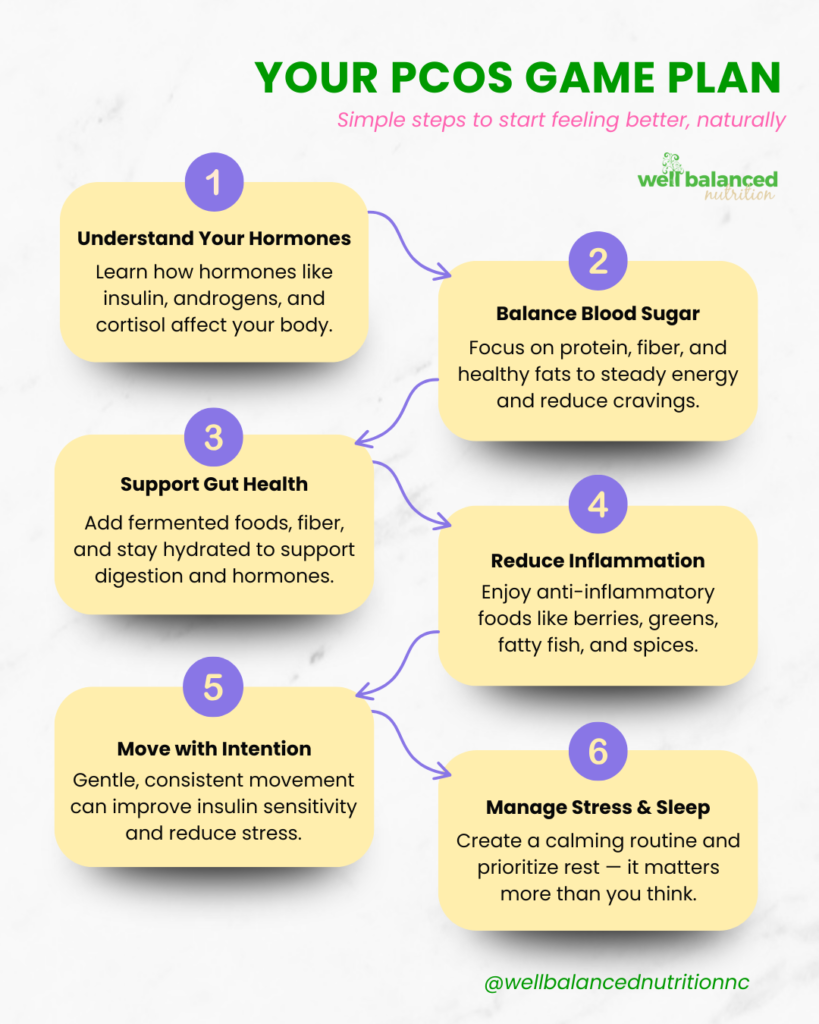
Polycystic Ovarian Syndrome (PCOS) is a common but complex hormonal condition that affects women of reproductive age. It often shows up as irregular periods, weight struggles (especially around the middle), acne, or fertility challenges—but symptoms can vary widely.
With PCOS, your body has a harder time managing blood sugar, which can lead to increased belly fat, higher cholesterol, and a greater risk of type 2 diabetes and heart disease. PCOS doesn’t just affect physical health—it can also impact mental well-being, with higher rates of anxiety, depression, and disordered eating. Sleep issues and other conditions, like fatty liver disease or endometrial cancer, are also more common.
In this blog, we will share:
The Role of Insulin Resistance
The Best Diet for Managing PCOS
How to Build a PCOS-Friendly Plate
What Foods Make Your Symptoms Worse
Lifestyle Strategies for Managing PCOS
Movement Increases Insulin Sensitivity
Sleep and PCOS Symptoms
Stress and PCOS Symptoms
The Role of Insulin Resistance
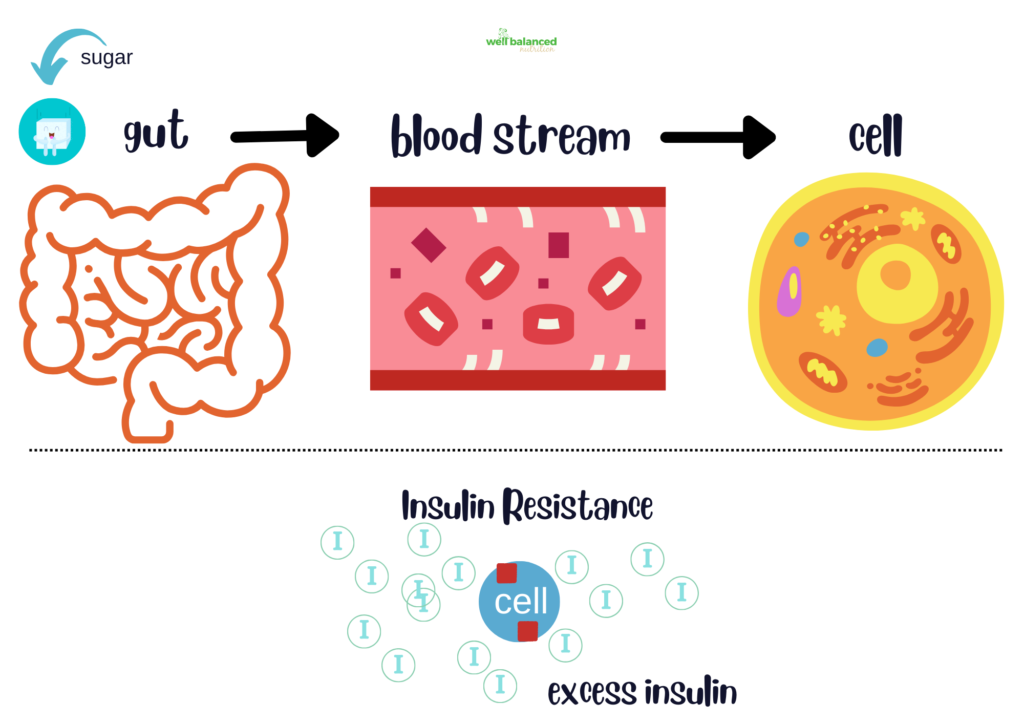
One of the major drivers of PCOS symptoms is insulin resistance. Insulin is a hormone made by your pancreas that acts like a key, helping sugar (glucose) move from your bloodstream into your body’s cells where it can be used for energy. After you eat—especially foods with carbohydrates—your blood sugar rises, and insulin is released to help bring it back to a normal level. But in people with insulin resistance, the cells don’t respond properly to insulin’s signal. This forces the body to produce more and more insulin to get the job done.
Why is this so important when it comes to PCOS? High insulin levels can signal the ovaries to make more androgens (like testosterone), which can disrupt your menstrual cycle, make it harder to ovulate, and cause symptoms like acne, excess hair growth, and difficulty losing weight. Over time, it may also raise your risk for type 2 diabetes.
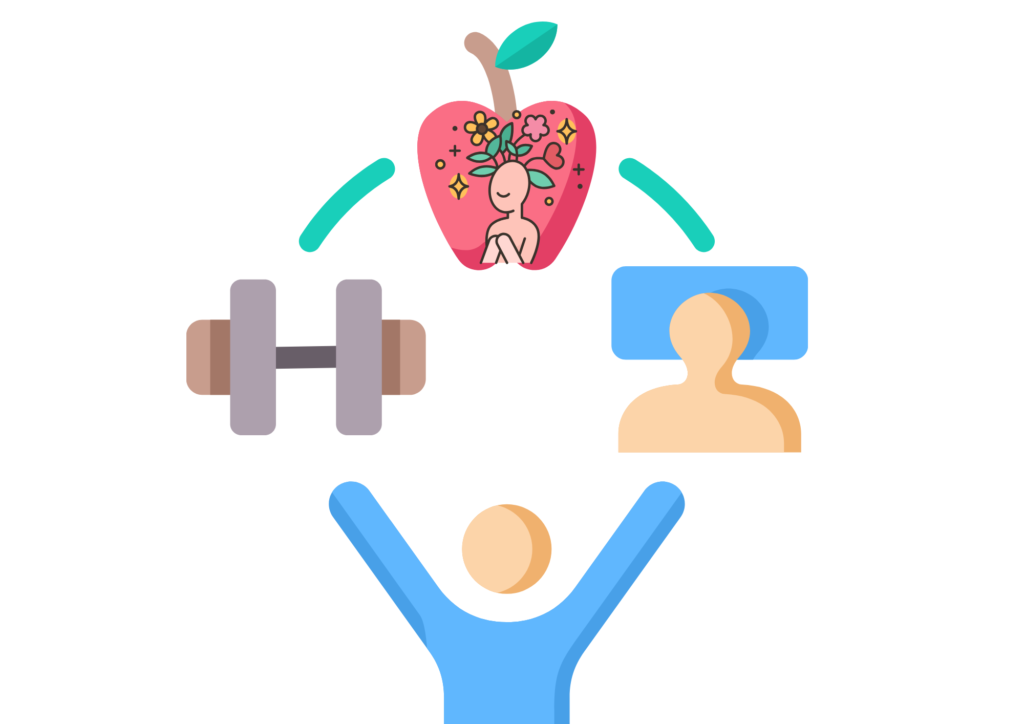
The good news is that insulin resistance can improve with targeted lifestyle changes. That’s where the Well Balanced method comes in—focusing on balanced meals (with protein, healthy fat, fiber, and colorful plants), joyful movement, sleep, and stress support. These simple steps can help your body respond better to insulin, reduce symptoms, and support hormone balance from the inside out. Let’s go over each one.
The Best Diet For Managing PCOS
A balanced, anti-inflammatory eating pattern—like the Well Balanced approach —remains one of the best strategies for managing PCOS. This eating style supports stable blood sugar, reduces insulin resistance, and promotes hormone balance.
Build a PCOS-Friendly Plate:
To follow a balanced, anti-inflammatory meal plan, think of each meal including the following:
½ plate of non-starchy vegetables, the more colors the better
¼ plate of whole grains, starchy veggies (like quinoa or sweet potatoes), or whole/fresh fruit
¼ plate of lean proteins (chicken, tofu, fish, beans)
+ healthy fats like avocado, olive oil, nuts, or seeds
Why it works? Using the Well Balanced plate to build a meal ensures you are getting the right proportions of macronutrients to fight cravings, support gut health, limit blood sugar spikes, and fight inflammation.
Focus on Foods That Fight Inflammation
Certain foods can help calm inflammation in the body and support hormone balance and metabolic health. Try to include:
Berries, leafy greens, broccoli, and bell peppers – these are rich in antioxidants and phytochemicals
Fatty fish like salmon, sardines, and mackerel – high in omega-3 fatty acids
Nuts and seeds like walnuts, flaxseeds, and chia seeds – healthy fats and antioxidants
Fermented foods like yogurt, kefir, sauerkraut, and kimchi – support gut health and as result can reduce inflammation throughout the body
Herbs and spices such as turmeric, ginger, and cinnamon have been shown to block inflammatory pathways and reduce the production of pro-inflammatory chemicals in the body.
What not to eat with PCOS
While we believe that restricting or eliminating food is not ideal, it’s hard to deny that reducing added sugars and ultra-processed foods can help you manage your PCOS. In the Well Balanced approach, we encourage you to be selective with your favorite sweet treats rather than avoid them altogether. Enjoying fun treats on occasion, without guilt or strict rules, and finding tasty, healthier alternatives will keep you from feeling deprived.
How refined sugars can make PCOS symptoms worse.
Understanding how foods high in refined sugars can make you feel worse, like triggering cravings, energy crashes, or mood swings, can help you make more informed and intentional choices.
Let’s say you enjoy a sweet treat, like a donut or soda. Here’s what happens in your body:
It quickly breaks down into glucose (sugar), which floods your bloodstream and causes a sharp spike in blood sugar.
In response, your pancreas releases insulin, which helps move glucose into your cells for energy.
But with insulin resistance, your cells don’t respond well to insulin’s signal. So the sugar stays in your blood, and your body produces even more insulin to try to fix the problem.
Since the glucose isn’t used efficiently, your body stores the excess as fat, often around your midsection. This can make insulin resistance worse.
On top of that, too much insulin can trigger higher androgen (male hormone) levels, which may lead to more acne, irregular periods, and stubborn weight gain.
If you want a personalized and more detailed nutrition plan based on your health, lifestyle, and goals, connect with our team at Well Balanced Nutrition to get started on a plan that truly works for you.
Lifestyle Strategies for Managing PCOS
Food is not the only thing that can affect insulin resistance, inflammation, and trigger more unwanted symptoms. Lifestyle behaviors and habits like movement, sleep, and stress management are also impactful tools to manage your PCOS symptoms.
Move More: Exercise Helps Your Cells Listen to Insulin
When you move your body, your muscles use glucose for energy, which helps lower blood sugar levels. Even more importantly, exercise makes your cells more sensitive to insulin, so your body doesn’t have to work as hard to keep blood sugar in check.
Here’s how movement helps:
Aerobic exercise (like walking, cycling, or swimming) improves how your body uses insulin during and after movement.
Strength training (like lifting weights or bodyweight exercises) builds muscle, and the more muscle, the better your body can store and use glucose efficiently.
Consistency matters more than intensity. You don’t need to go all-out every day—a brisk walk or dance session counts!
Prioritize Sleep: A Secret Weapon for Hormone Balance
Sleep isn’t just about rest—it plays a direct role in blood sugar regulation and hormone production. Poor or irregular sleep can increase insulin resistance, making PCOS symptoms worse.
Here’s what happens with poor sleep:
Your body becomes less sensitive to insulin, leading to higher blood sugar and insulin levels.
Appetite-regulating hormones (like leptin and ghrelin) get thrown off, increasing cravings, especially for sugary or high-carb foods.
Inflammation increases, which may worsen symptoms like acne and fatigue.
Tips for better sleep:
Aim for 7–9 hours of quality sleep each night.
Stick to a consistent sleep schedule—even on weekends.
Wind down with calming activities like reading, stretching, or a warm shower.
Reduce screen time an hour before bed to protect melatonin production.
Manage Stress: Cortisol and Insulin Resistance
Chronic stress raises levels of cortisol, your body’s main stress hormone. While cortisol is helpful in short bursts, prolonged stress keeps it elevated, and that’s a problem for insulin resistance.
When cortisol stays high:
It signals your liver to release more glucose into the bloodstream (a survival mechanism).
It makes your cells more resistant to insulin.
It encourages fat storage, especially around the midsection, which is linked to worse insulin resistance.
Stress reduction strategies we love:
Deep breathing or meditation—even just 5 minutes a day
Walking in nature or relaxing outside
Creative outlets like journaling, music, or art
Talking with a friend, coach, or therapist
Final Thoughts
There’s no quick fix for PCOS, but by making sustainable changes to how you eat, move, rest, and care for yourself, you can feel better in your body and mind. If you’d like a supportive partner to guide you through it all, our team at Well Balanced Nutrition is here to help. BOOK A FREE CLARITY CALL TO GET STARTED.
When it comes to maintaining overall well-being, your heart is the engine that keeps you going, and deserves special attention! If you want to keep your cholesterol in check, you’ll be happy to learn that managing cholesterol doesn’t mean giving up everything you love. Here are some tips for lowering cholesterol naturally:
1. Fiber for cholesterol reduction: Think of fiber as your heart’s best friend!
Soluble fiber, found in foods like oats, beans, lentils, apples, and citrus fruits, helps reduce LDL (or “bad” cholesterol) by binding to it and flushing it out of your system. Aim to include more fiber-rich foods in your meals and snacks – your heart will thank you!
2. Learn the best fats for heart health: Say yes to healthy fats.
Not all fats are created equal! Swap out saturated fats (found in red meat, fried foods, and butter) for heart-healthy unsaturated fats. Think avocados, olive oil, nuts, seeds, and fatty fish like salmon or mackerel. These power-packed fats can help boost your HDL (“good” cholesterol) and keep your LDL in check. My favorite way to add these in is to sprinkle some chopped walnuts and ground flaxseed on top of oatmeal in the morning!
3. Embrace a cholesterol-lowering plant-based diet: Plant power for the win!
Plant-based foods are a game changer when it comes to lowering cholesterol. Incorporate more fruits, veggies, whole grains, and legumes into your meals. Bonus points for adding cholesterol-lowering superheroes like soy products, almonds, and flaxseeds!
4. Exercise to reduce cholesterol: Move Your Body in Ways that Feel Good.
Regular exercise strengthens your heart and improves circulation. Regular physical activity can raise your HDL and lower LDL. . The American Heart Association recommends at least 150 minutes of moderate-intensity aerobic activity per week, but any movement is helpful and better than none. Find activities you enjoy, whether it’s walking or hiking, dancing, or swimming, and gradually introduce them to make them part of your routine.
5. Avoid these foods for high cholesterol: Keep trans fats off your plate!
Trans fats, often found in processed and fried foods, can increase LDL but also lower HDL—a double whammy! Check ingredient lists for “partially hydrogenated oils” and steer clear.
6. Add spice for heart health: Spice things up!
Spices like turmeric, garlic, and ginger are not only delicious but may also have heart-supporting benefits. Experiment with these flavorful additions in your cooking to make meals both tasty and nourishing. One of my favorite ways to include these spices is this Sheet Pan Chicken Tikka recipe.
7. Reduce added sugar and improve heart health: Try these smart swaps.
High added sugar intake is linked to increased LDL and lower HDL. Pay attention to the amounts of added sugars in your foods & drinks, these are frequently found in sugary beverages, snacks, and some more surprising sources in ultra-processed foods like salad dressings and breads. Swap sugary snacks and drinks for naturally sweet options like fresh fruit or herbal teas.
8. Lower your cholesterol by lowering your stress: Unwind a bit.
Chronic stress can impact your heart health via blood pressure, inflammation, and cholesterol levels. Find what helps you unwind—whether it’s yoga, meditation, spending time in nature, or laughing at your favorite sitcom—and make it a priority. Don’t hesitate to seek support from friends, family, or a professional when needed.
9. Boost your heart health by prioritizing sleep: Don’t skip good rest.
Quality sleep is a secret weapon in the fight against high cholesterol. Aim for 7-9 hours of shut-eye each night, and establish a consistent bedtime routine to give your body the rest it needs to repair and regulate itself.
10. Make It a Lifestyle, Not a Chore
Adopting habits to lower cholesterol naturally isn’t about perfection, but gradual changes can make a big difference over time. Start small—add an extra veggie to dinner, take a quick walk, or swap soda for water. Celebrate your wins and keep building on them!
Your heart works hard for you every day. Let’s work together to give it the care, love, and support it deserves! Your Well Balanced Nutrition dietitian can help with specific changes to target your individual heart health needs.
To provide the best experiences, we use technologies like cookies to store and/or access device information. Consenting to these technologies will allow us to process data such as browsing behavior or unique IDs on this site. Not consenting or withdrawing consent, may adversely affect certain features and functions.
Functional
Always active
The technical storage or access is strictly necessary for the legitimate purpose of enabling the use of a specific service explicitly requested by the subscriber or user, or for the sole purpose of carrying out the transmission of a communication over an electronic communications network.
Preferences
The technical storage or access is necessary for the legitimate purpose of storing preferences that are not requested by the subscriber or user.
Statistics
The technical storage or access that is used exclusively for statistical purposes.The technical storage or access that is used exclusively for anonymous statistical purposes. Without a subpoena, voluntary compliance on the part of your Internet Service Provider, or additional records from a third party, information stored or retrieved for this purpose alone cannot usually be used to identify you.
Marketing
The technical storage or access is required to create user profiles to send advertising, or to track the user on a website or across several websites for similar marketing purposes.